Excerpts from the journal while on
Assignments
Iran - The Sequel
This was my first taste of nomadic life.
I awoke long after the sunrise with an extra blanket on me. The nomad family had noticed, after I fell asleep, that my sleeping bag was inadequate against the mountain’s cold nights.
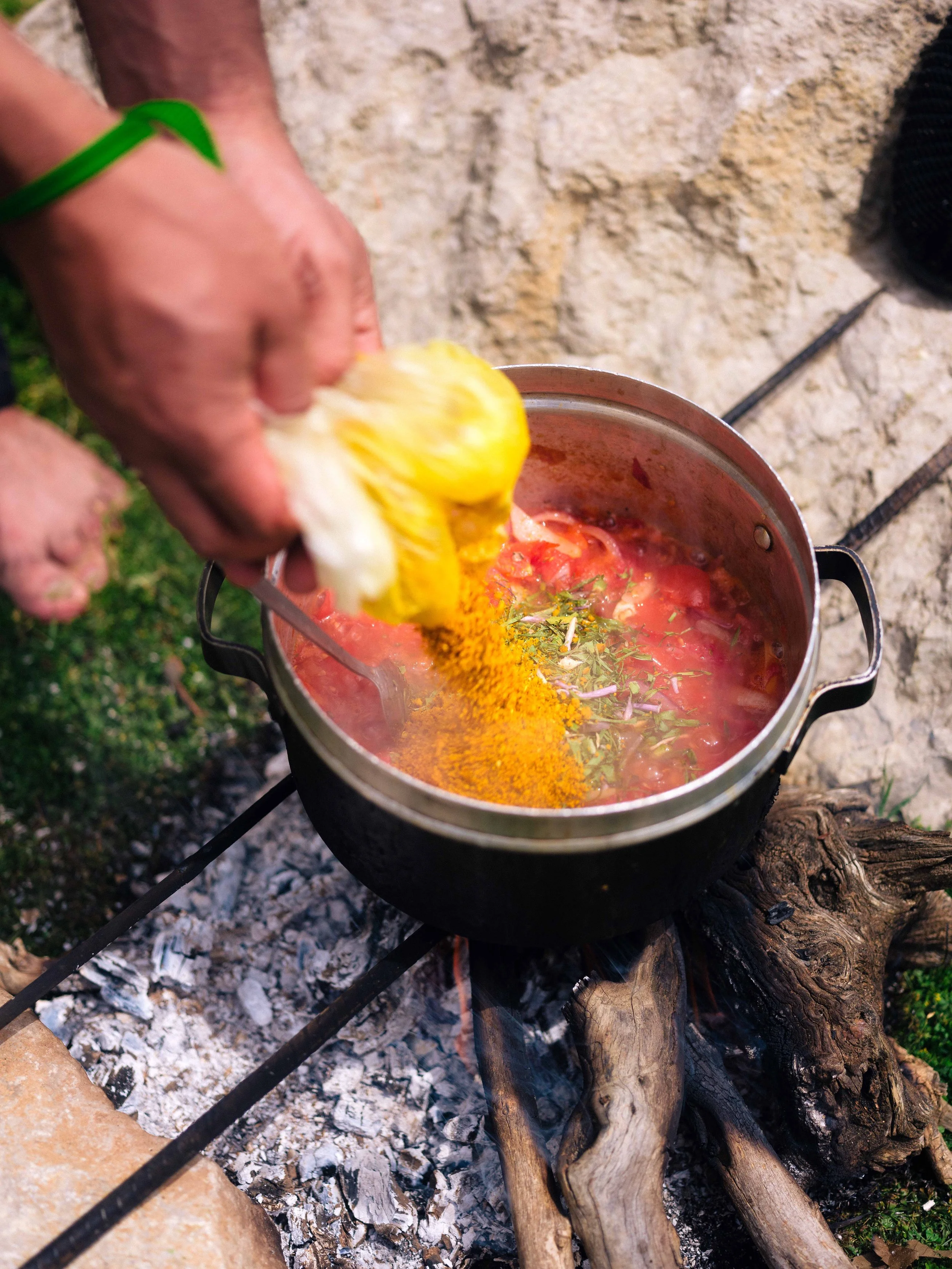
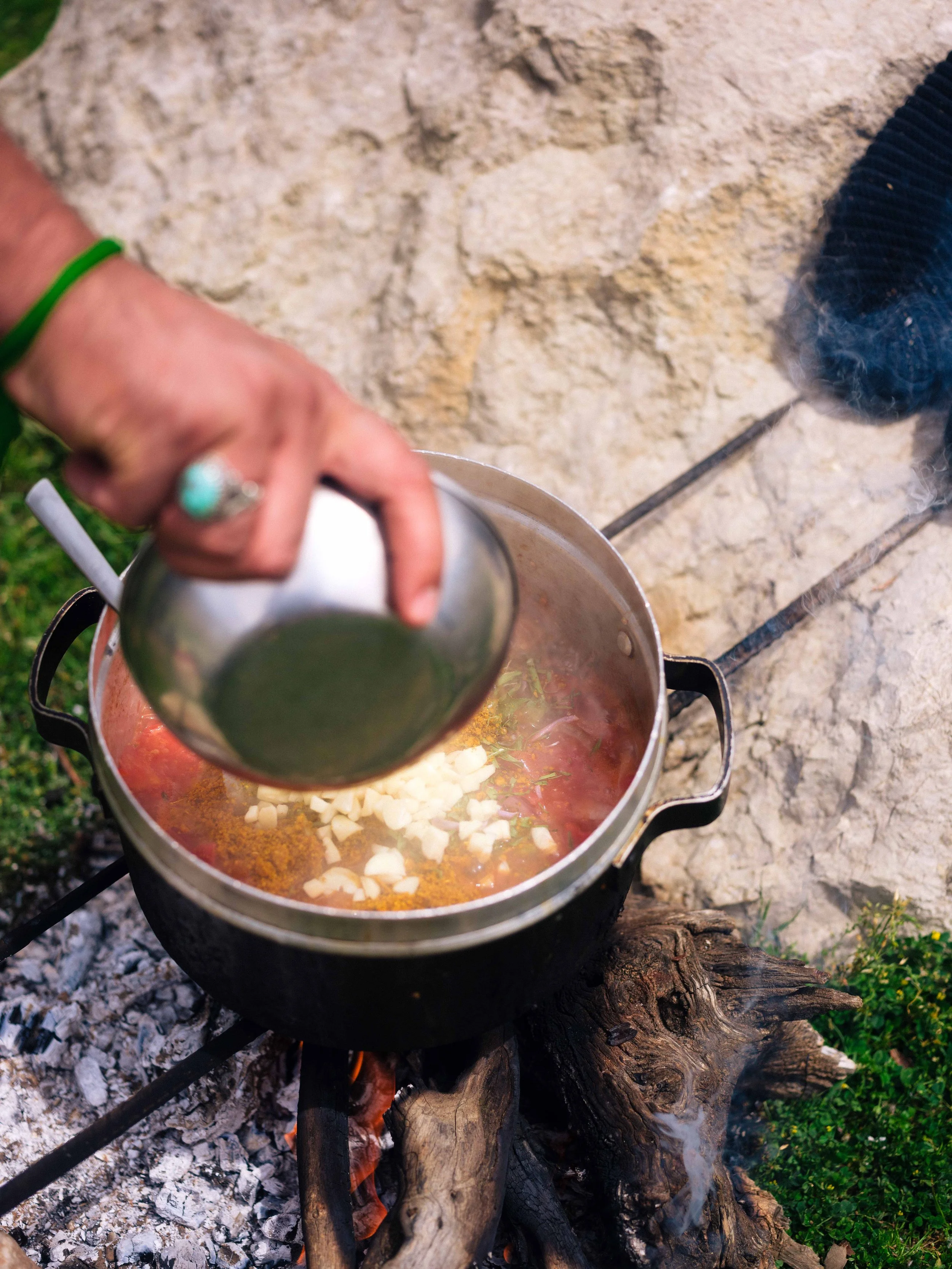
Looking around, only the mountain folk were awake - Mohammad, Sina, and the nomads - with 2 fires already established, breakfast being made, and the goats being herded in preparation.
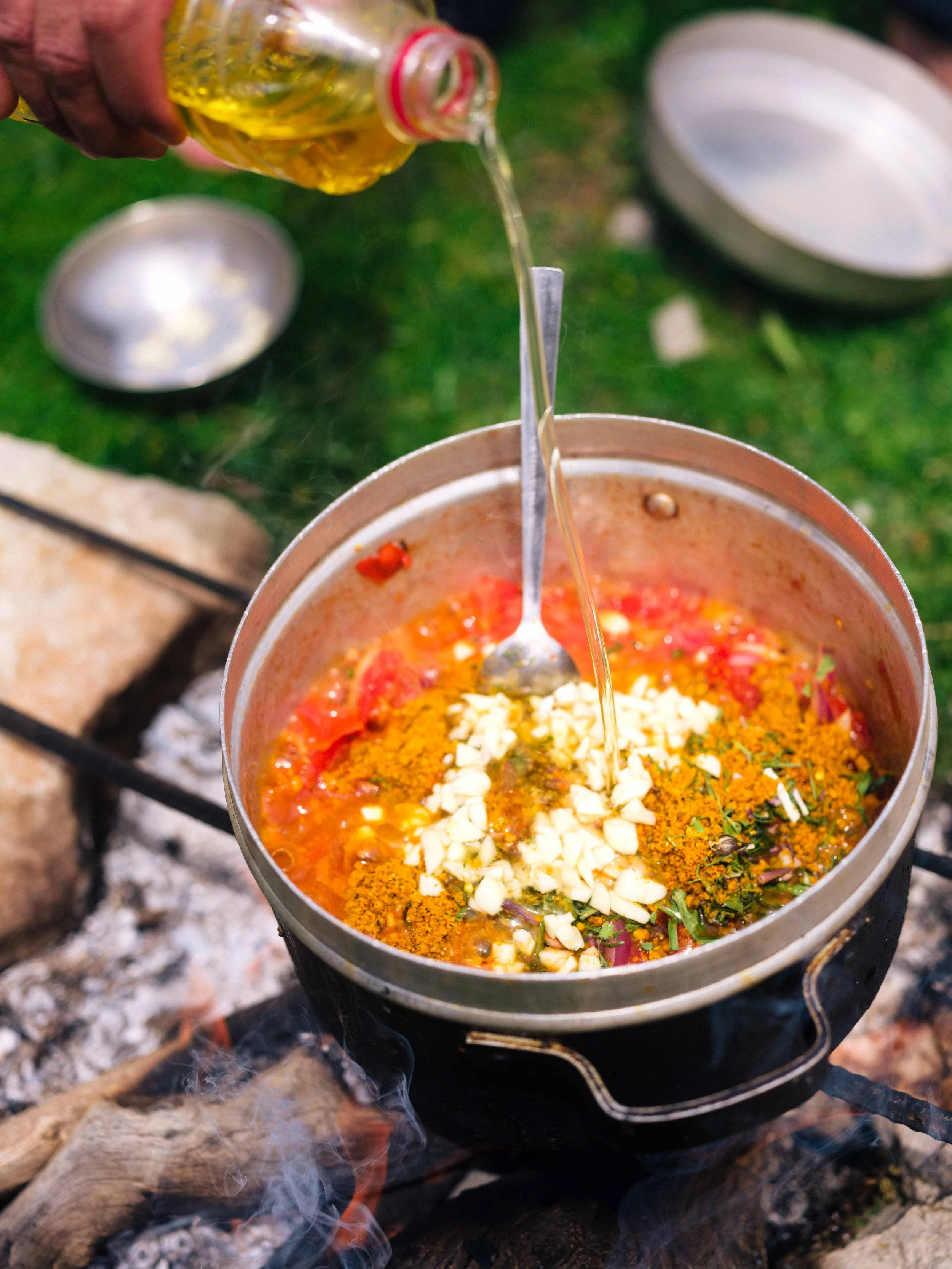
The valley hosts dozens of families through the winters, and with this season’s exceptionally fertile rains, the land was greener than ever, and many have delayed their departure in enjoyment. The children, too, were delighted with additional days in the school within the valley, just a few kilometers from our camp.
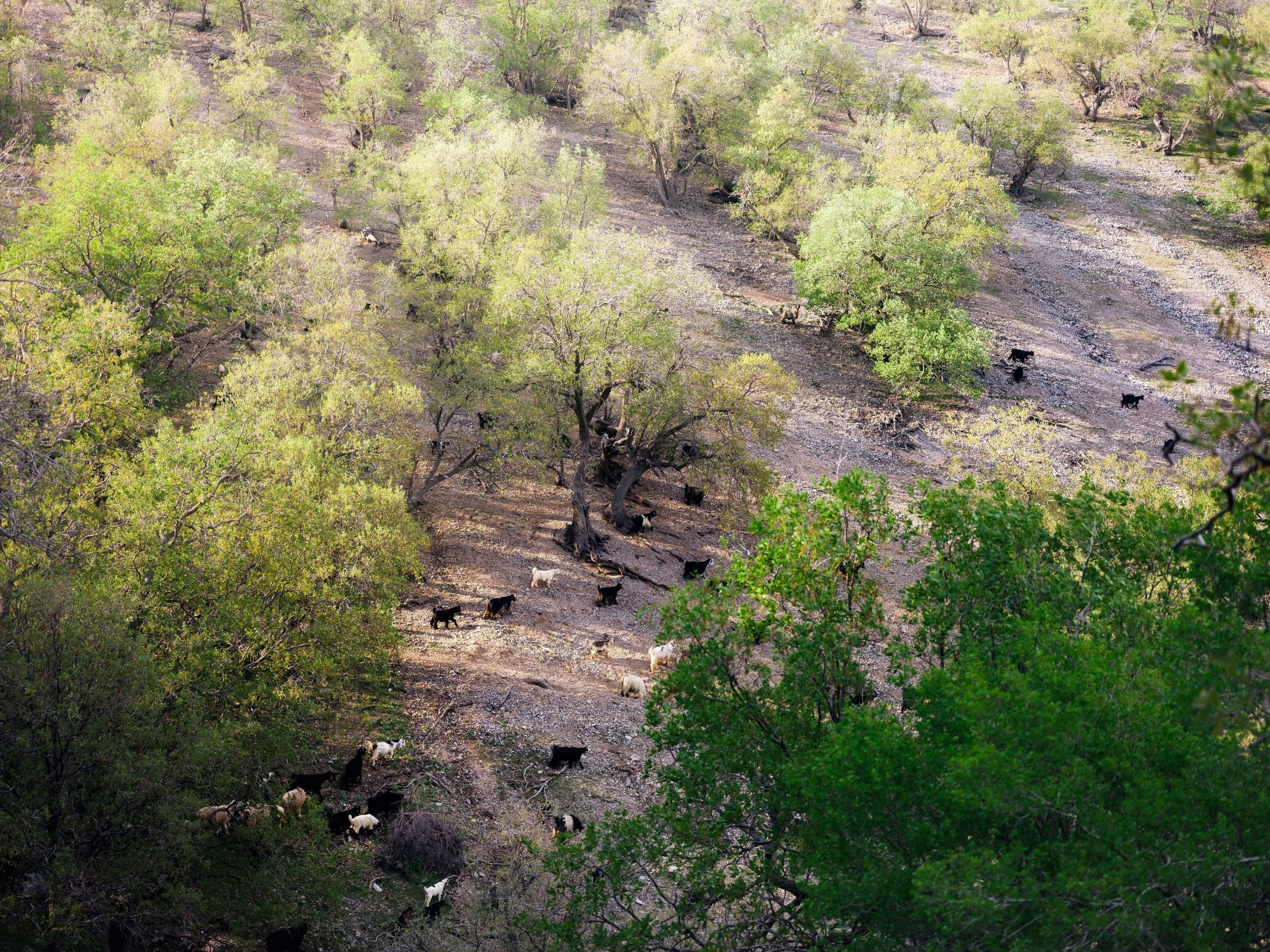
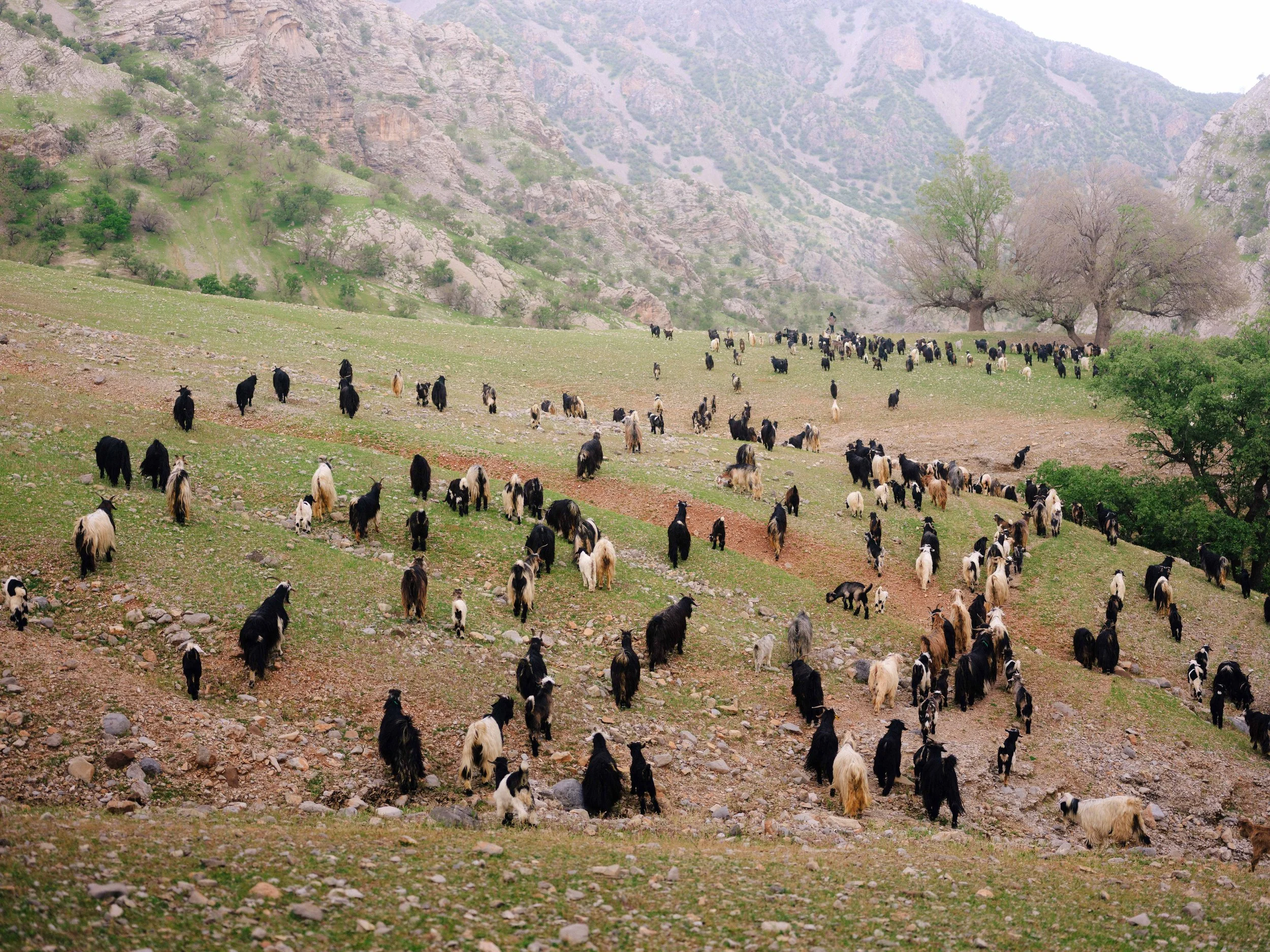
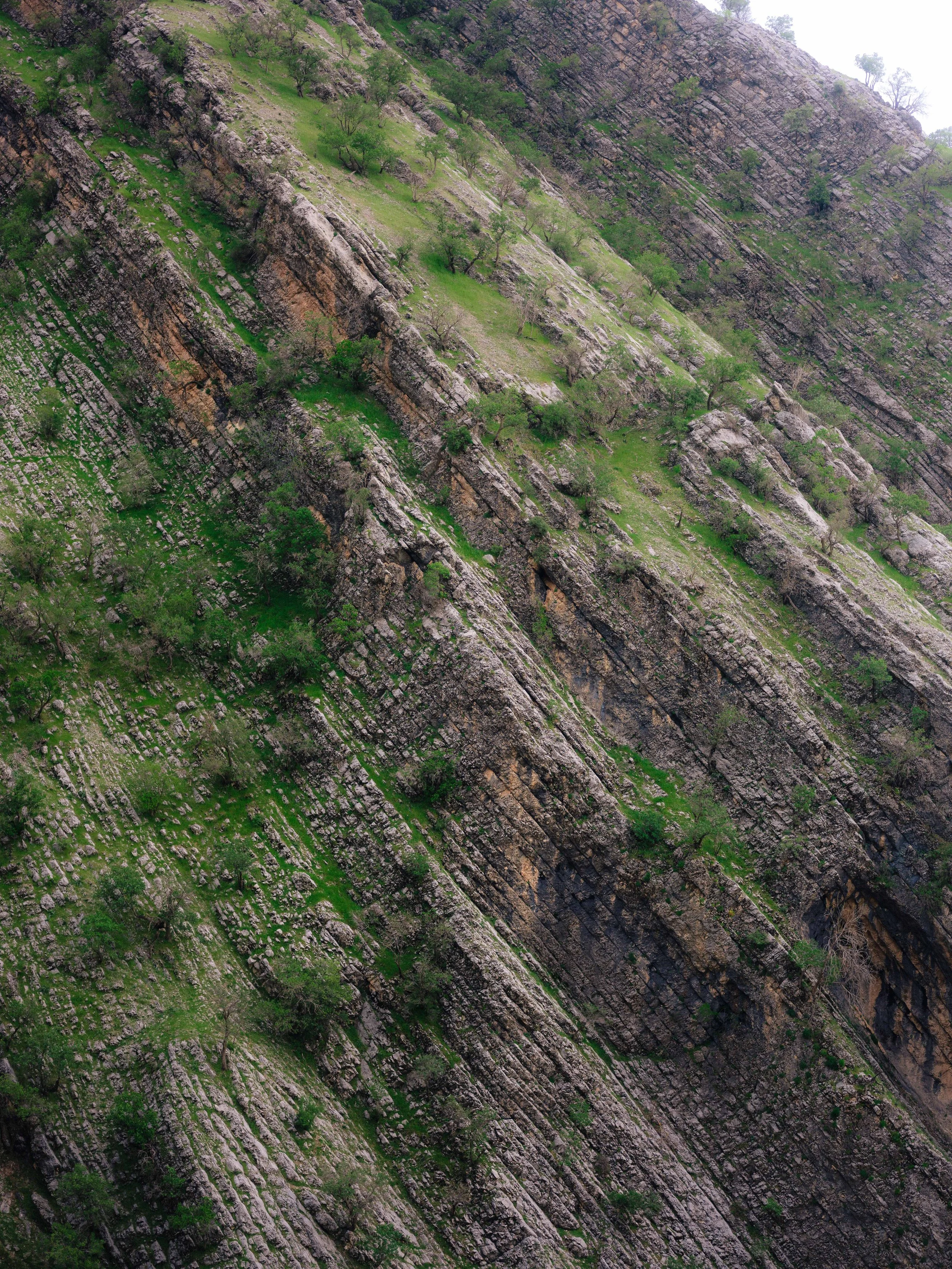
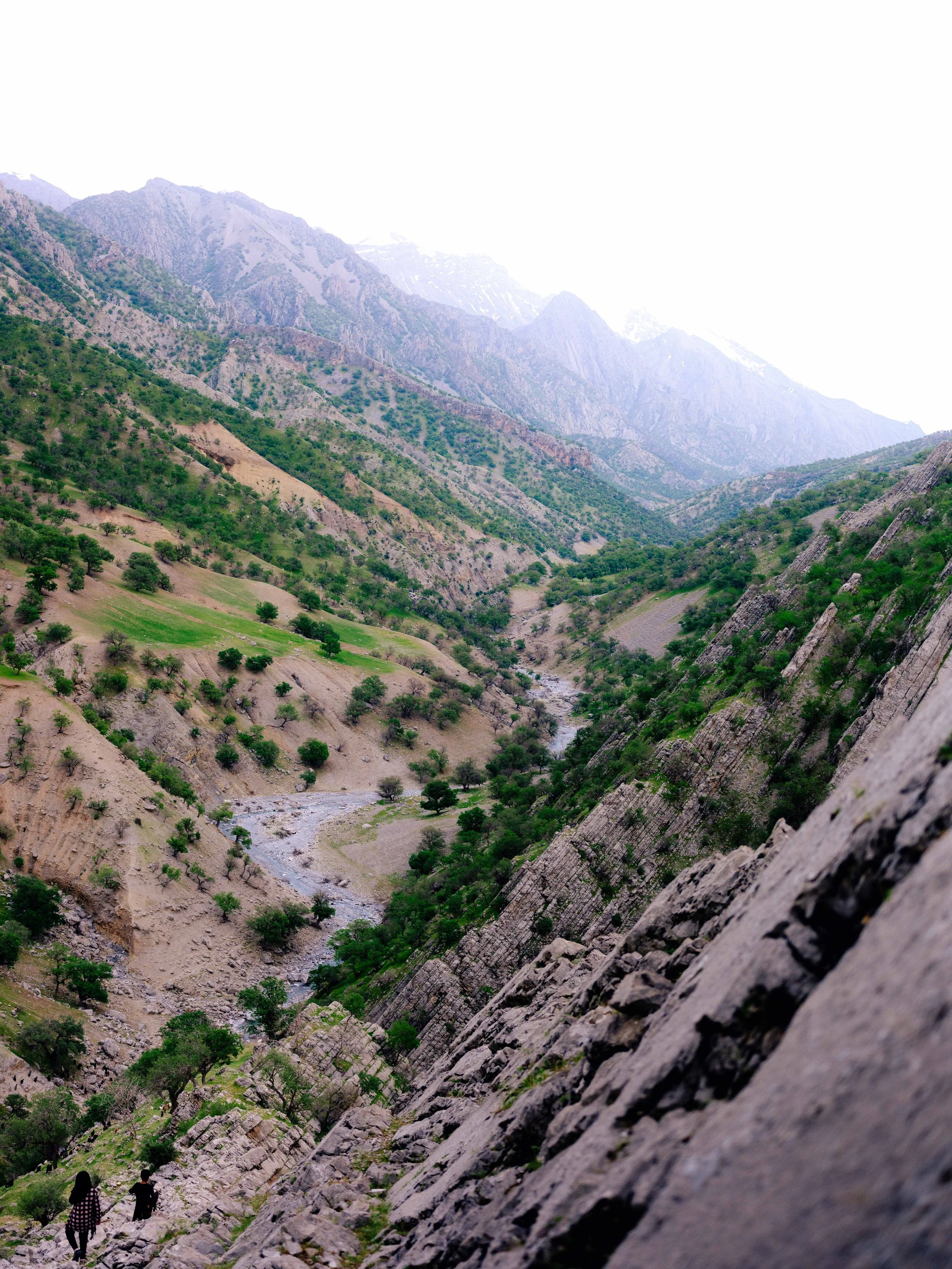
The Mokhtari family whom I travelled with, headed by Ramezan, was not the first, nor last, to begin their migration east.
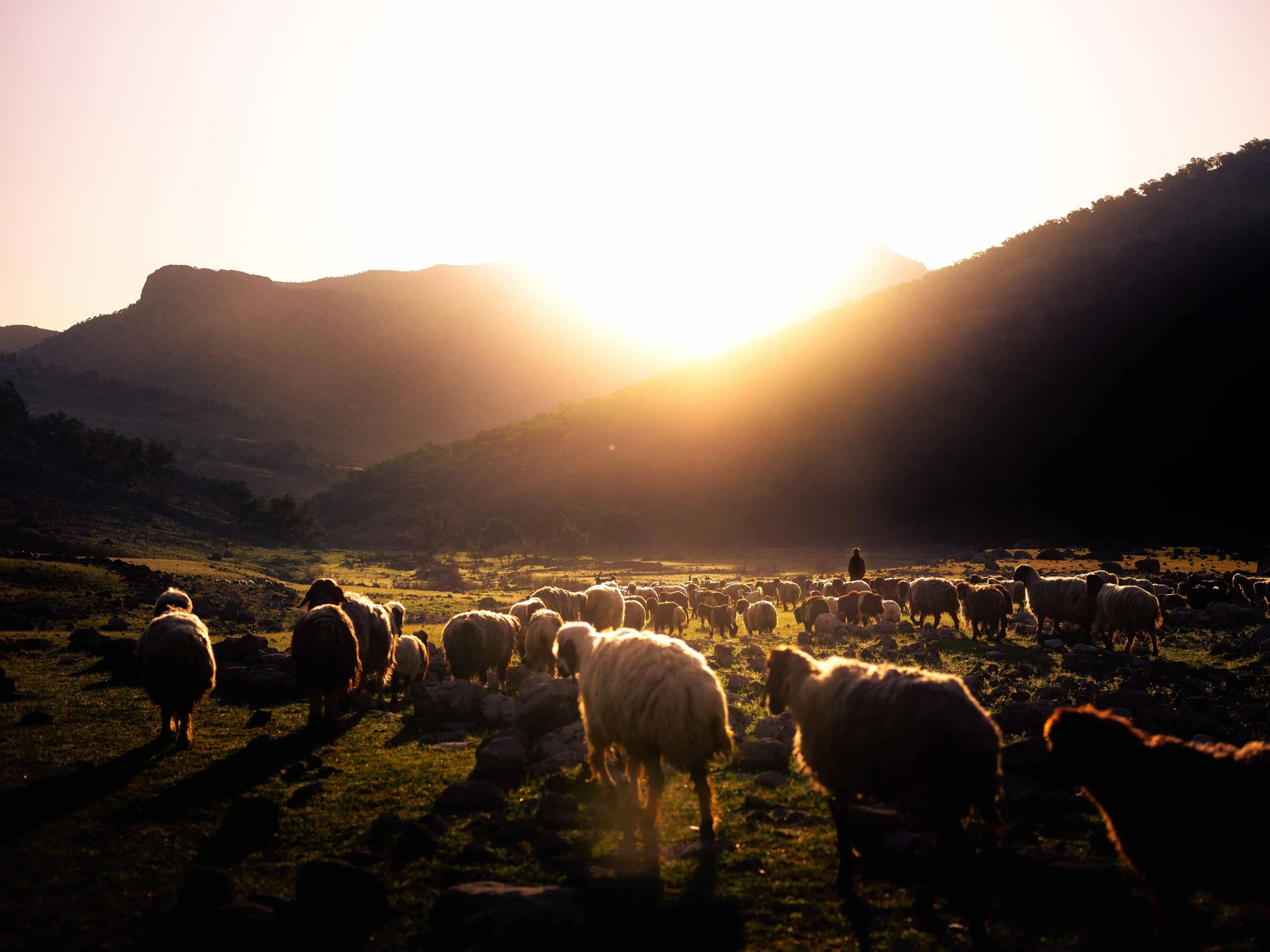
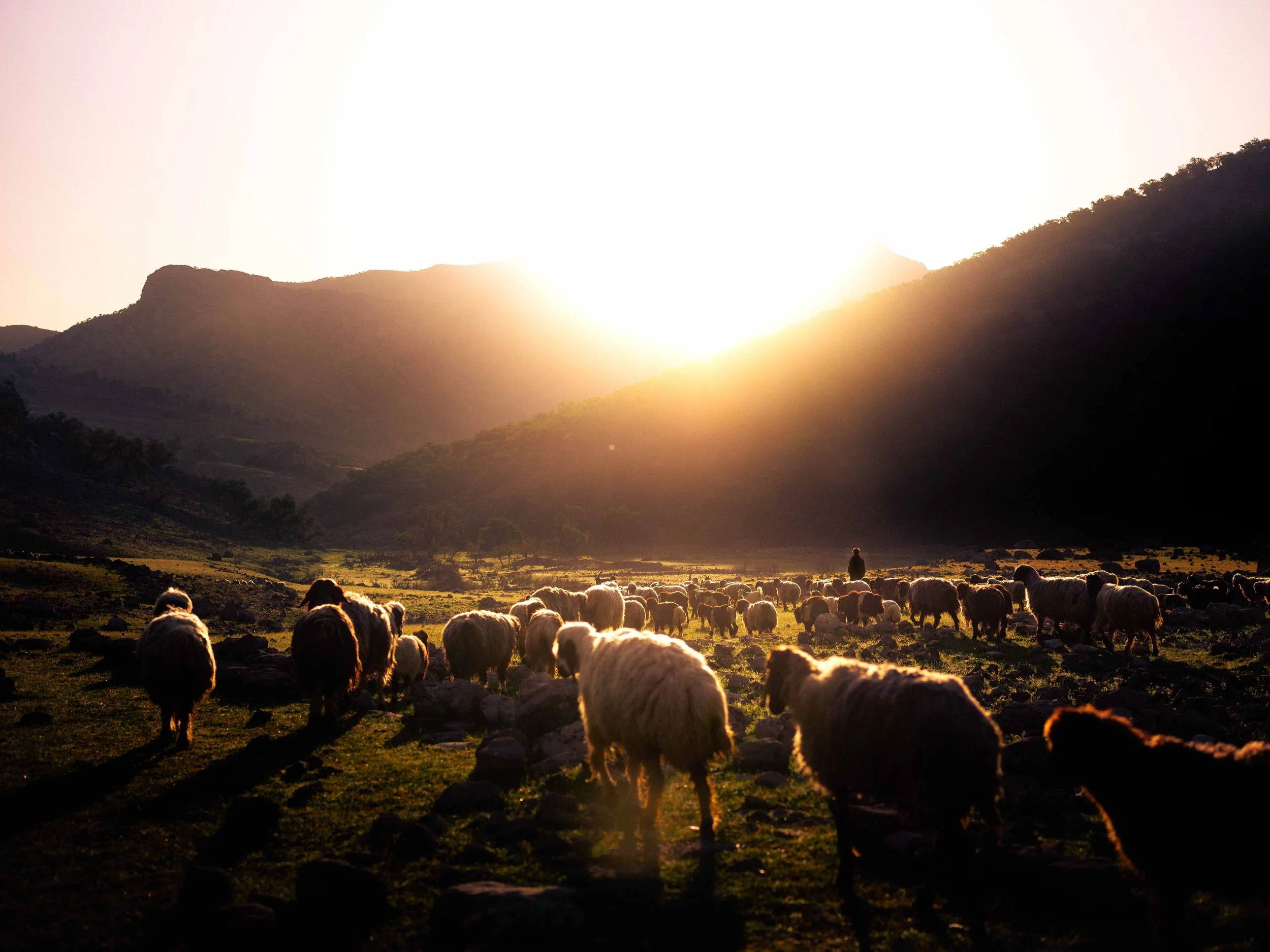
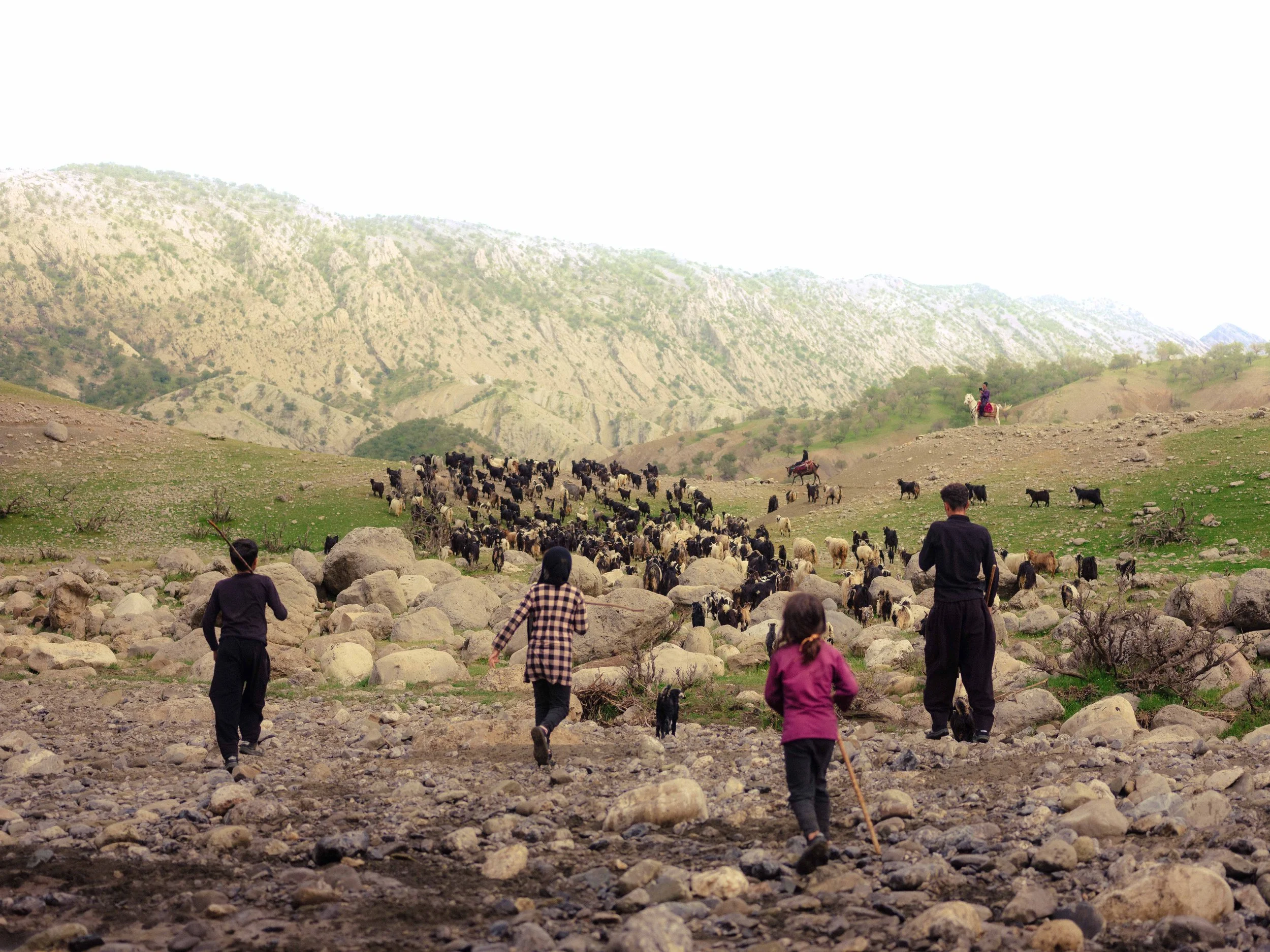
The photo at the top is of a different family starting their journey early. Despite embarking from the same valley and bound for the same summer lands, migration routes differ due to ownership rights to the grass on different paths.
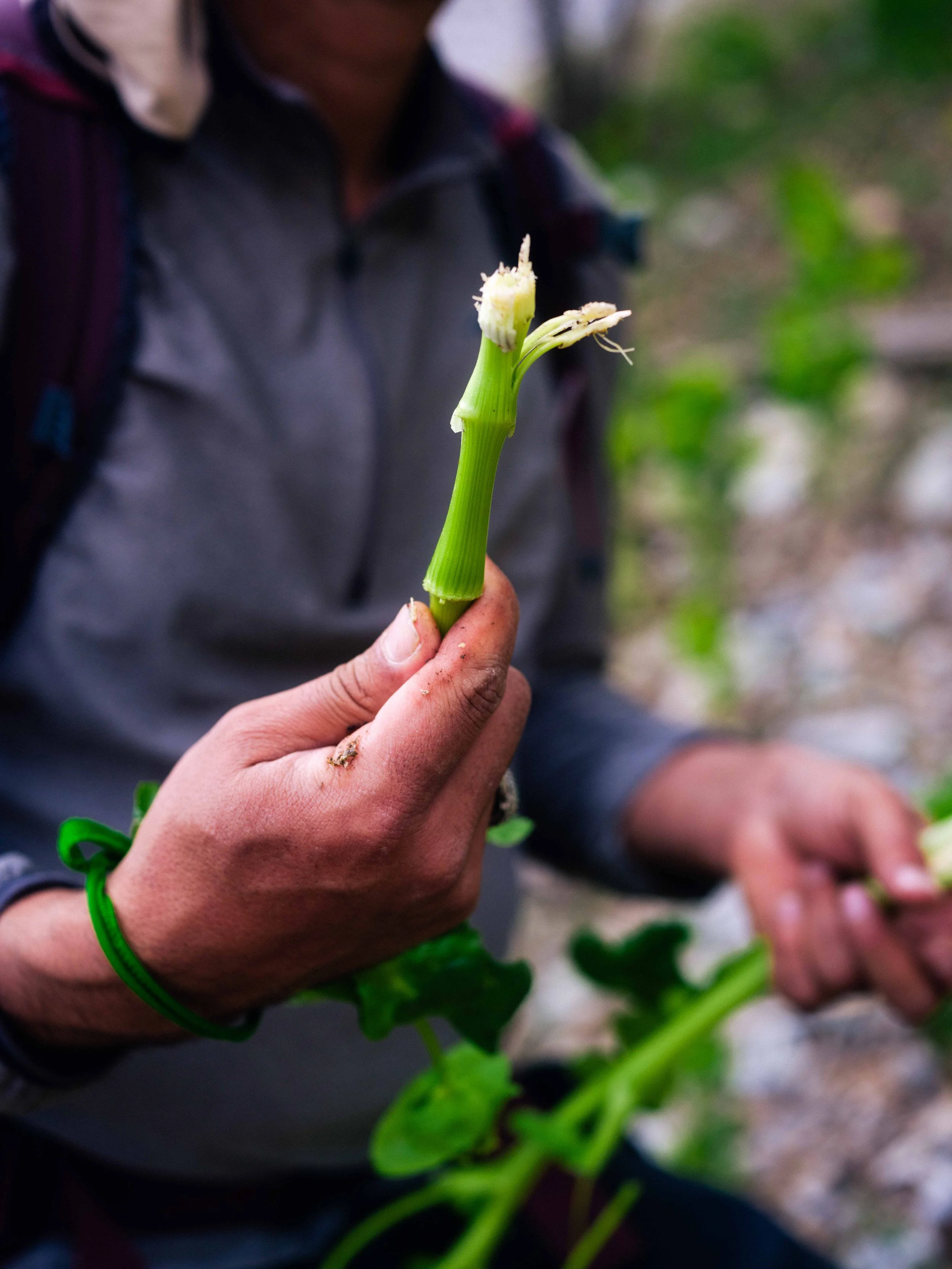
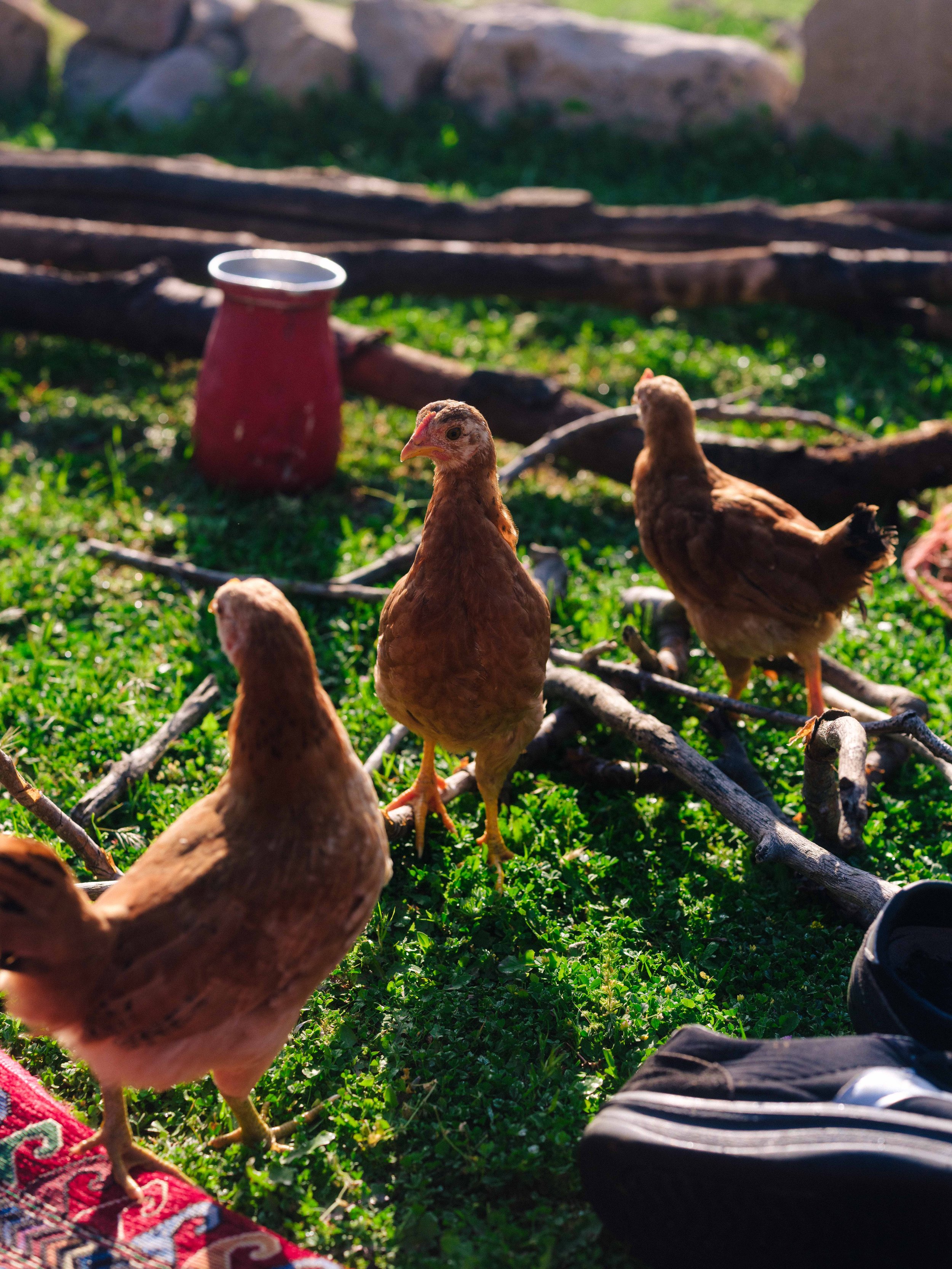
The goat herd is the responsibility of the sons - guiding, counting, and protecting. Being a demanding task on foot, they set off before the rest of the family, who travel with horses, donkeys, and the rest of the camp items. Most follow this tradition of splitting the entire family into two groups - the men and the sons with the goat herd, and the “Family group” consisting of women, children, horses, pack animals, and supplies.
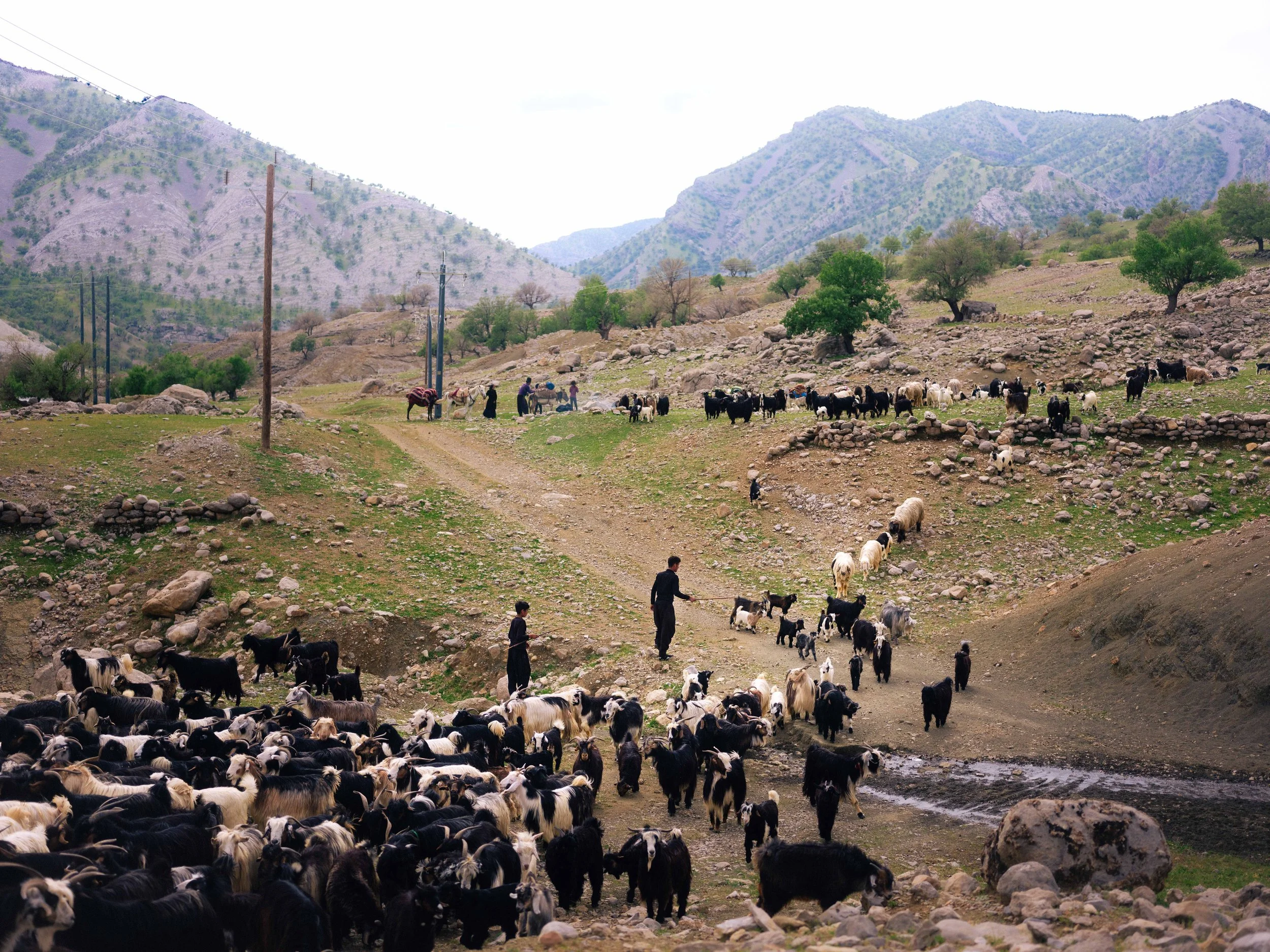
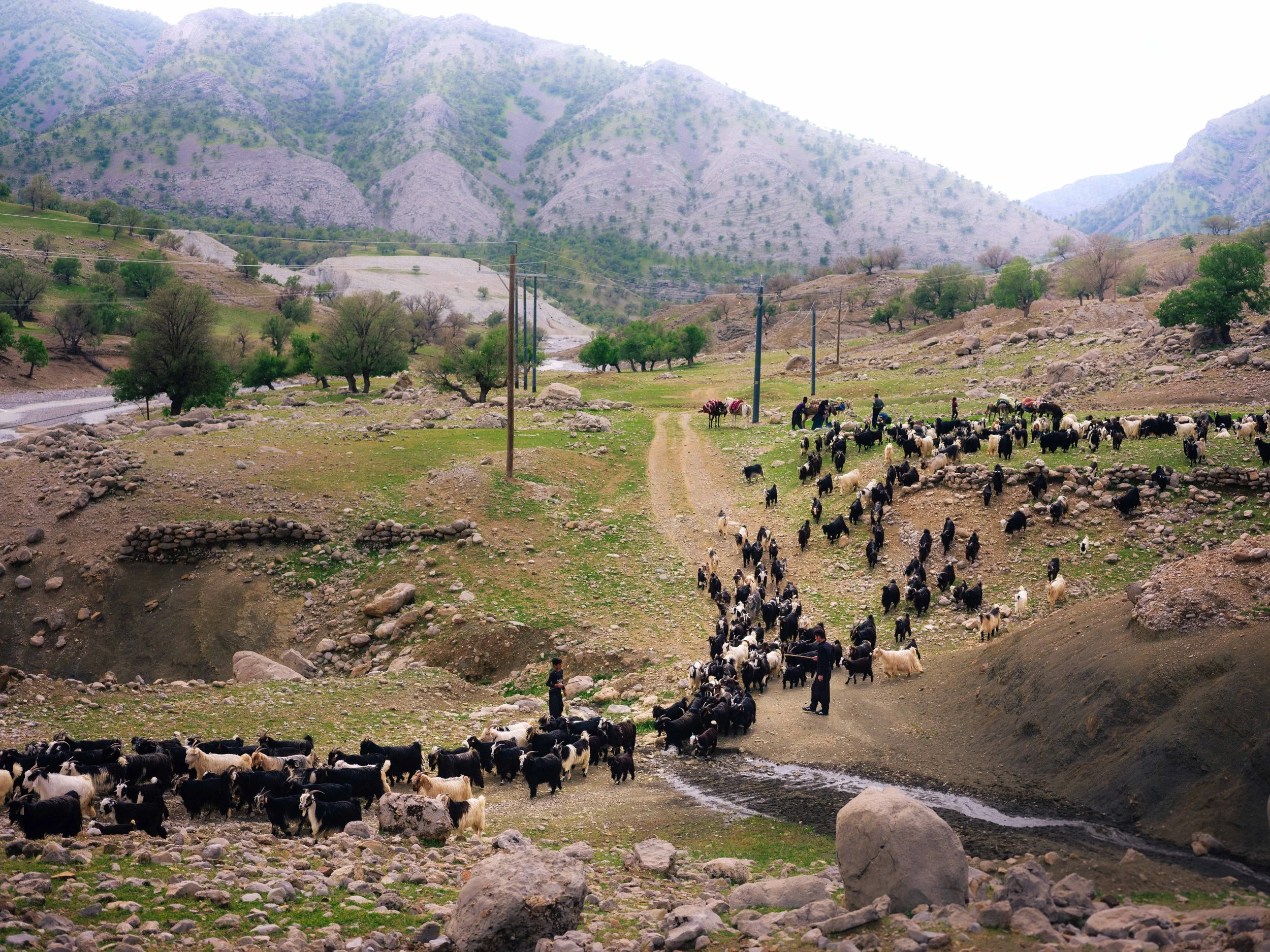
The sons were soon joined by their sisters as their father watched with pride.
While the Mokhtari family was setting off, Mohammad had spent much of the morning visiting other families in the valley, bringing them flashlights, power banks, sugar, and other necessities. It shouldn’t be surprising then that all the nomads knew him, or have heard of him from close relatives.
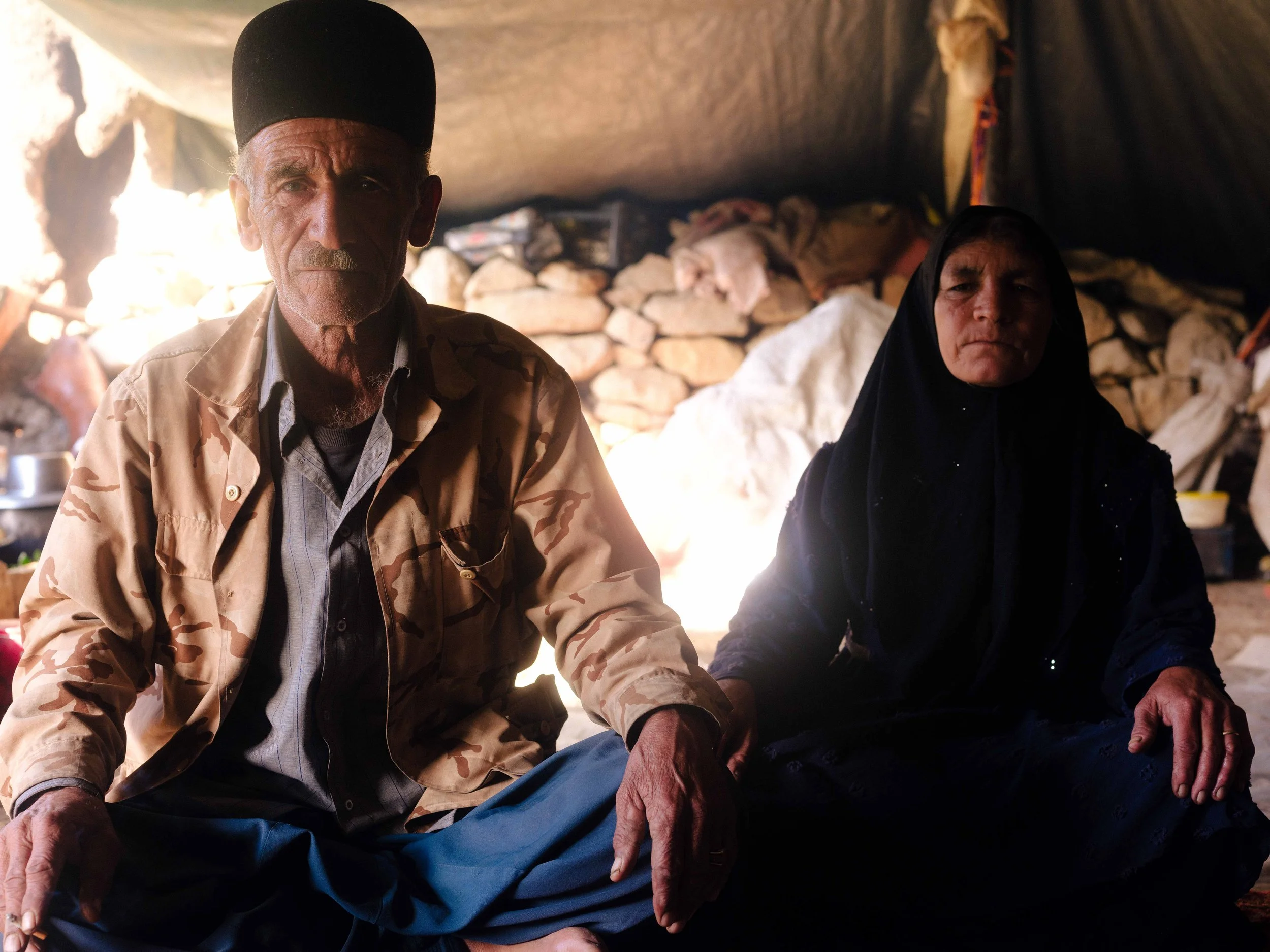
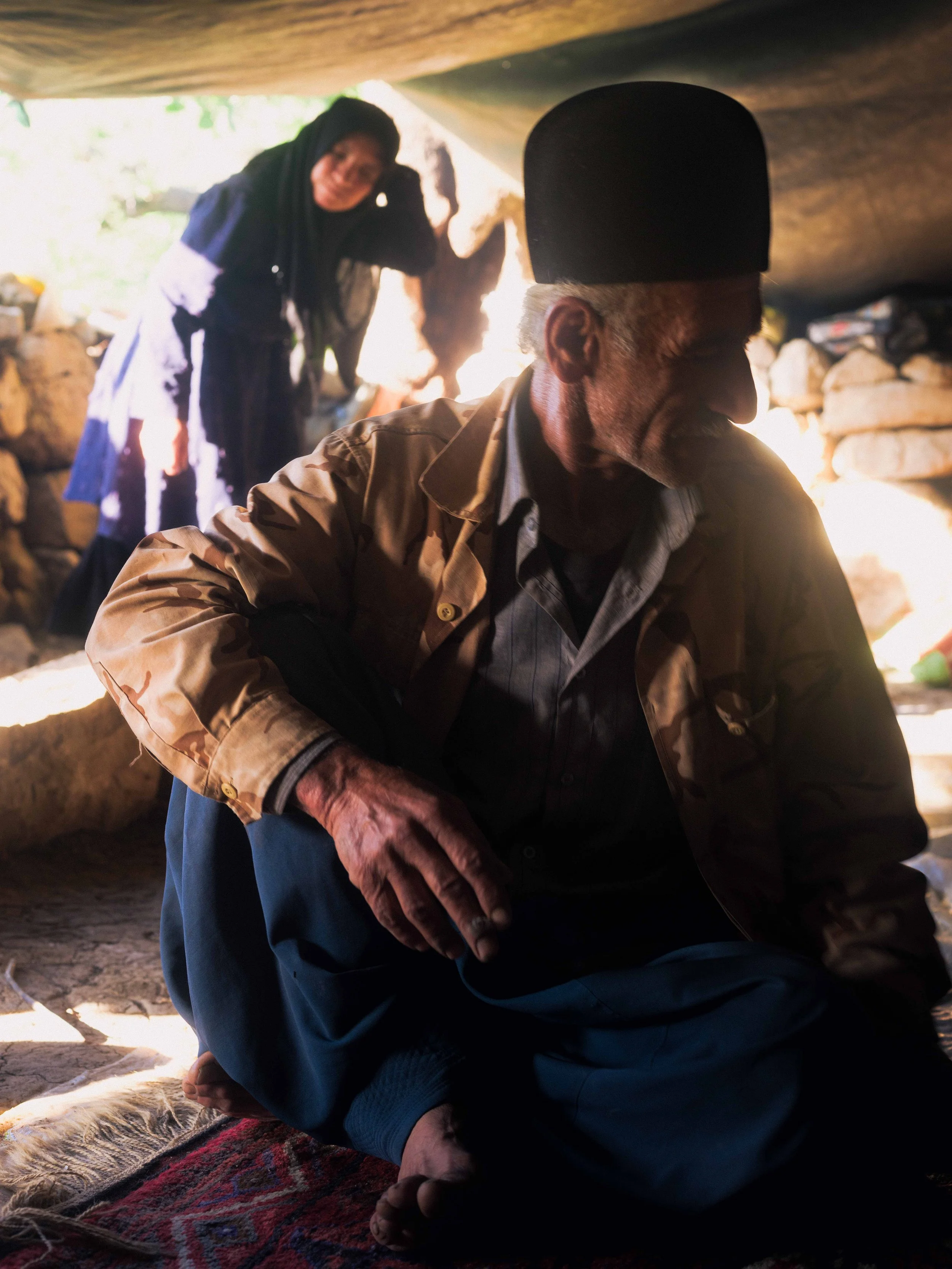
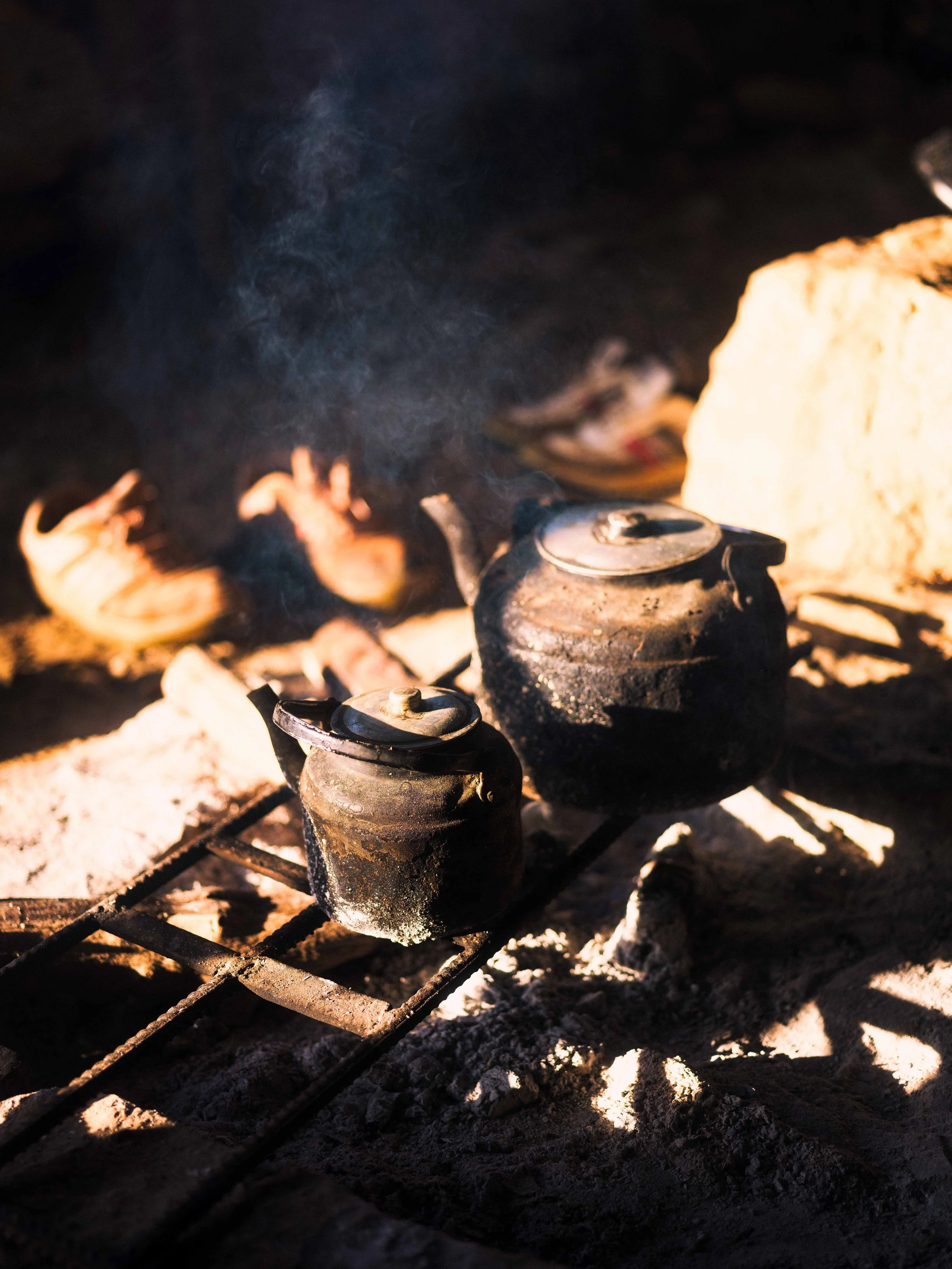
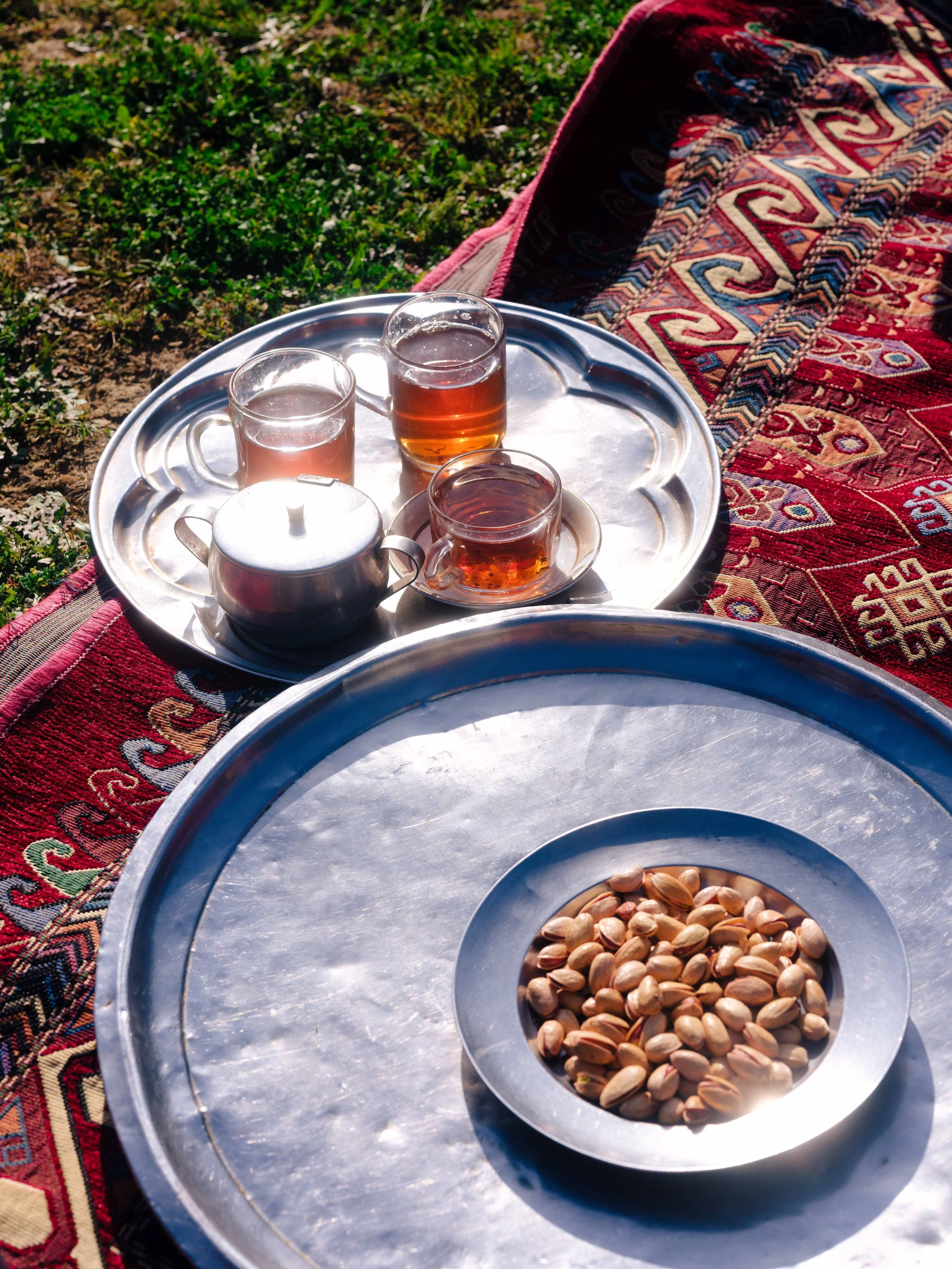
Many returned the kindness with tea and snacks. One nomad, famed for his singing of an old nomadic verse, prepared us tea before his performance.
Ashkan Mokhtari
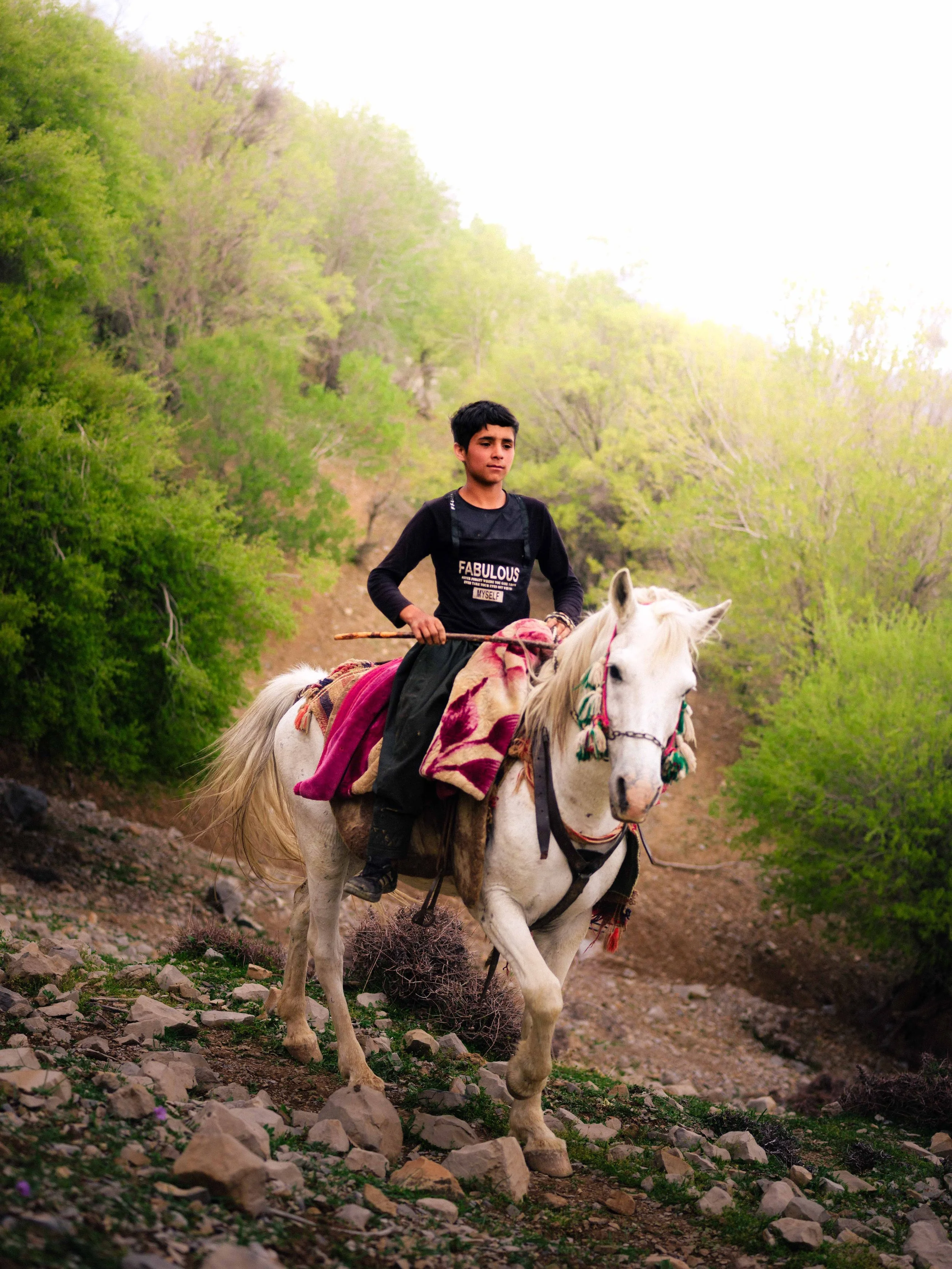
The youngest son of the Mokhtari family at age 14, Ashkan carries with him an inquisitiveness unmatched by his brothers.
On the late afternoon of my first day with the family, Ashkan approached me in shyness with a notebook in his hand. Every page from the notebook had 3 columns of text - the first held Farsi words, the second being the words in English, and the third being the pronunciation of the English words in Farsi.
Tentatively, he would point to an English word, pronounce it as best he could, and look to me for verification. We went through page after page, but even through his determination to improve, I could see his growing frustration. So I began learning with him - as he checked his English with me, I would learn the Farsi word from him until I, too, had pages of translations.
And thus language pop-quizes became an integral part of our joint migration; Askhan would point to a mountain, raising his eyebrows at me to issue the question. “Koo”, I would say, before raising my eyebrows the issue the question back at him. “Mountain!”, he would say cheerfully, before diligently returning to his herding duties.
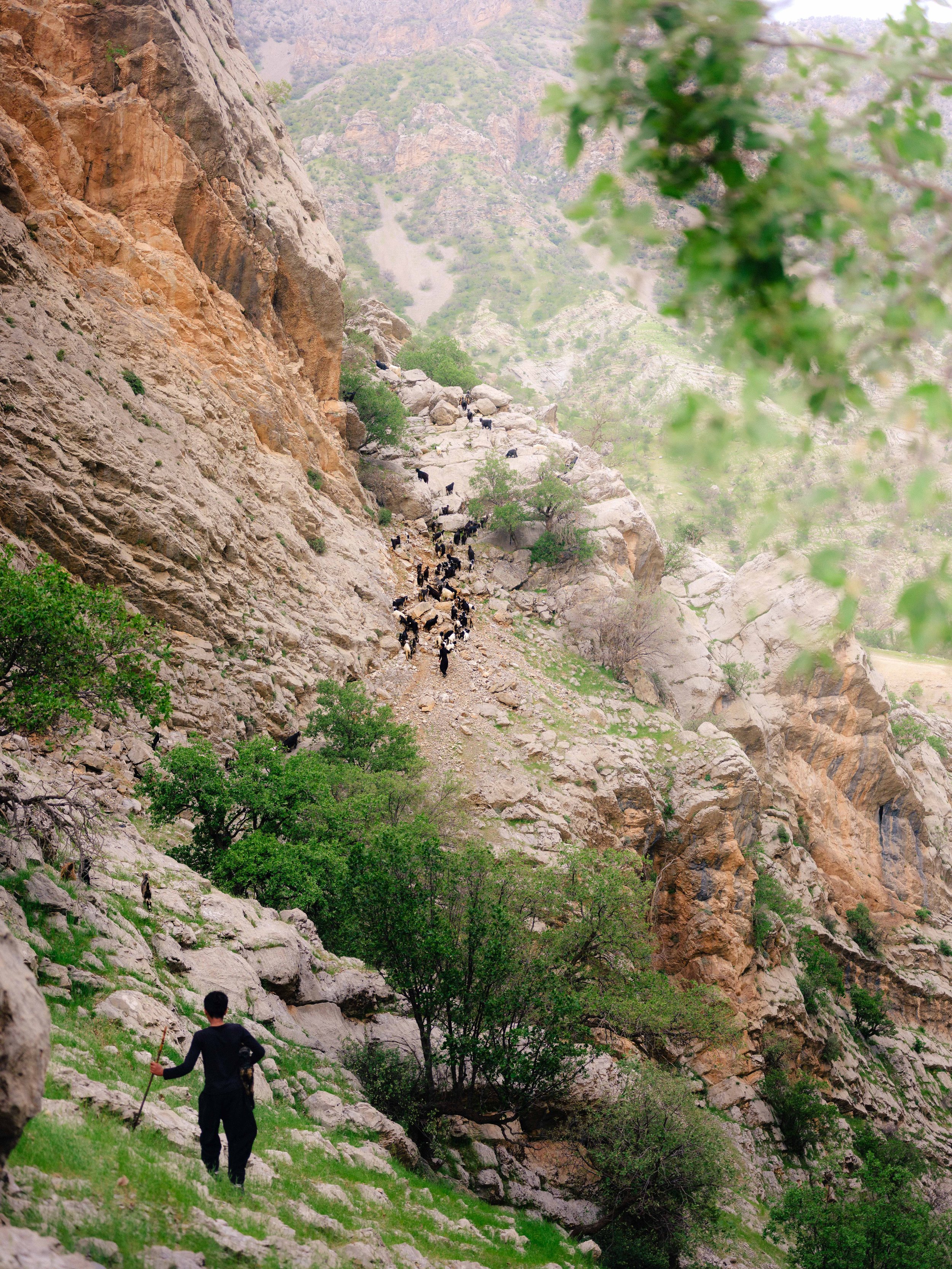
“Some children are good, but they do not always stay that way”, Sara tells me, as we watch him perform his duties alongside his brother, hoping that so many things about him will never change.
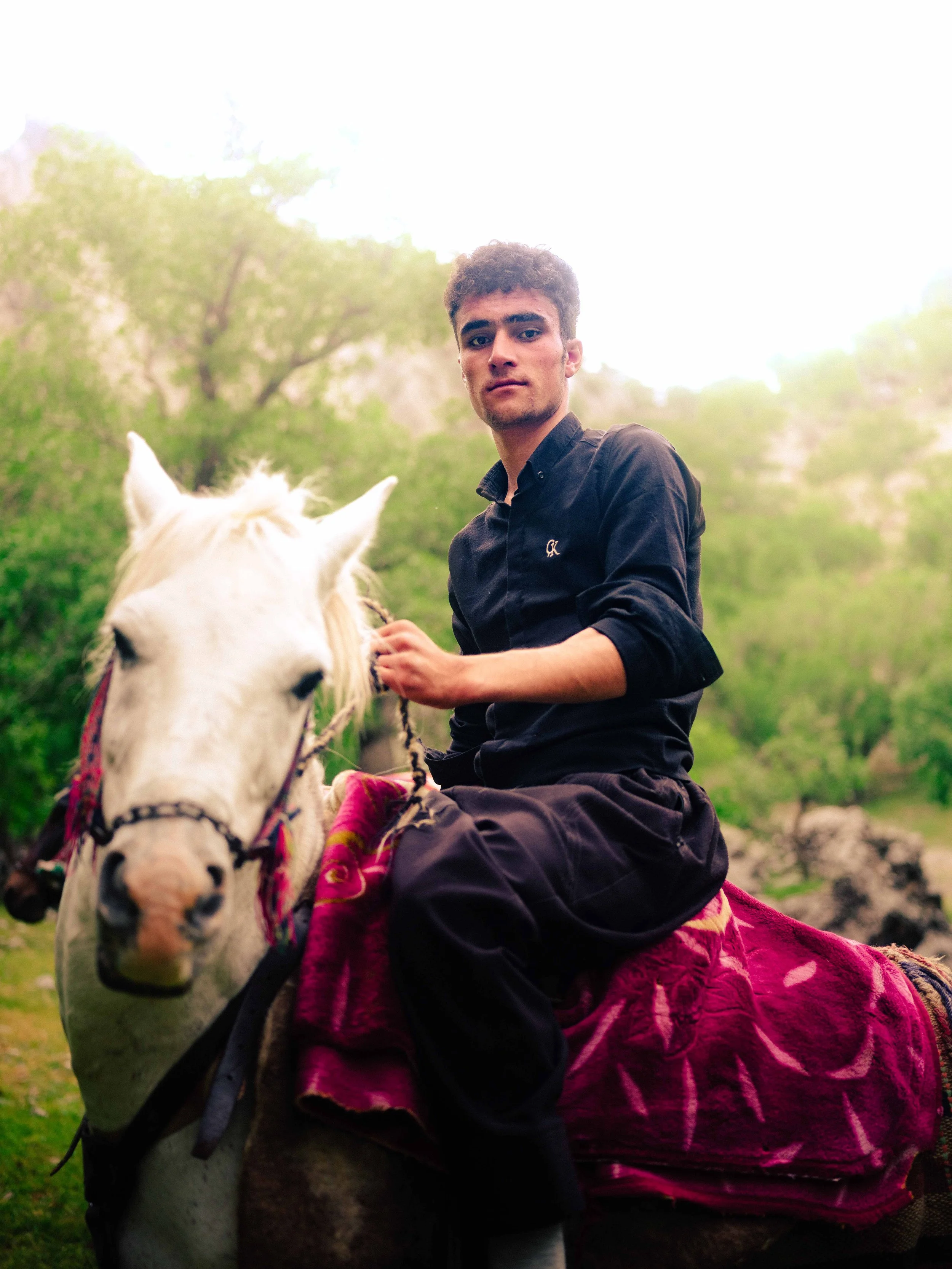
Ferdows Mokhtari
Despite being 4 years younger than the eldest son, Ferdows shoulders the responsibilities of one as the eldest currently works in the city.
The last to close his eyes each night yet always up before sunrise to watch the herd, it not only falls on him to share his father’s burdens, but also to set a consistent example to his younger brother Ashkan.
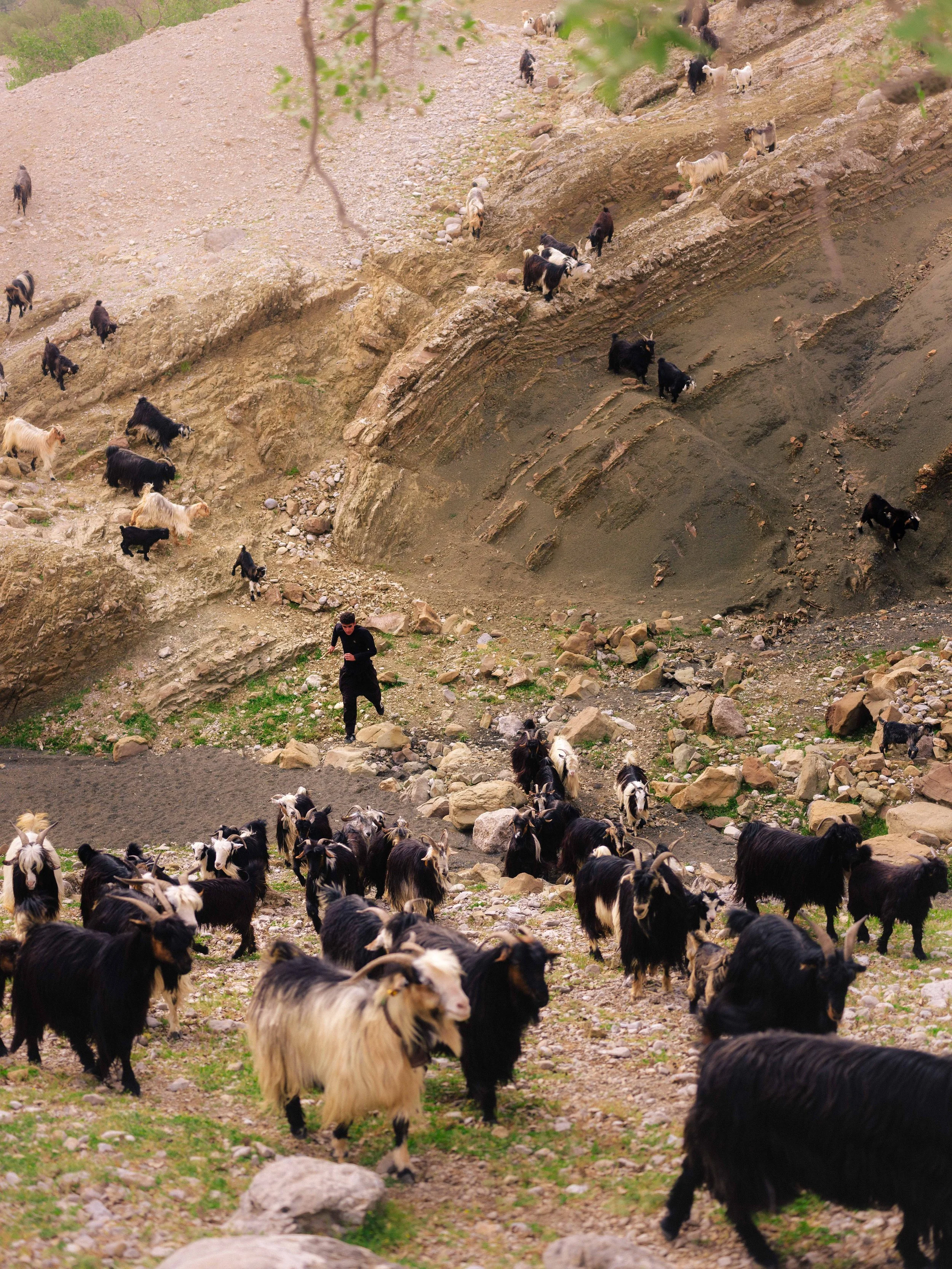
His responsibilities cover the entire passage of life to death for the goats.
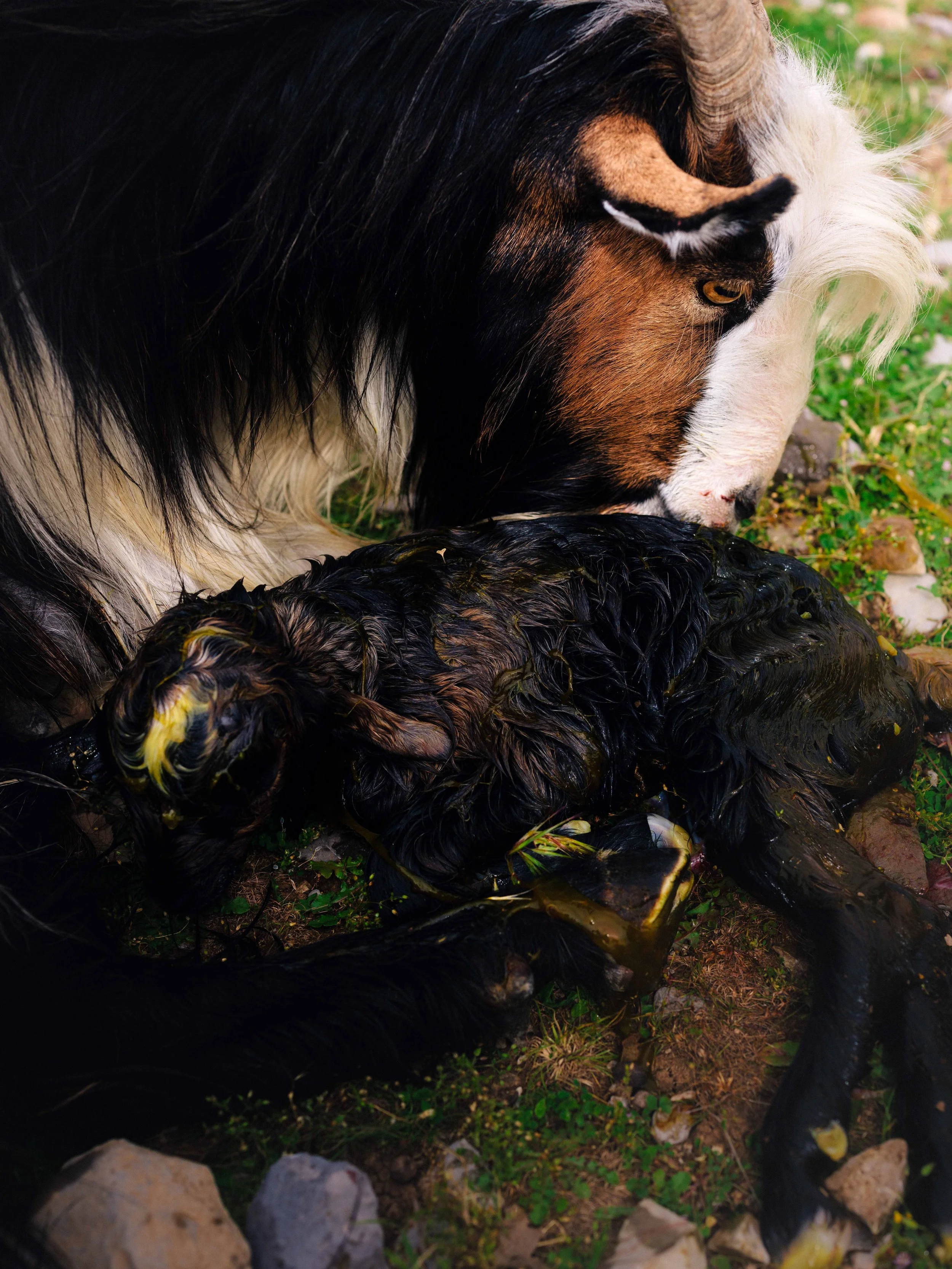
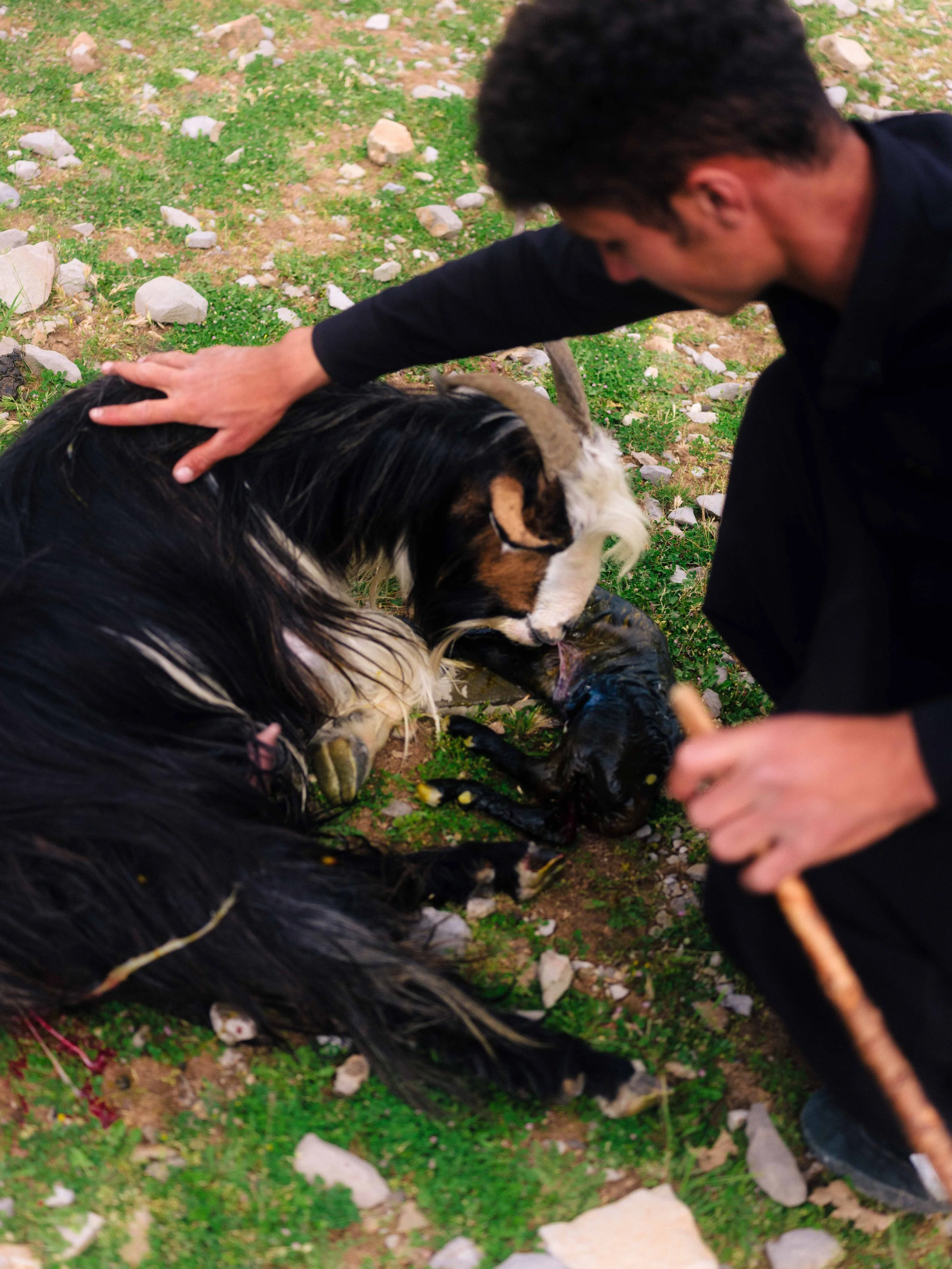
The newborn goats are often delivered by his hand, alone on the migration, and he would comfort the mother goat as they consume their placenta.
When his father picks out a goat to be slaughtered, he would wield the knife to slit its throat with Ashkan’s aid. It would be another long hour of skinning and gutting, arranging each organ and portion of meat neatly on a tin tray, and presenting the hide, clean and in its entirety, to his mother.
Ferdows does not intent to continue the nomadic life, and nor do his parents force it on him - it will only become harder.
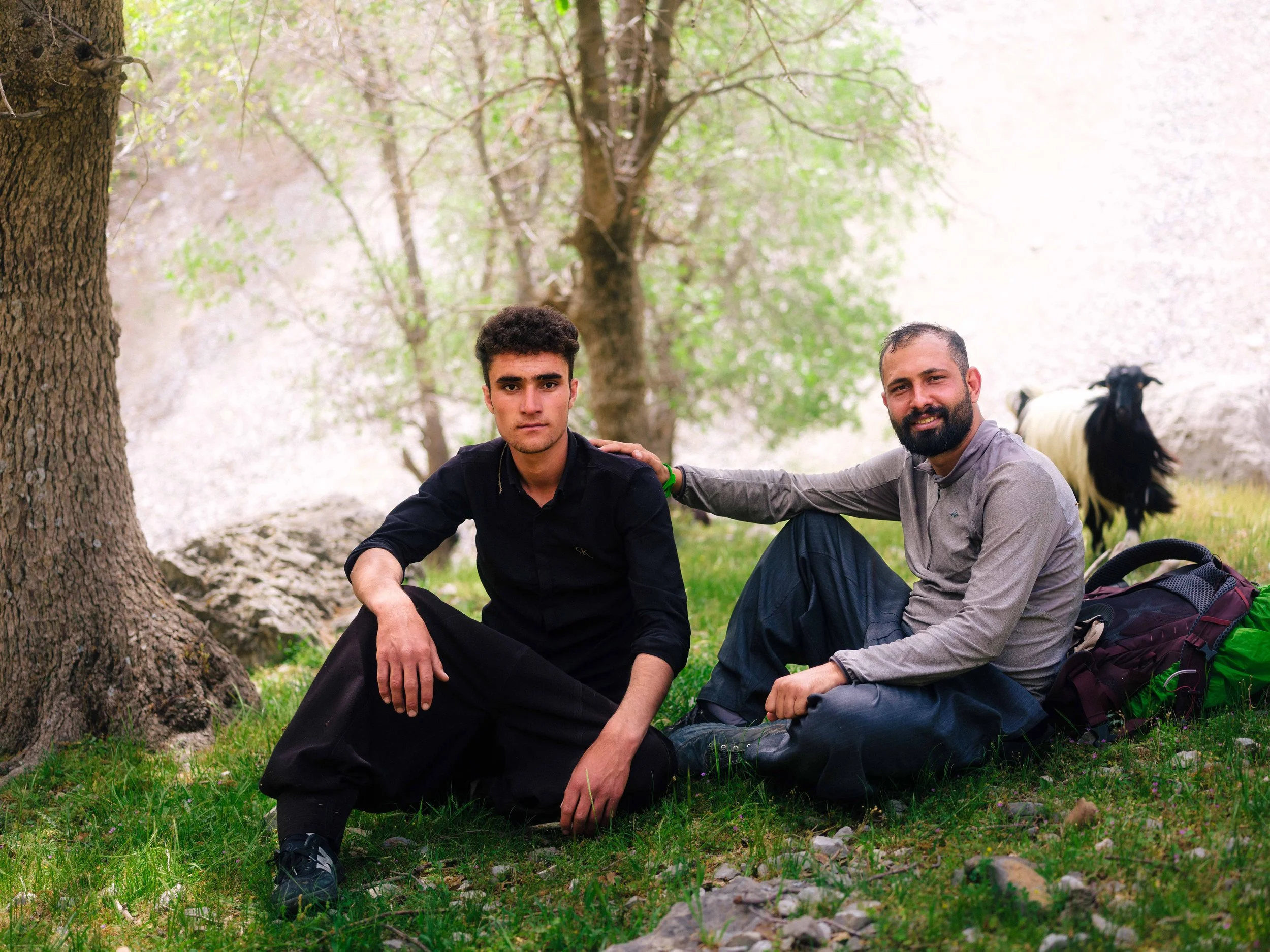
We spoke little - far less than I did with Ashkan - but his actions have always reflected an indisputably generous and humorous heart.
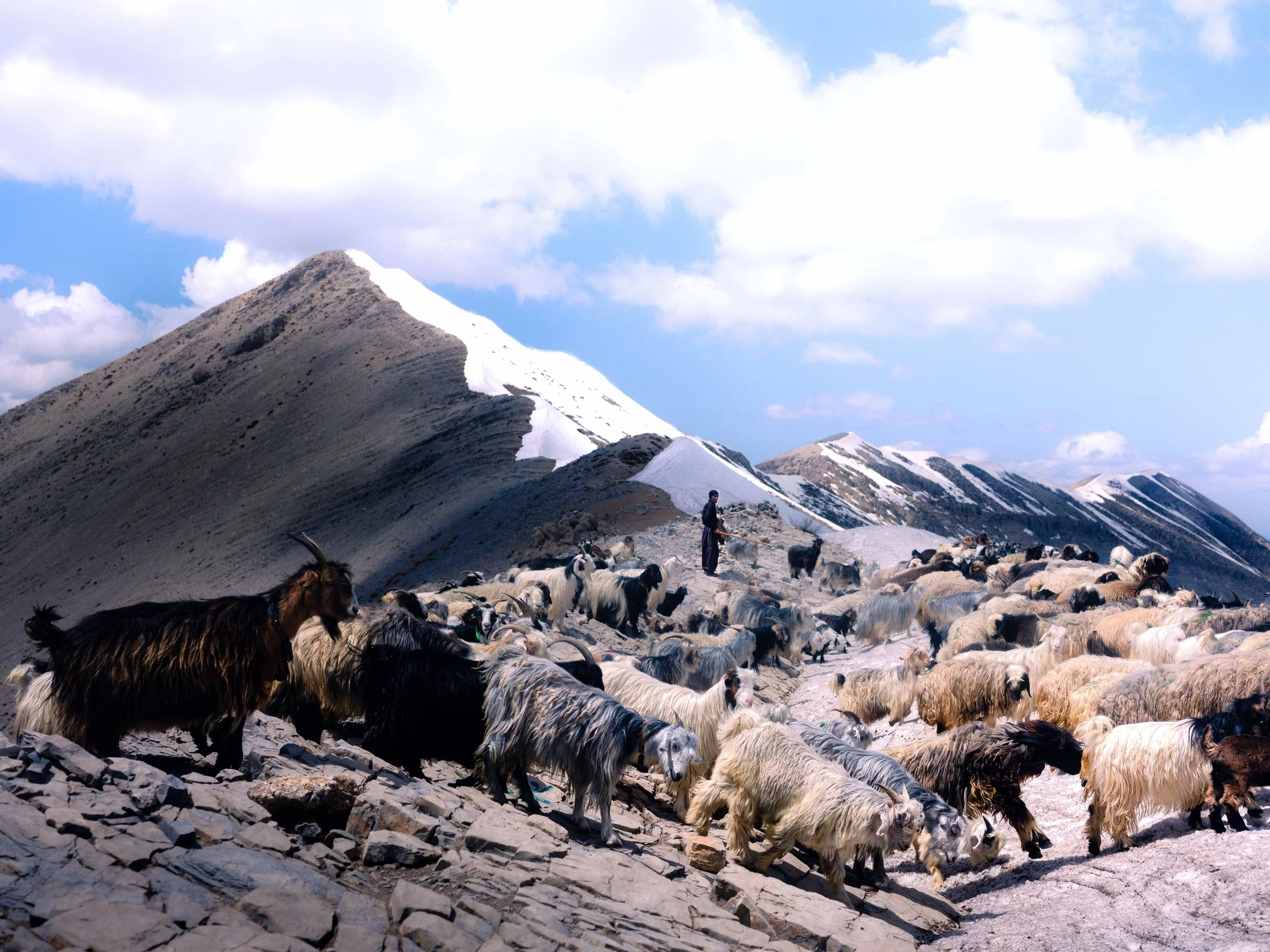
Celili Peak, Apr 2024
The ridgeline, at above 3000m asl., separates the winter pastures to the west and the summer pastures to the east.
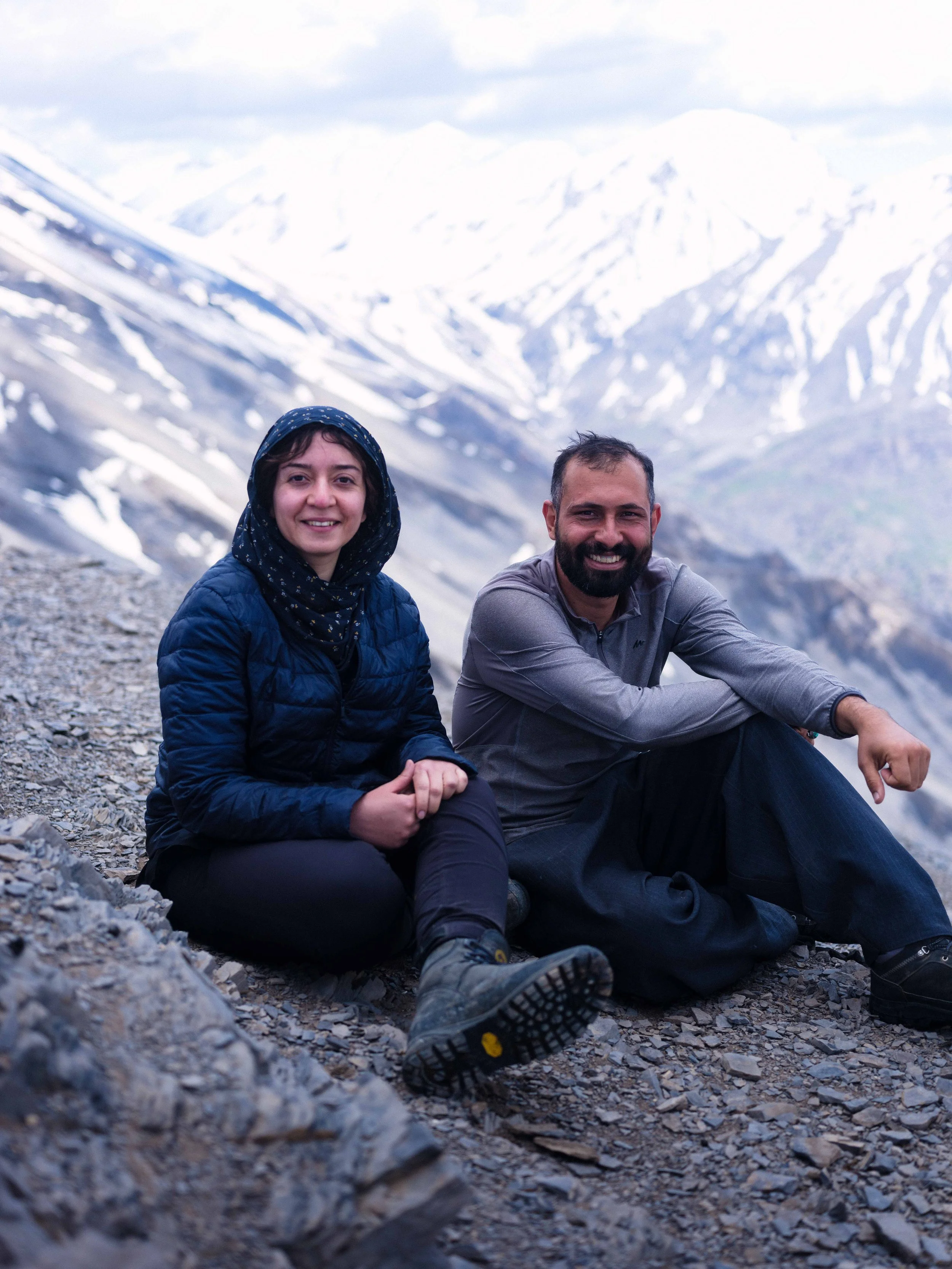
No more than a month after this image was taken, Mohammad would travel this path again to find a near absence of snow.
The pictured Nomad and his herd overtook us on the ascent, and established a simple camp for tea with his family just 100m below the col. We gratefully accepted their invitation to join, sharing dried fruits and bread from our own supply.
Summiting the col, he and his brothers performed a count as the herd was funnelled across the pass.
Returning to the city, I continued
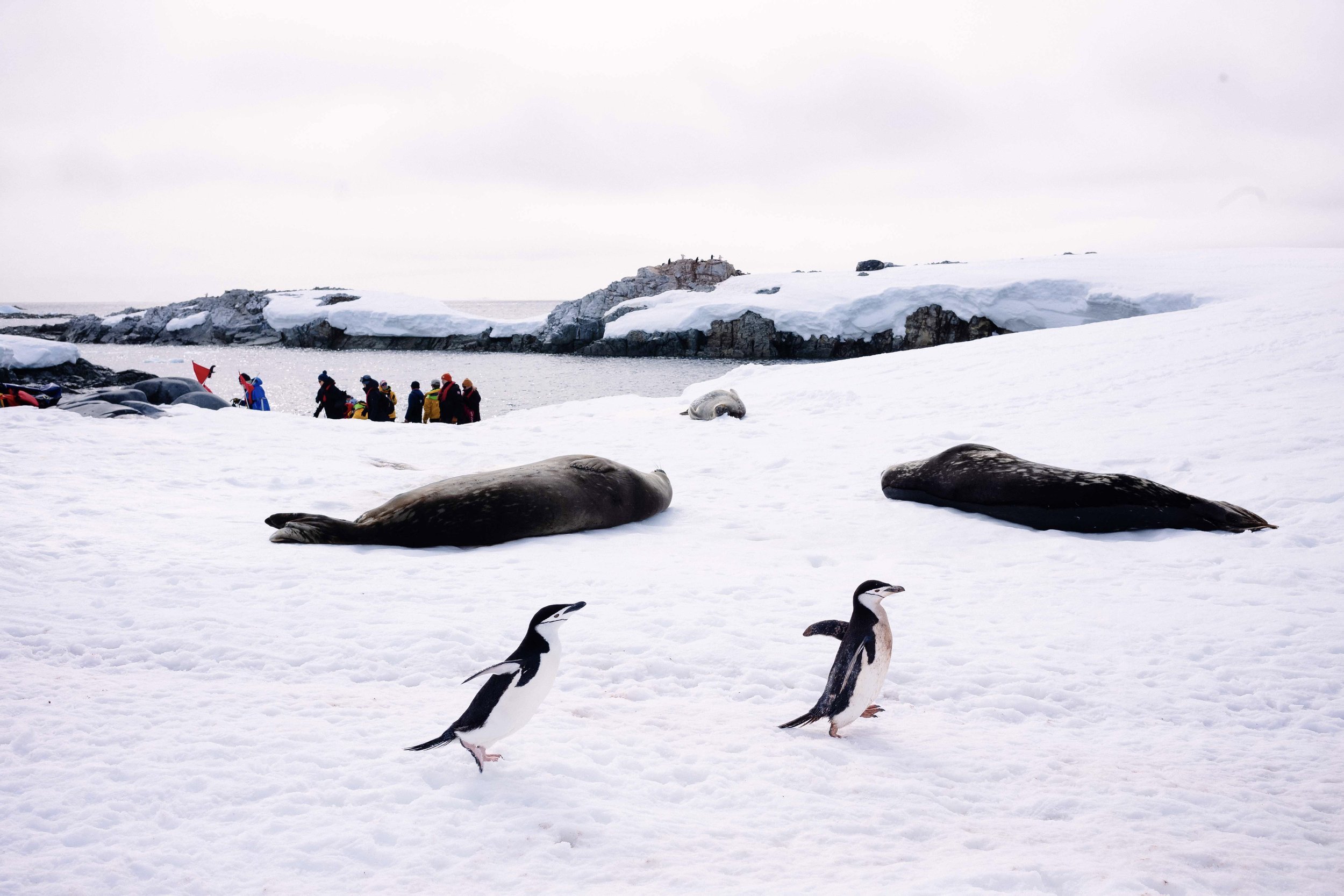
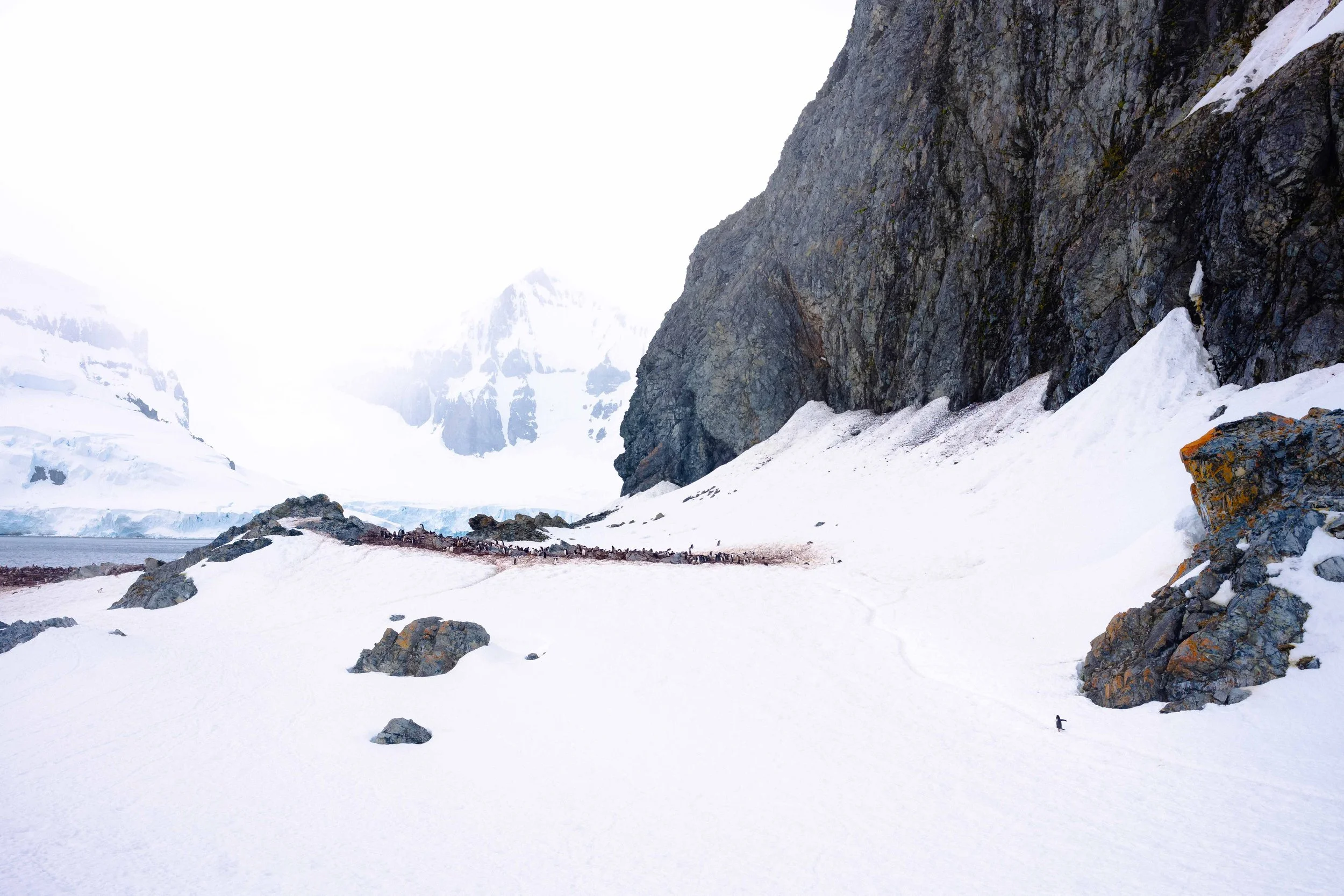
Antarctica
“Interconnectivity is the source of our resilience”
“Interconnectivity is the source of our resilience.” - Michael Beaudoin
Cuverville Island
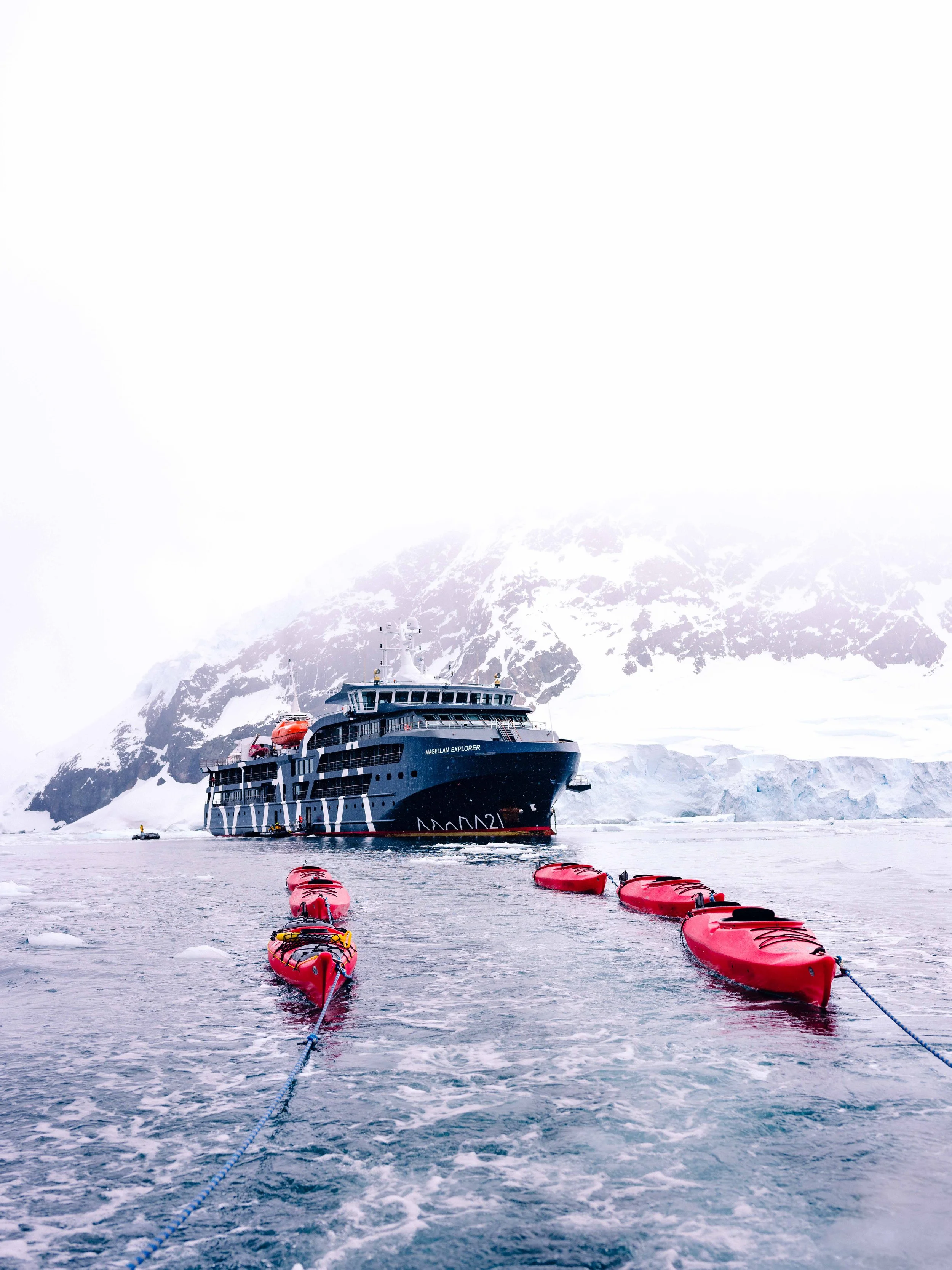
Neko Harbour, Antarctica
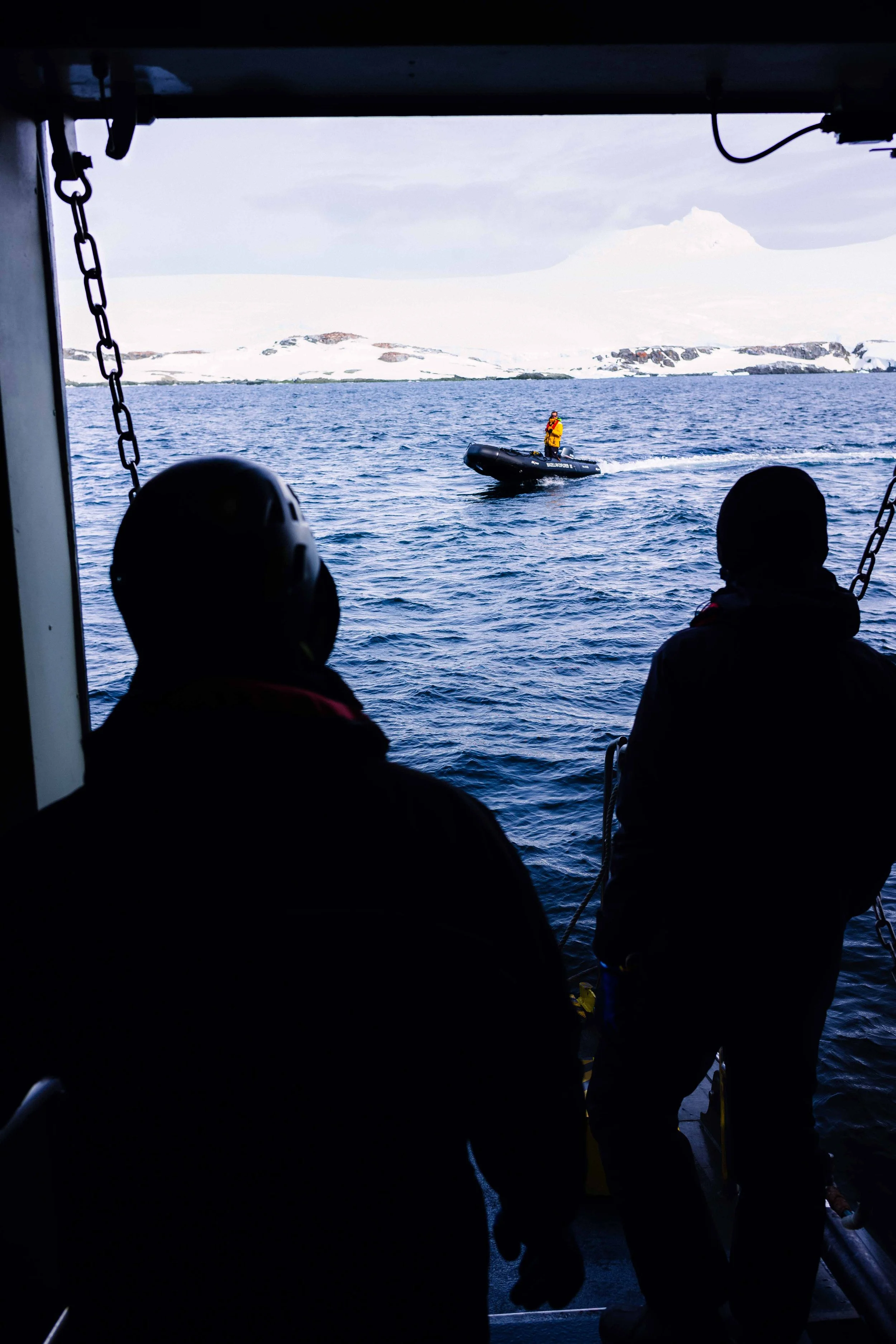
Hydrurga Rocks
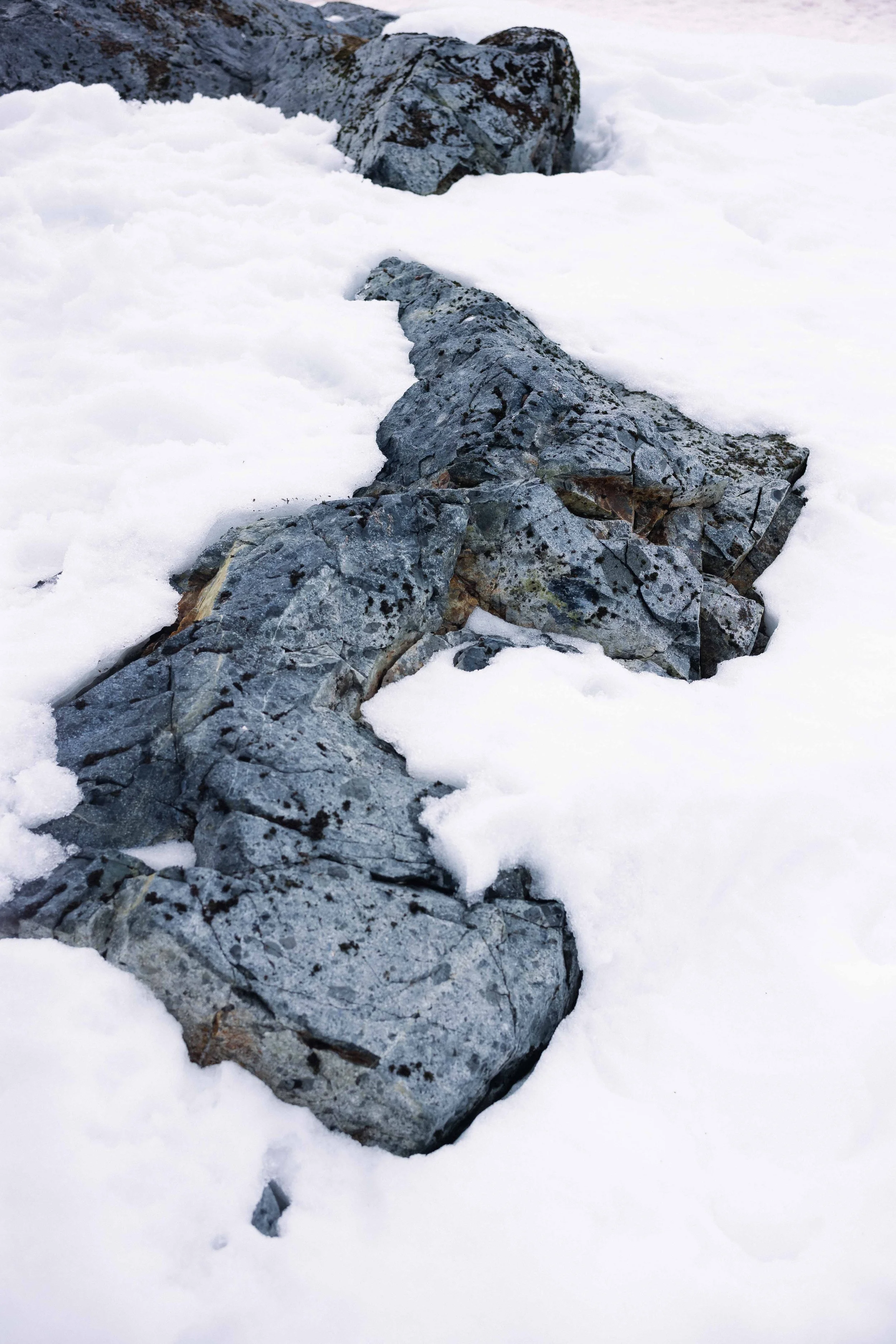
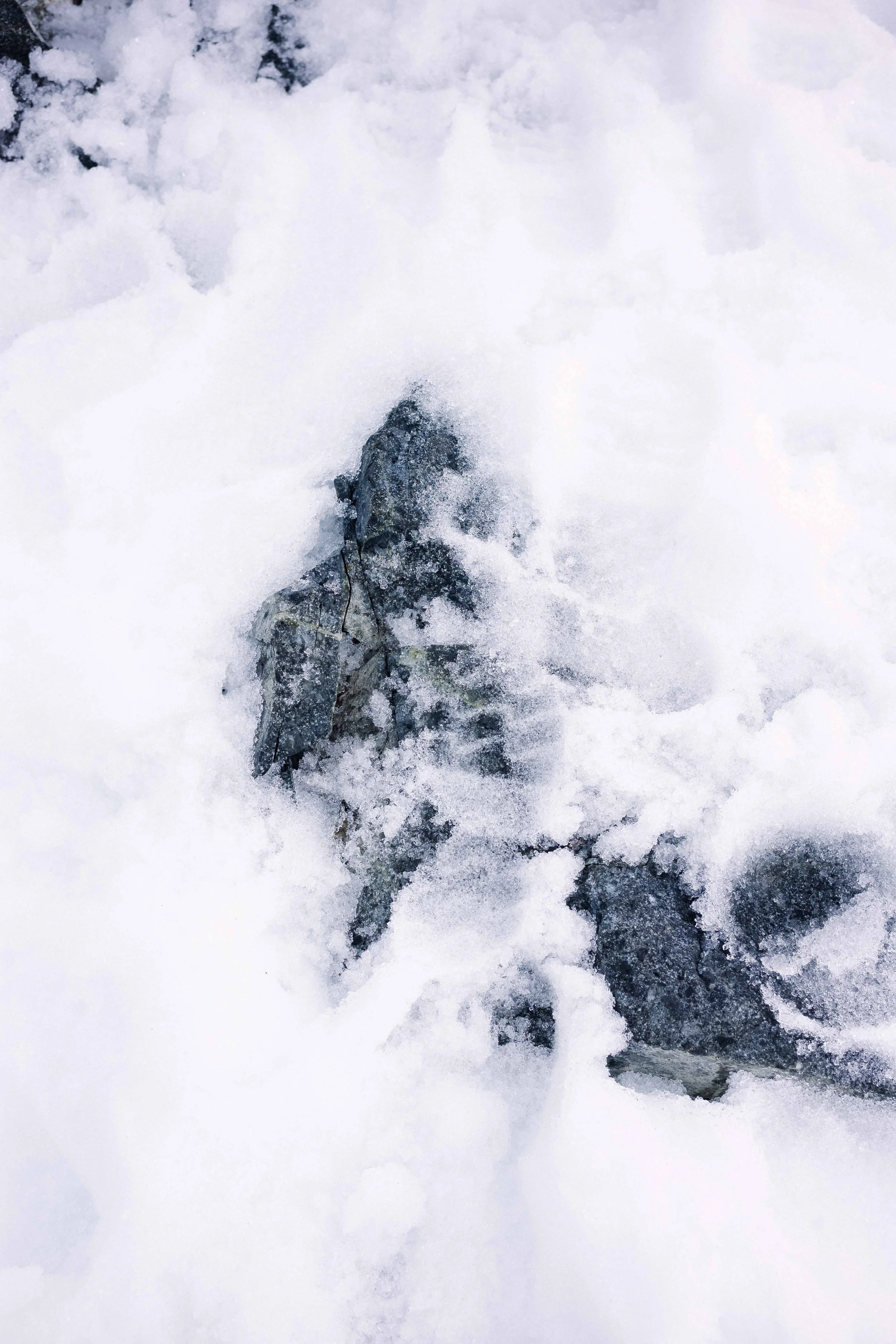
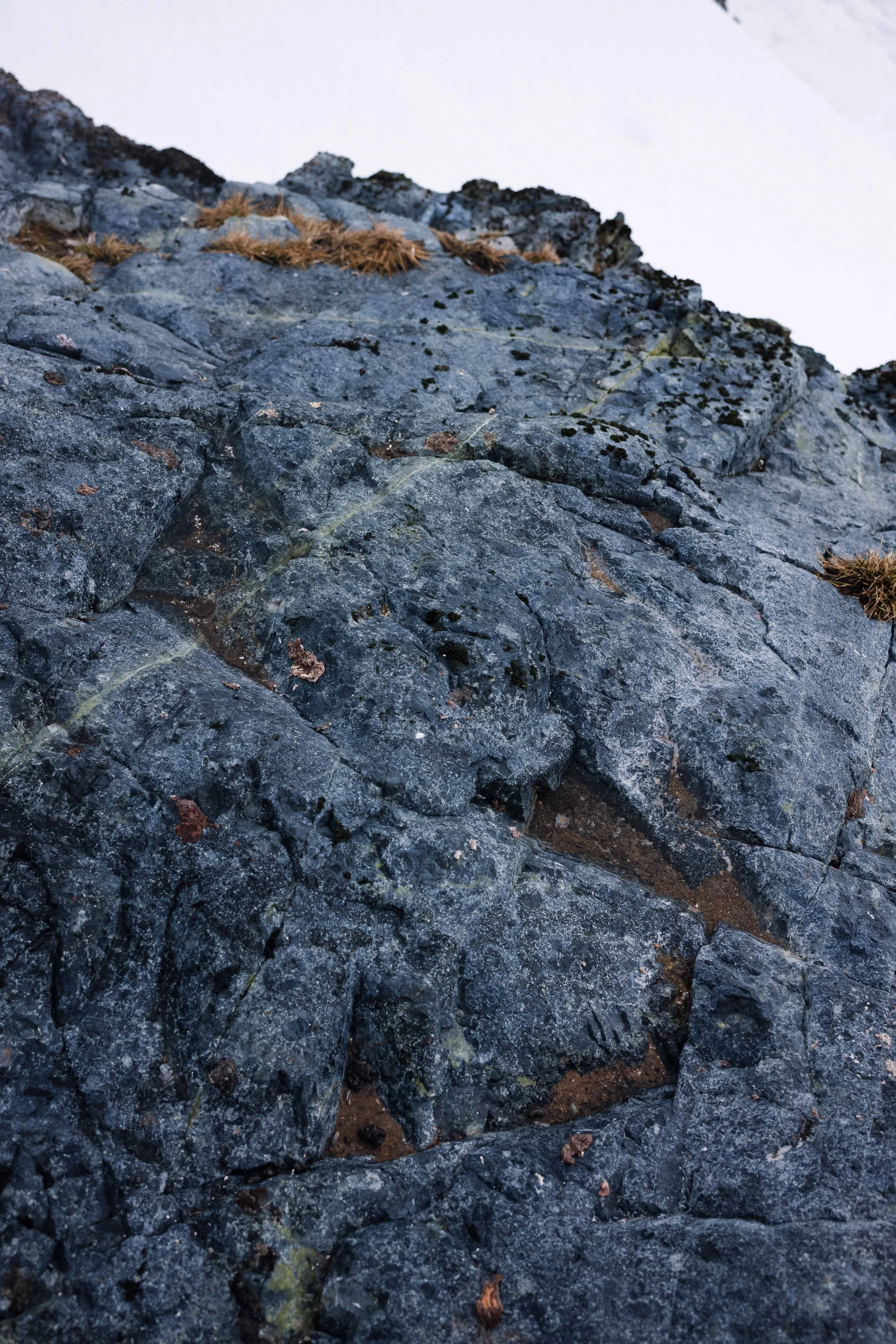
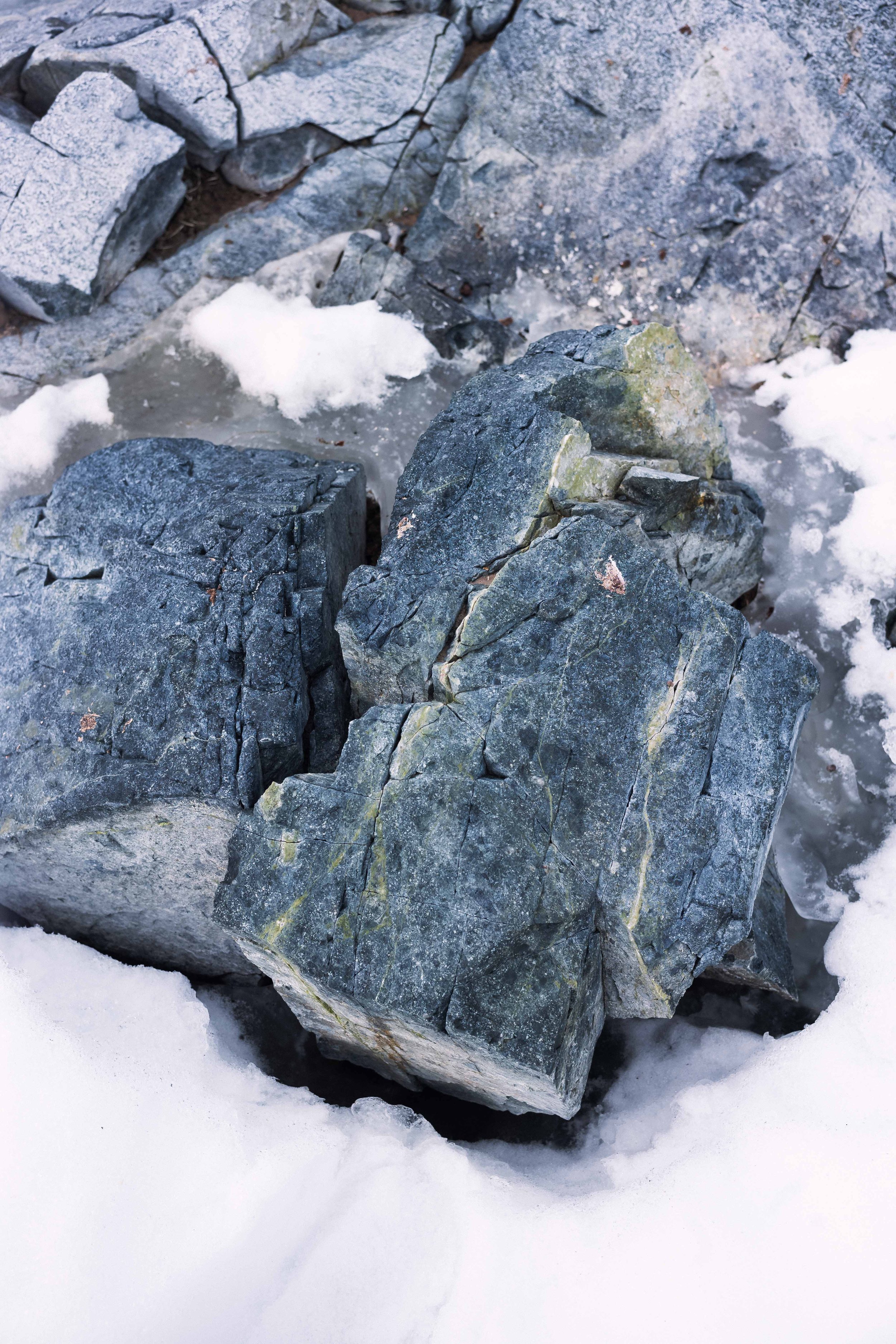
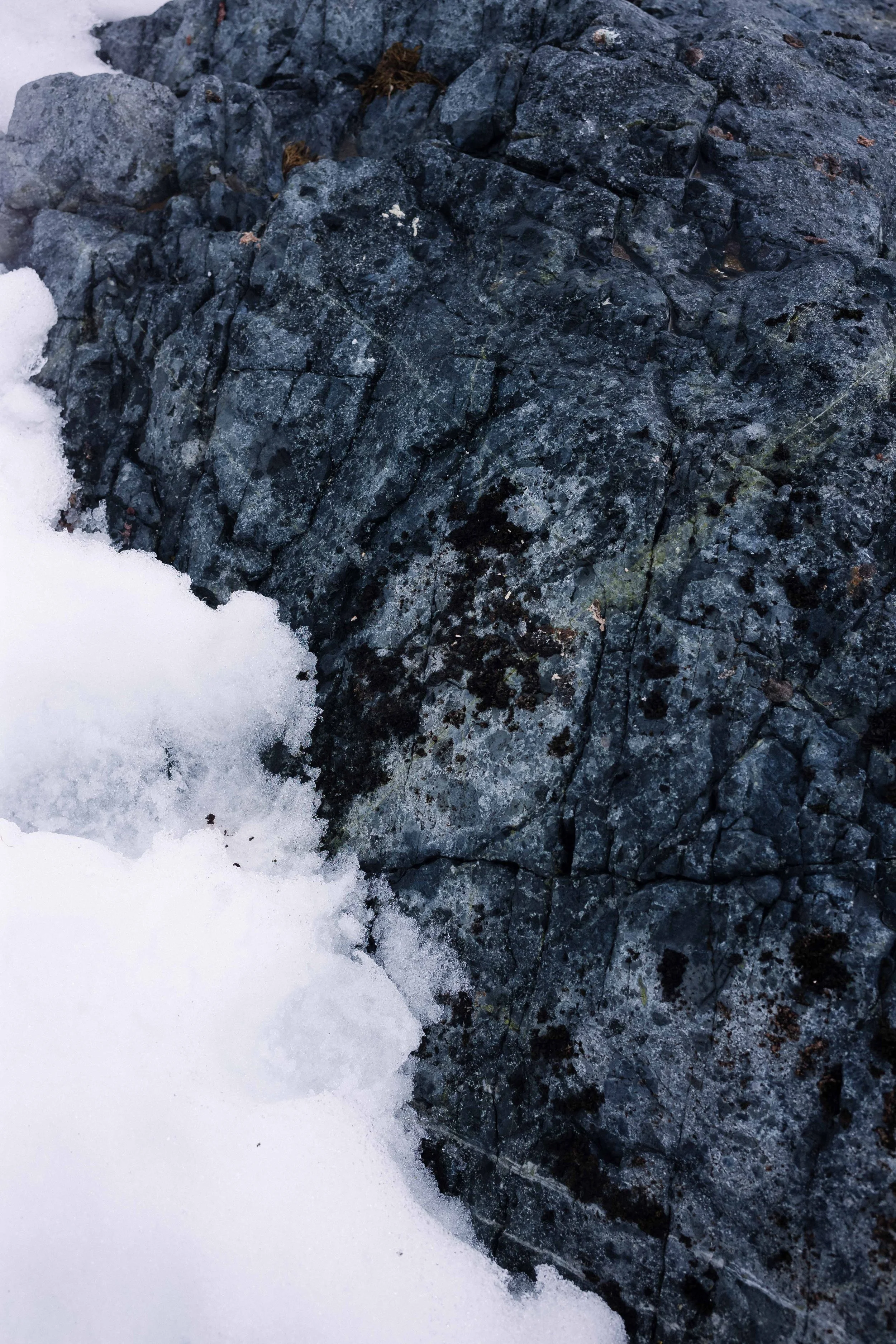
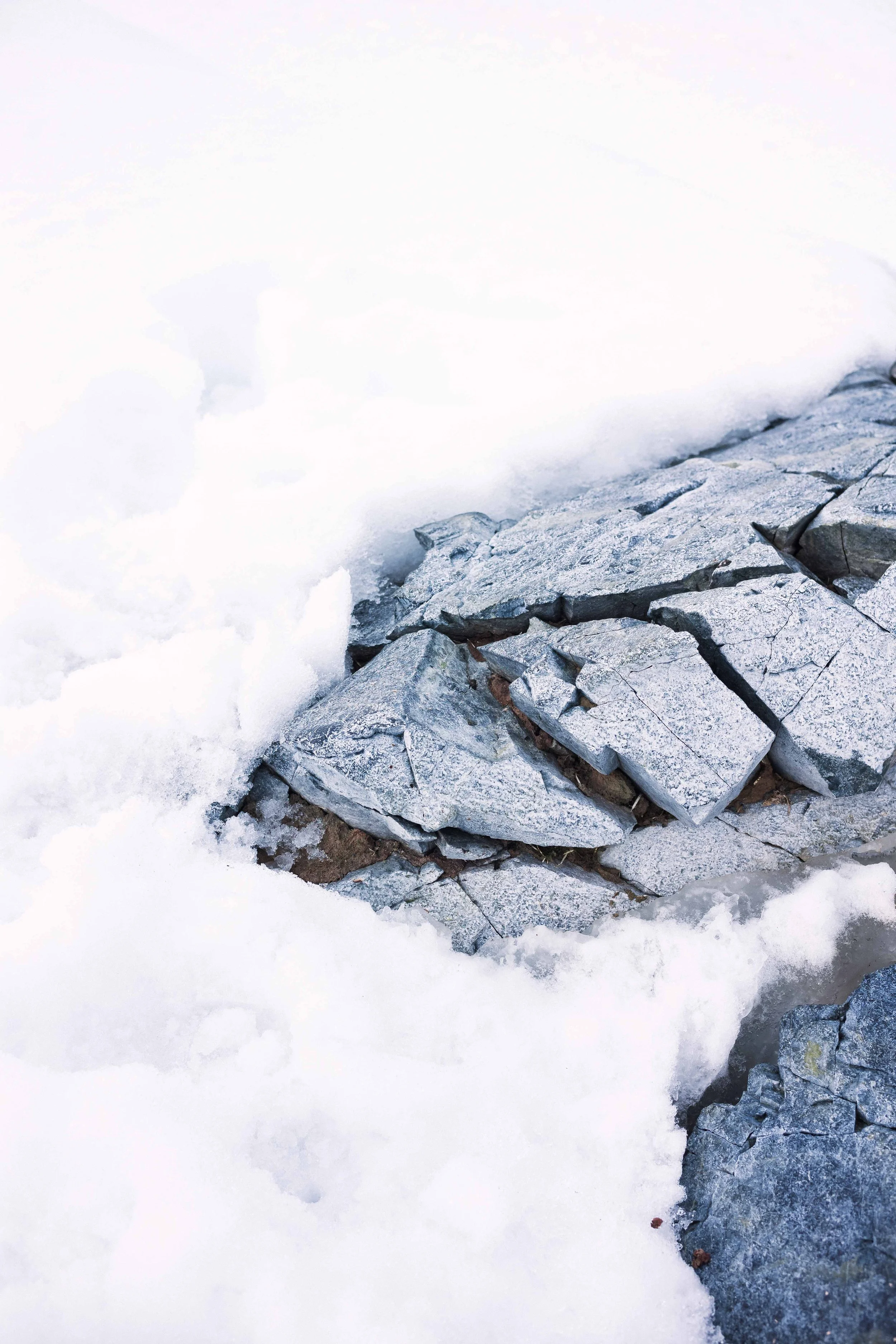

Whaler’s Bay, Deception Island
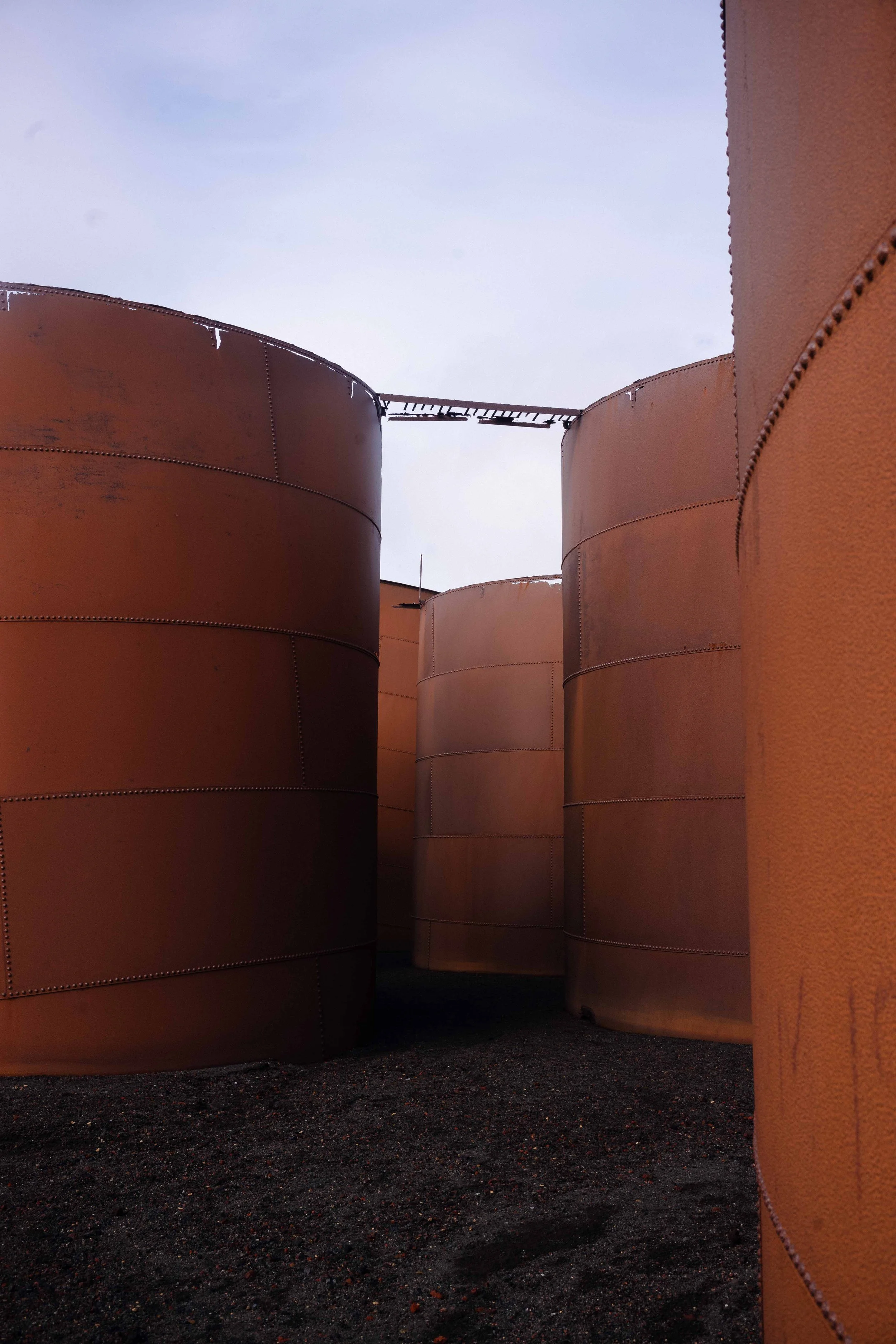
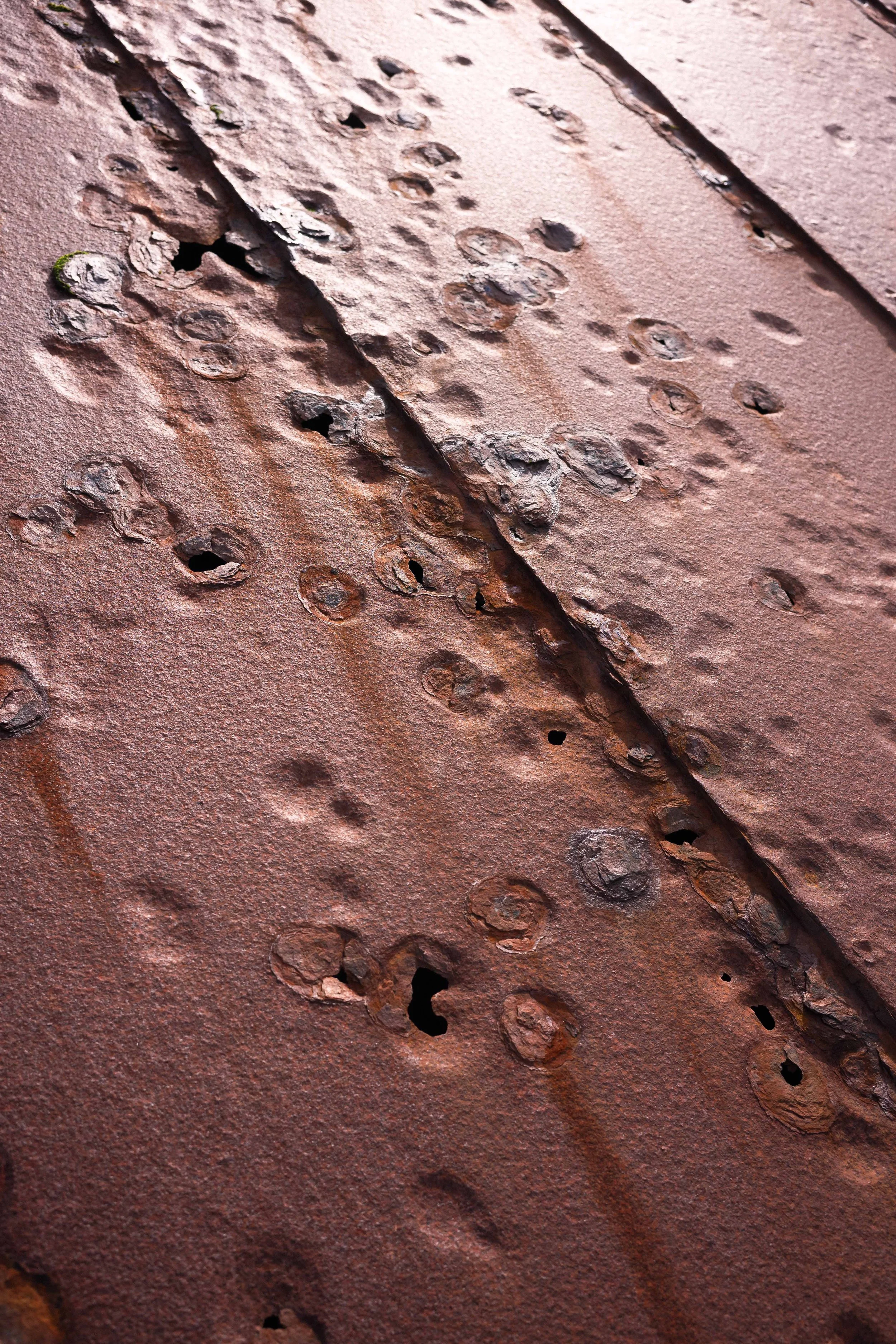
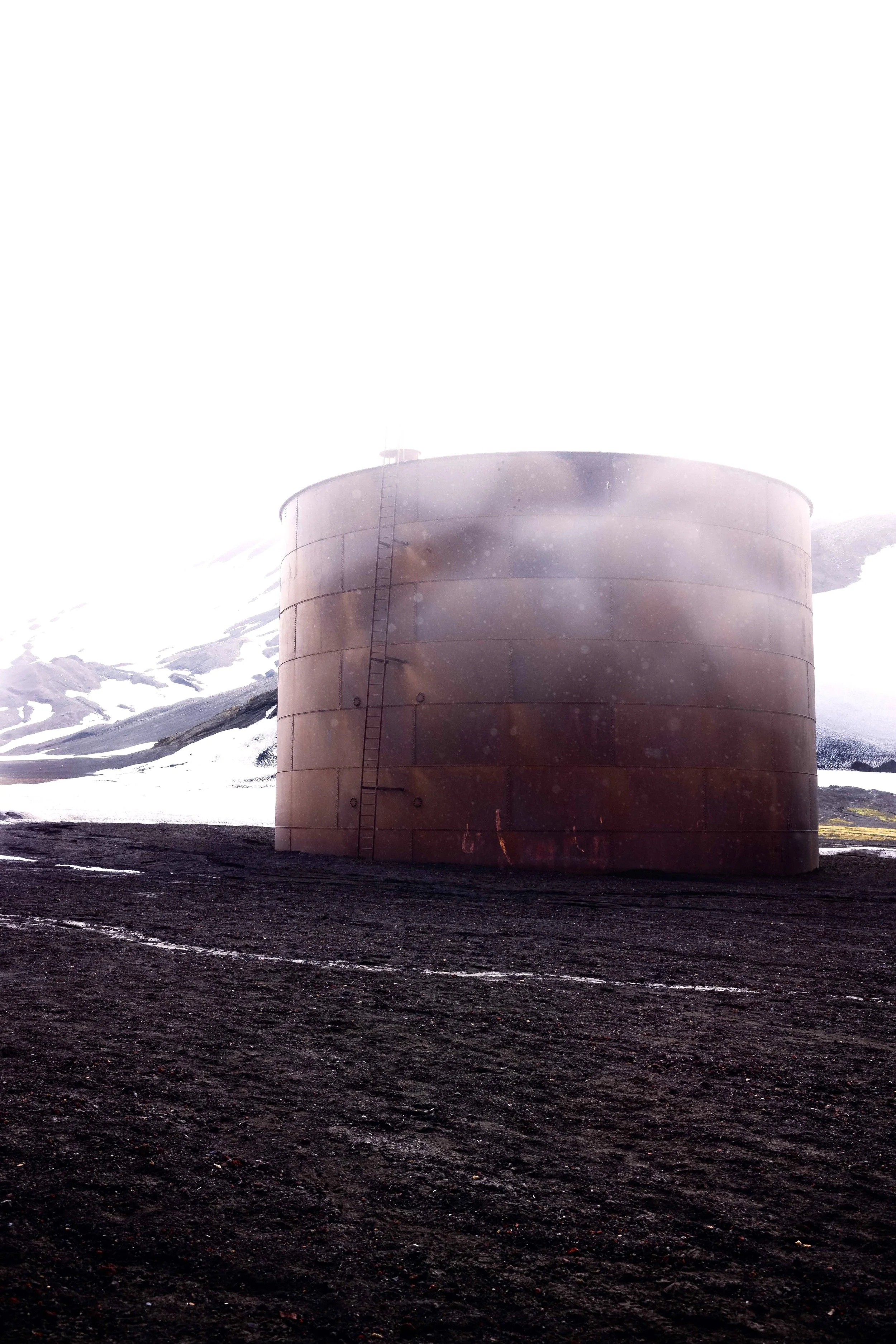
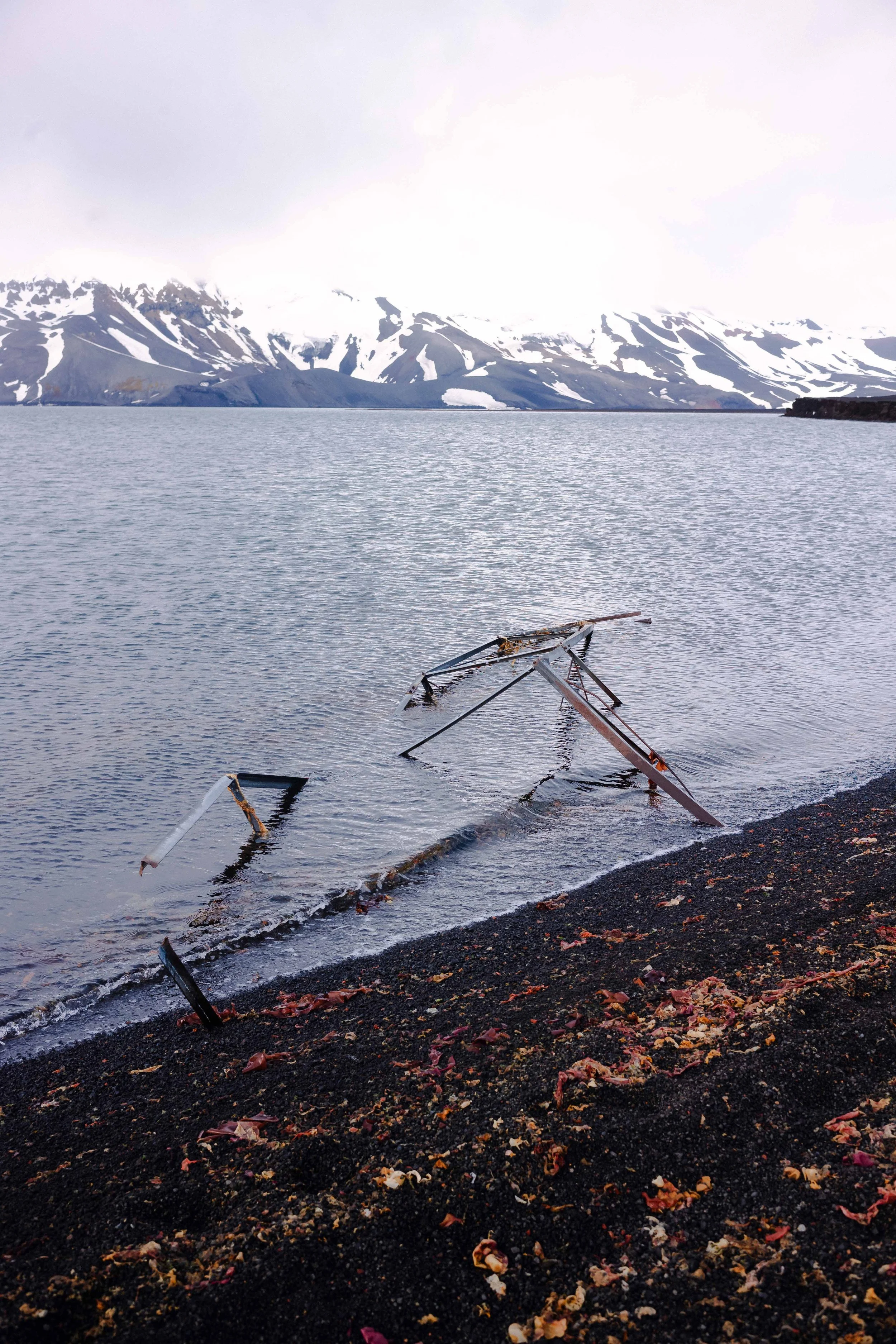
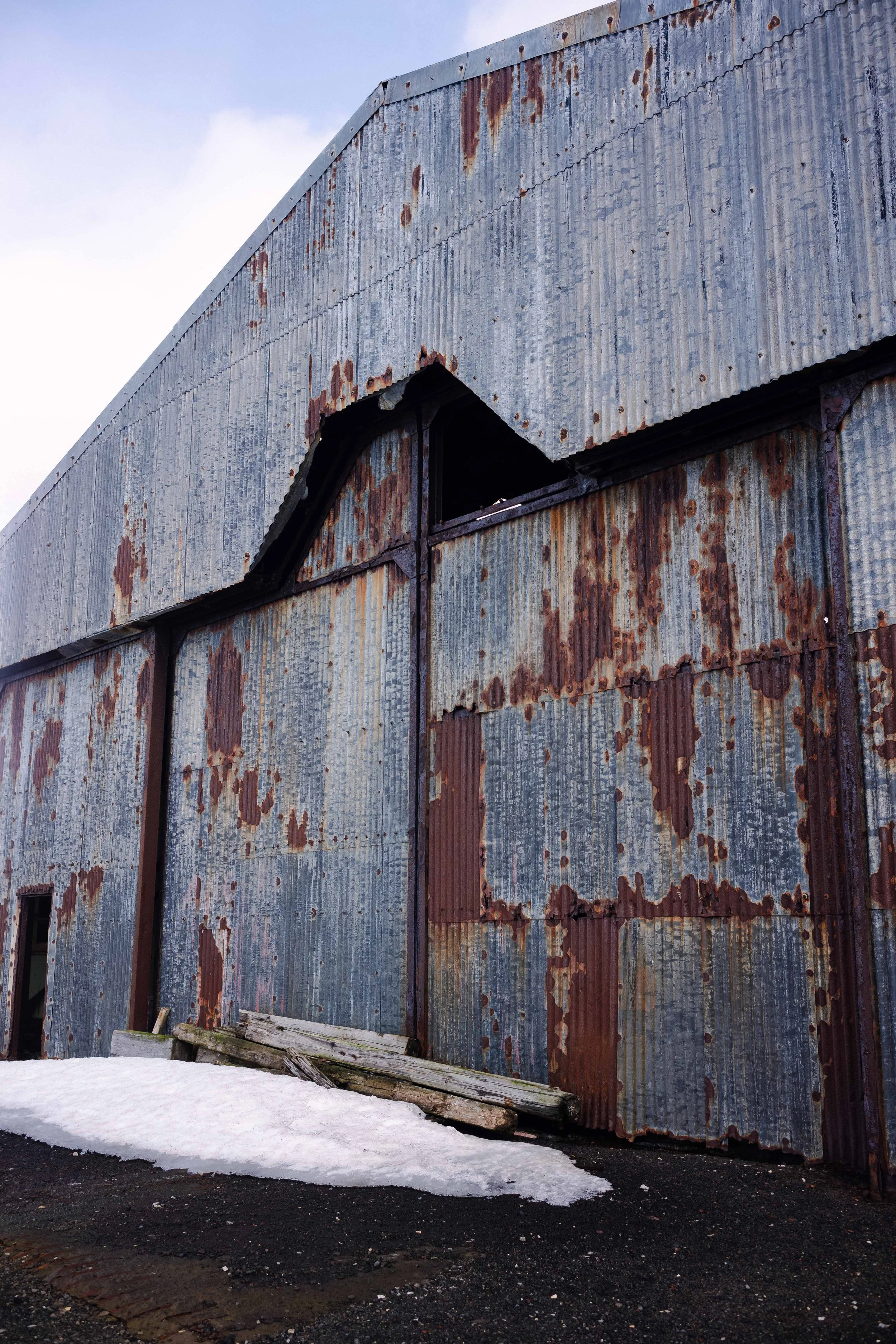
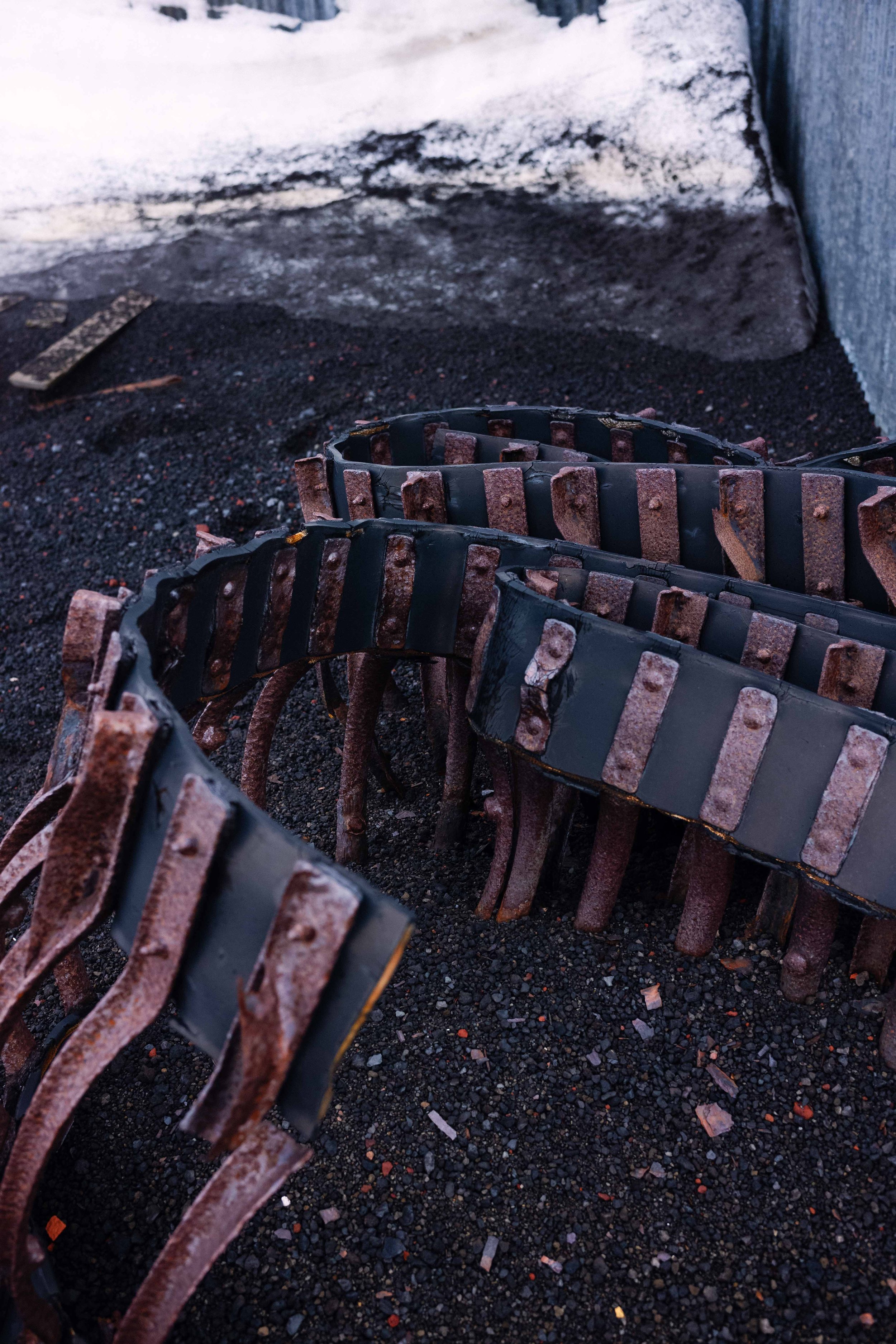
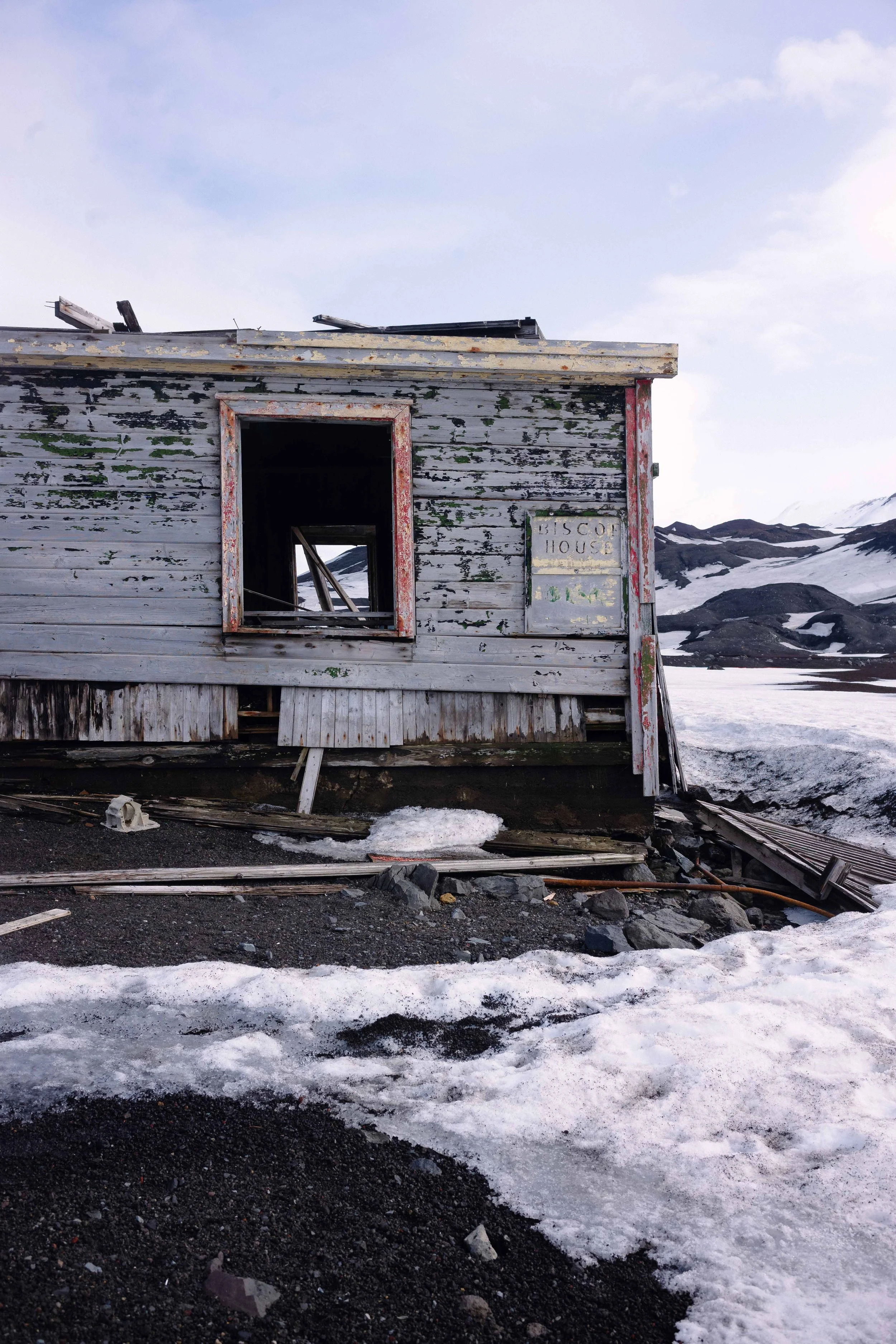
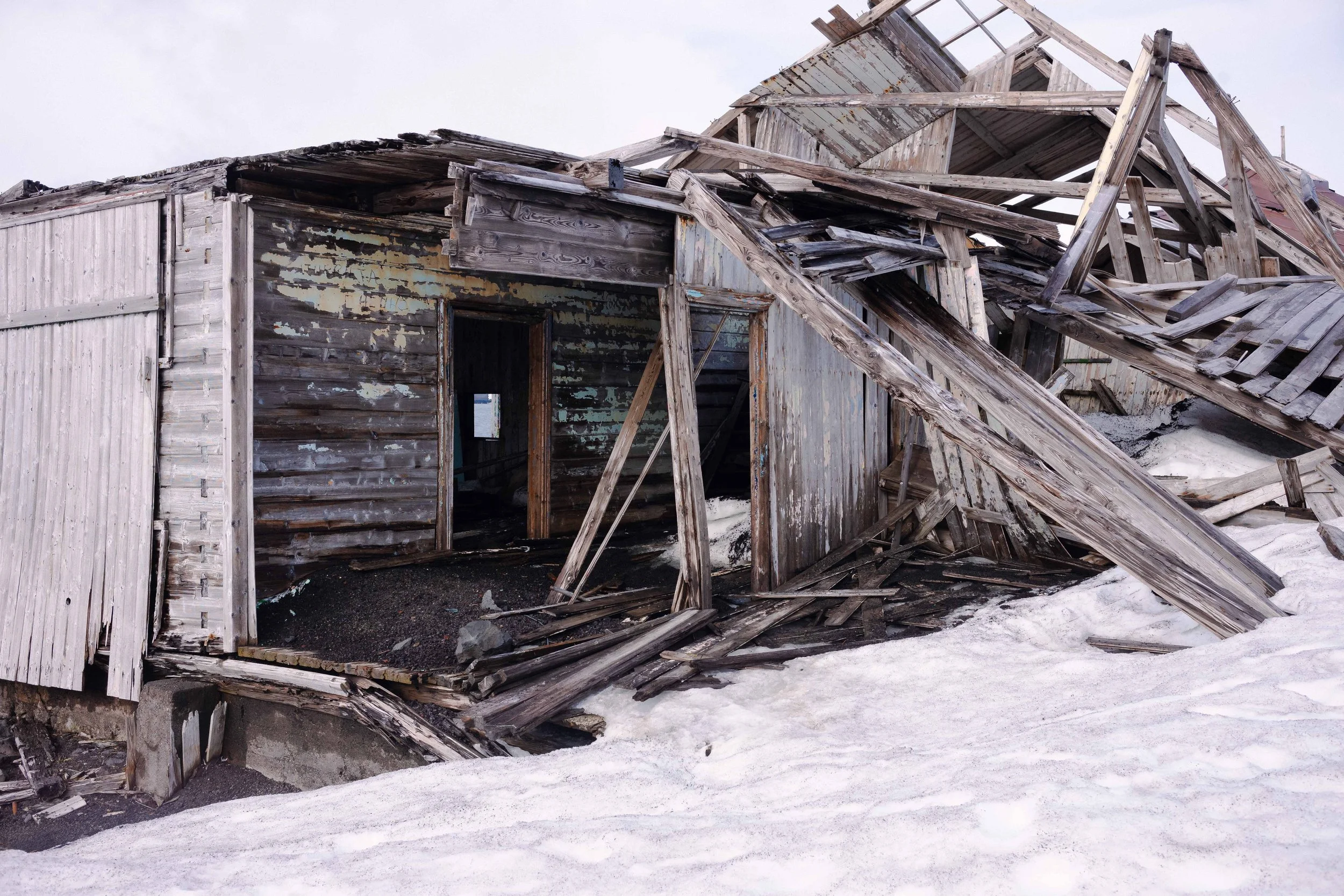
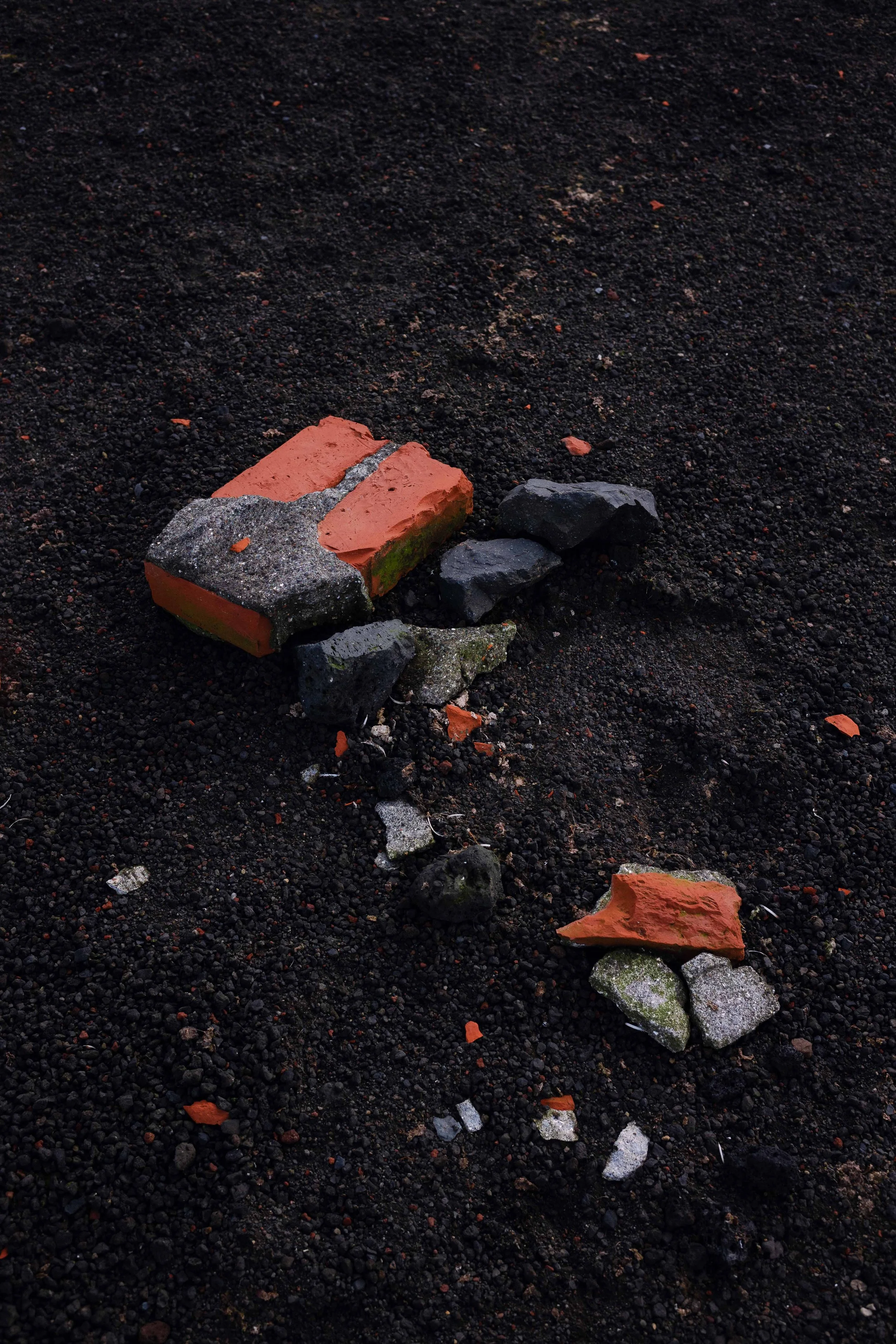
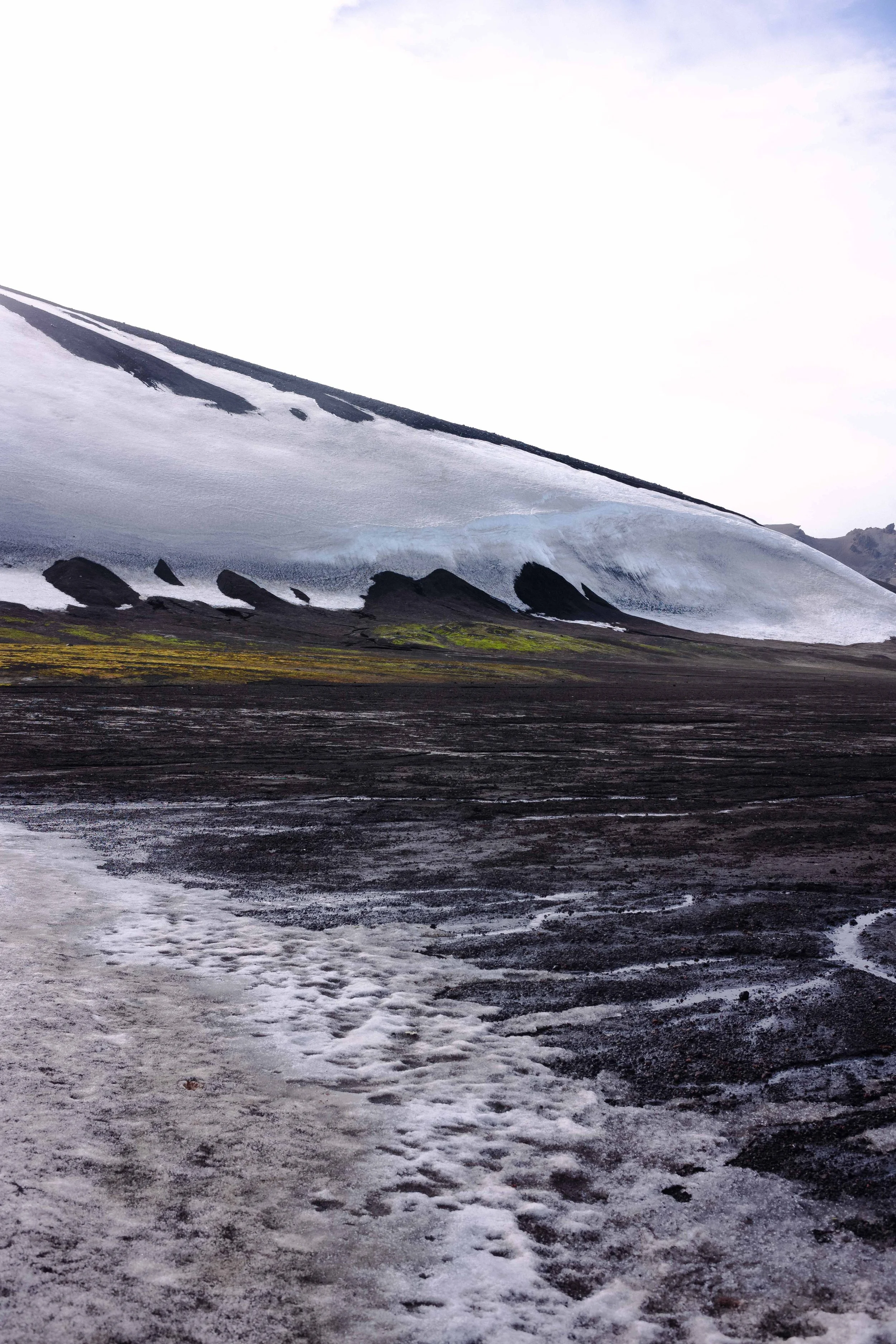
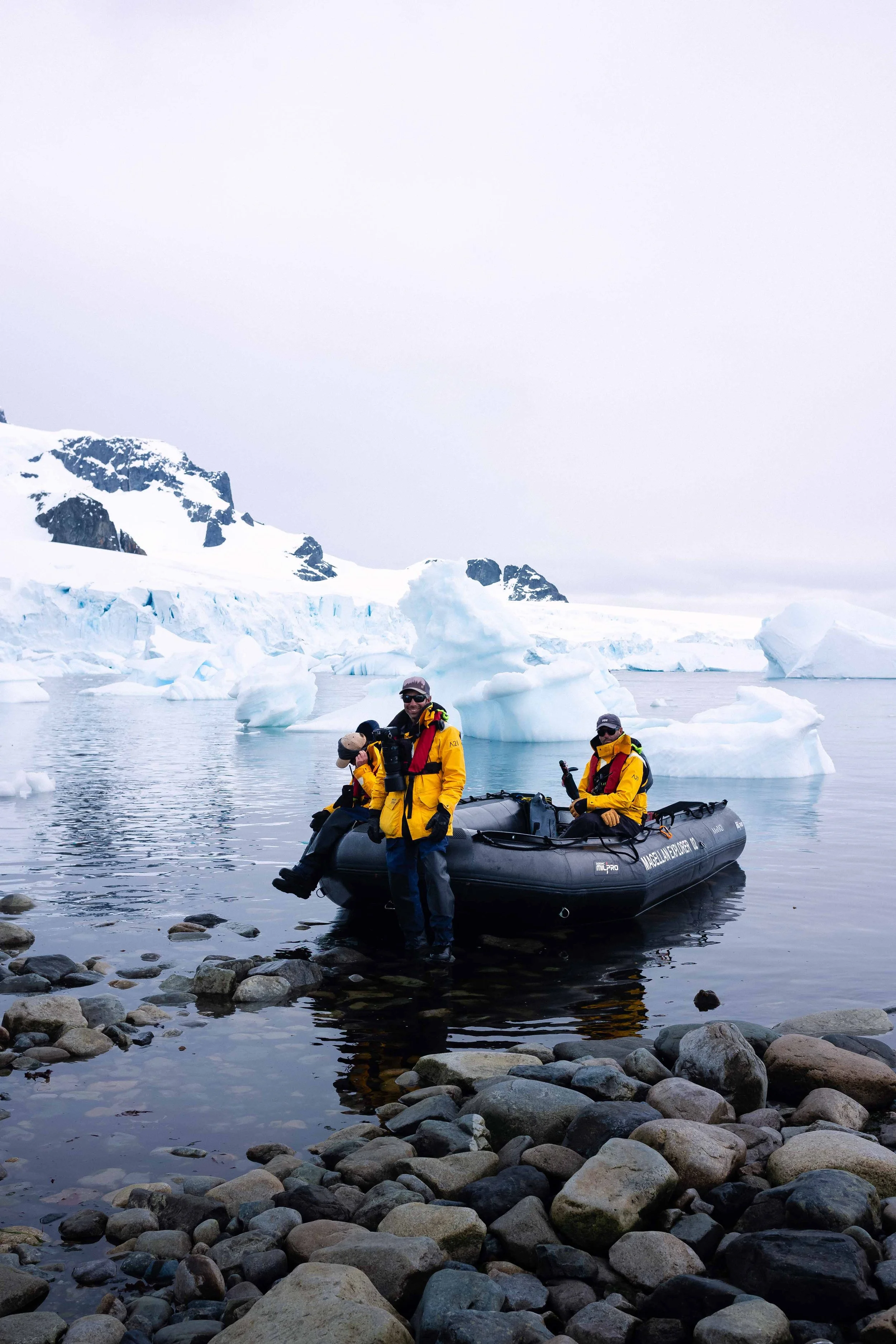
Cuverville Island

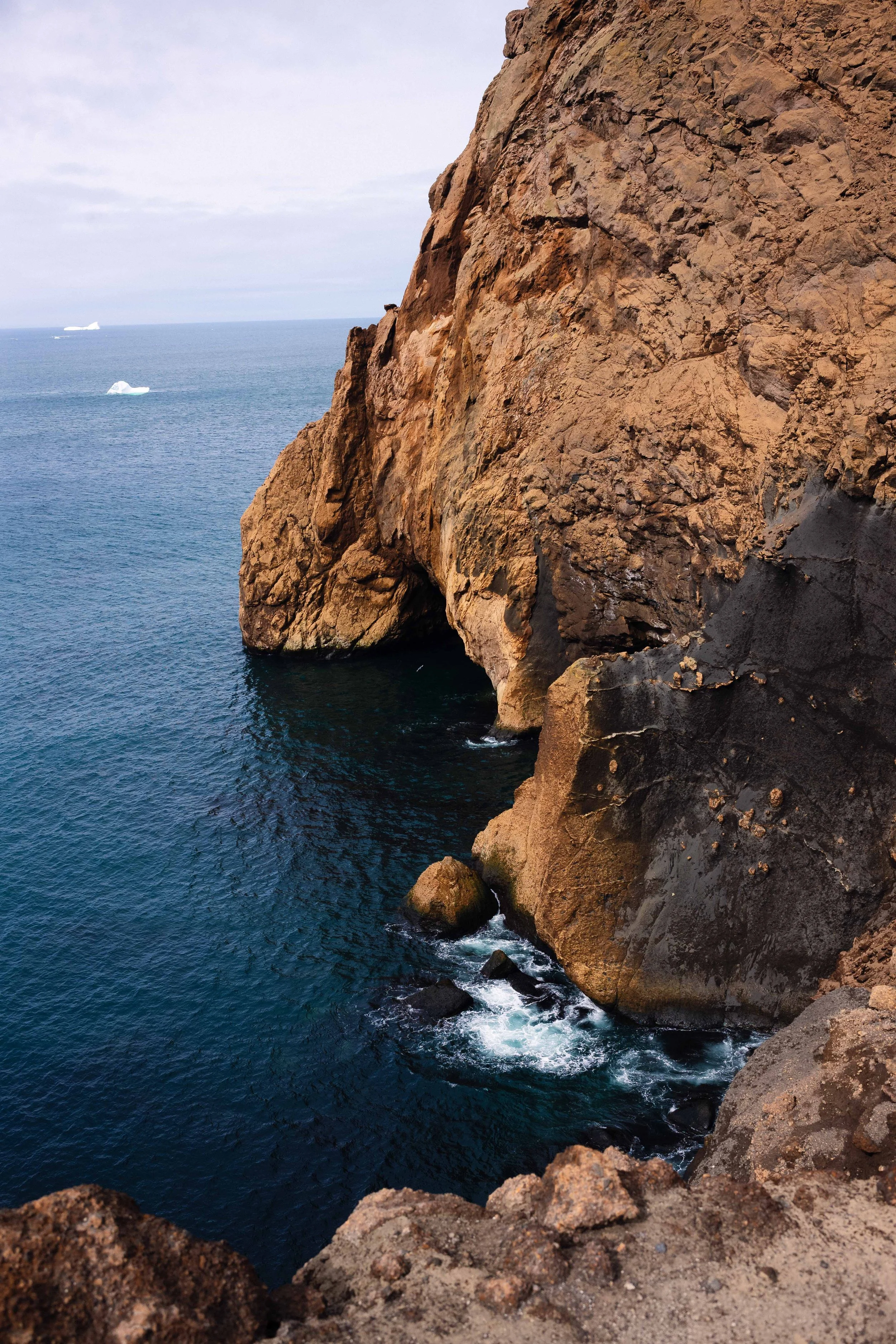
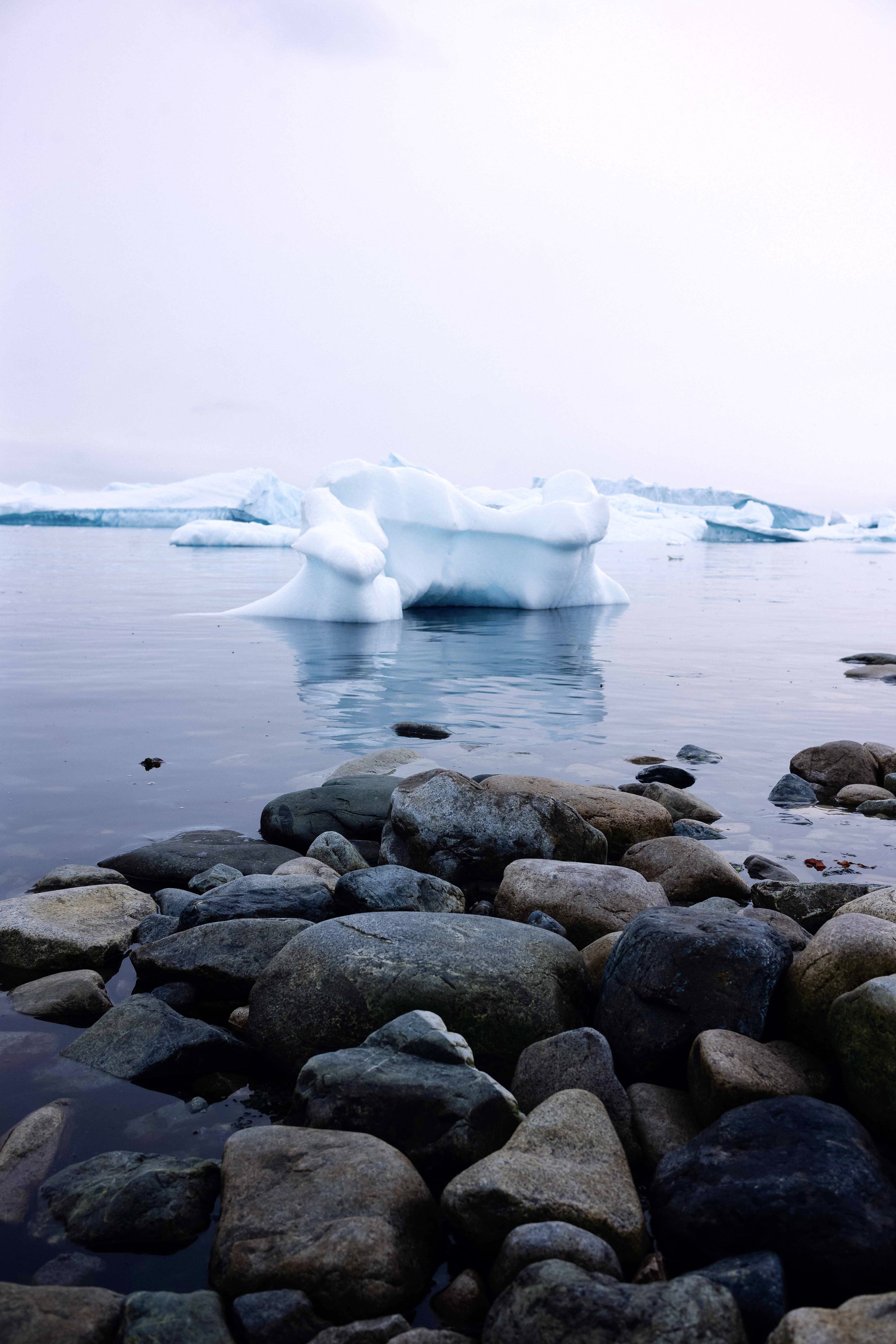

Hydrurga Rocks
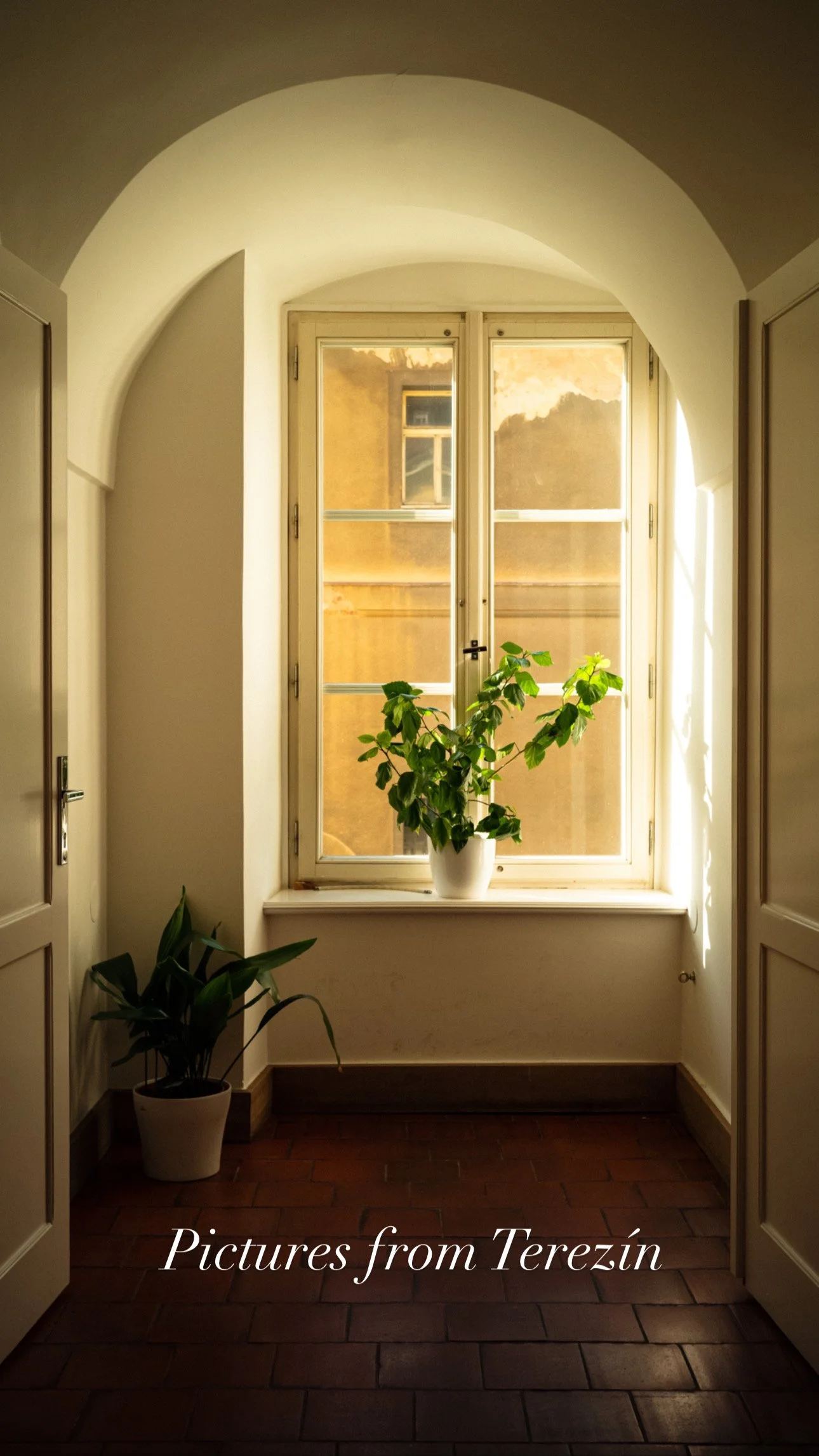
Pictures from Terezín

Terezín concentration camp,
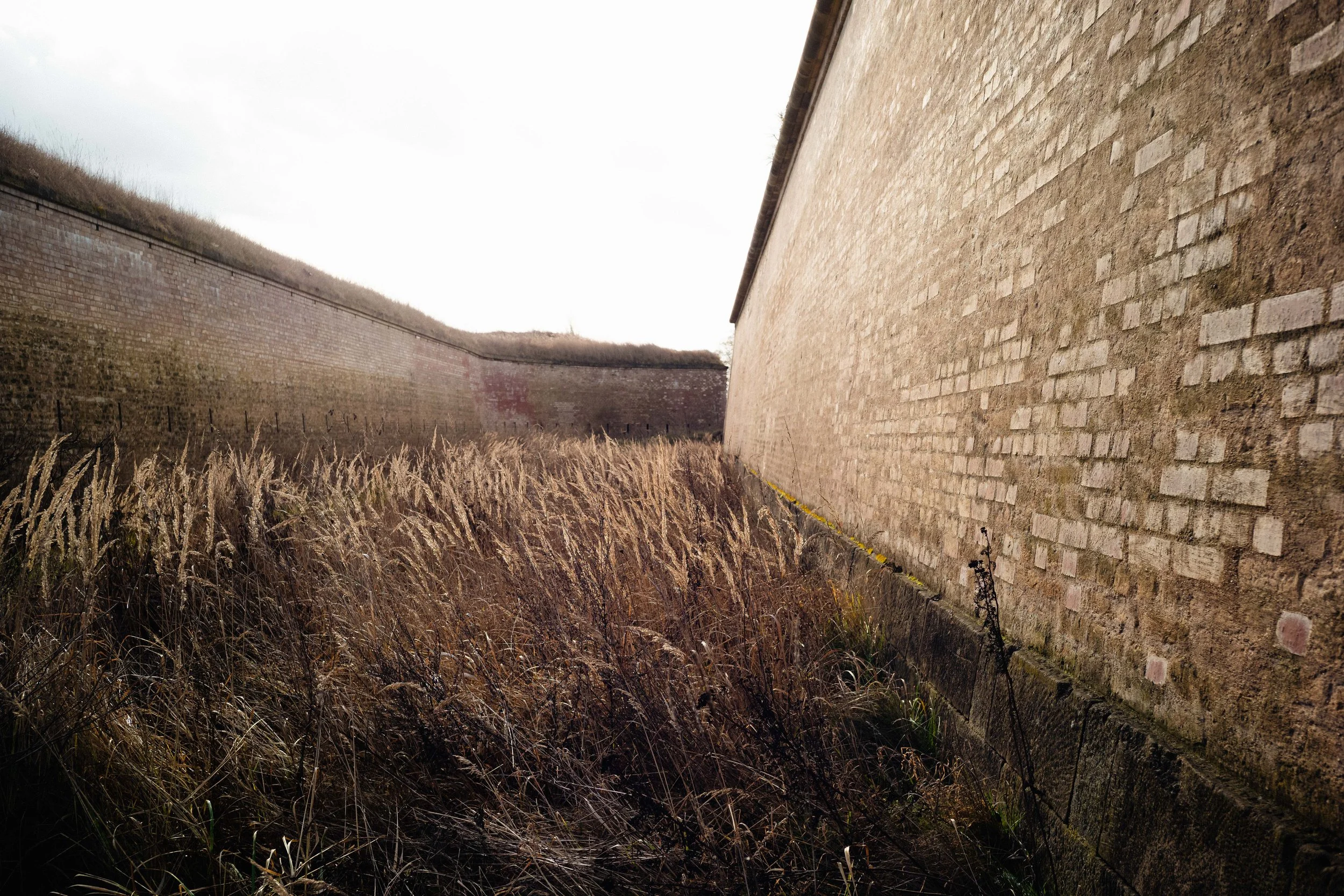
Not as famous as Auschwitz, but made just as impactful by the musicians, artists, and professors imprisoned here, as music, theatre, and seminars were allowed to continue with relatively more freedom.
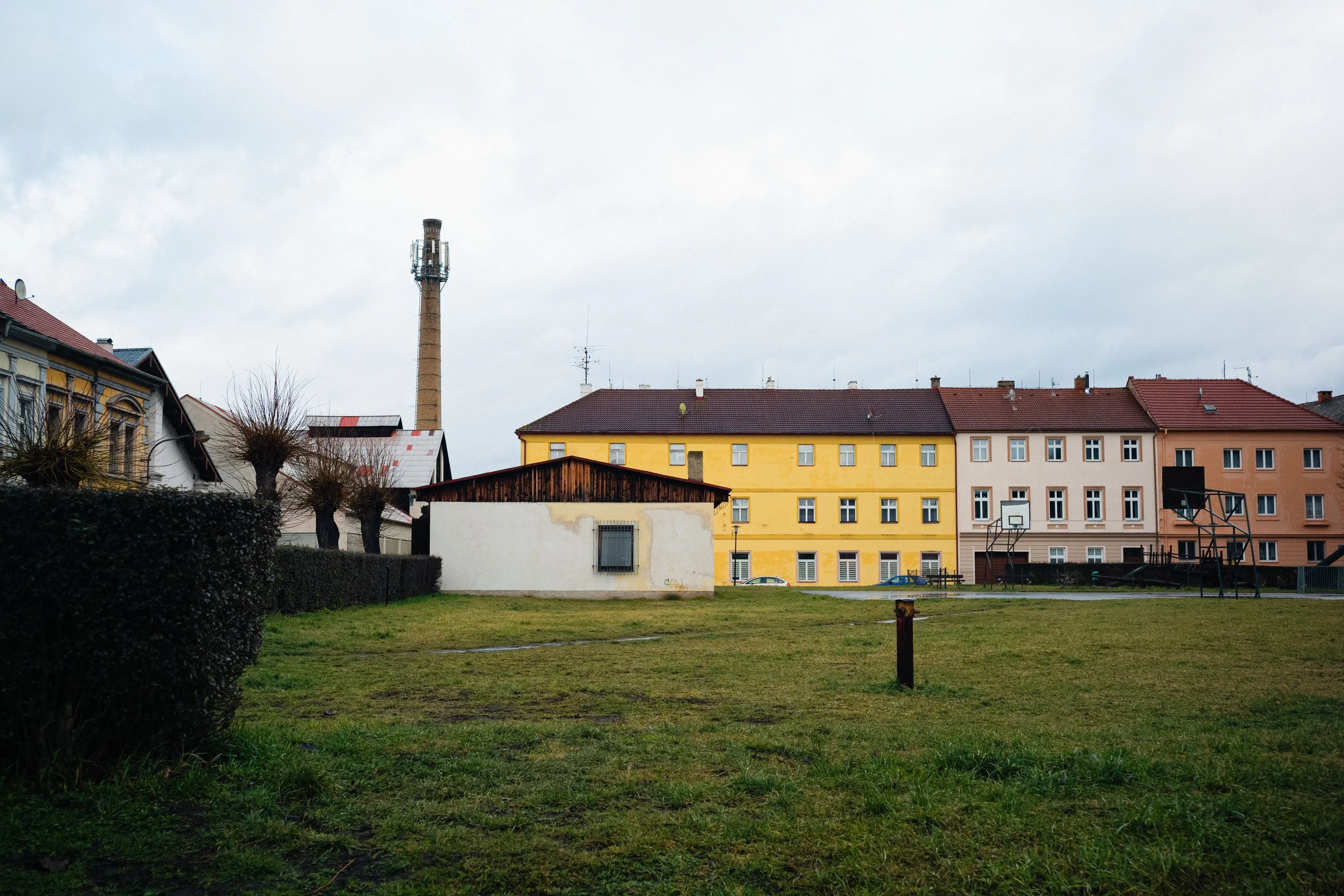
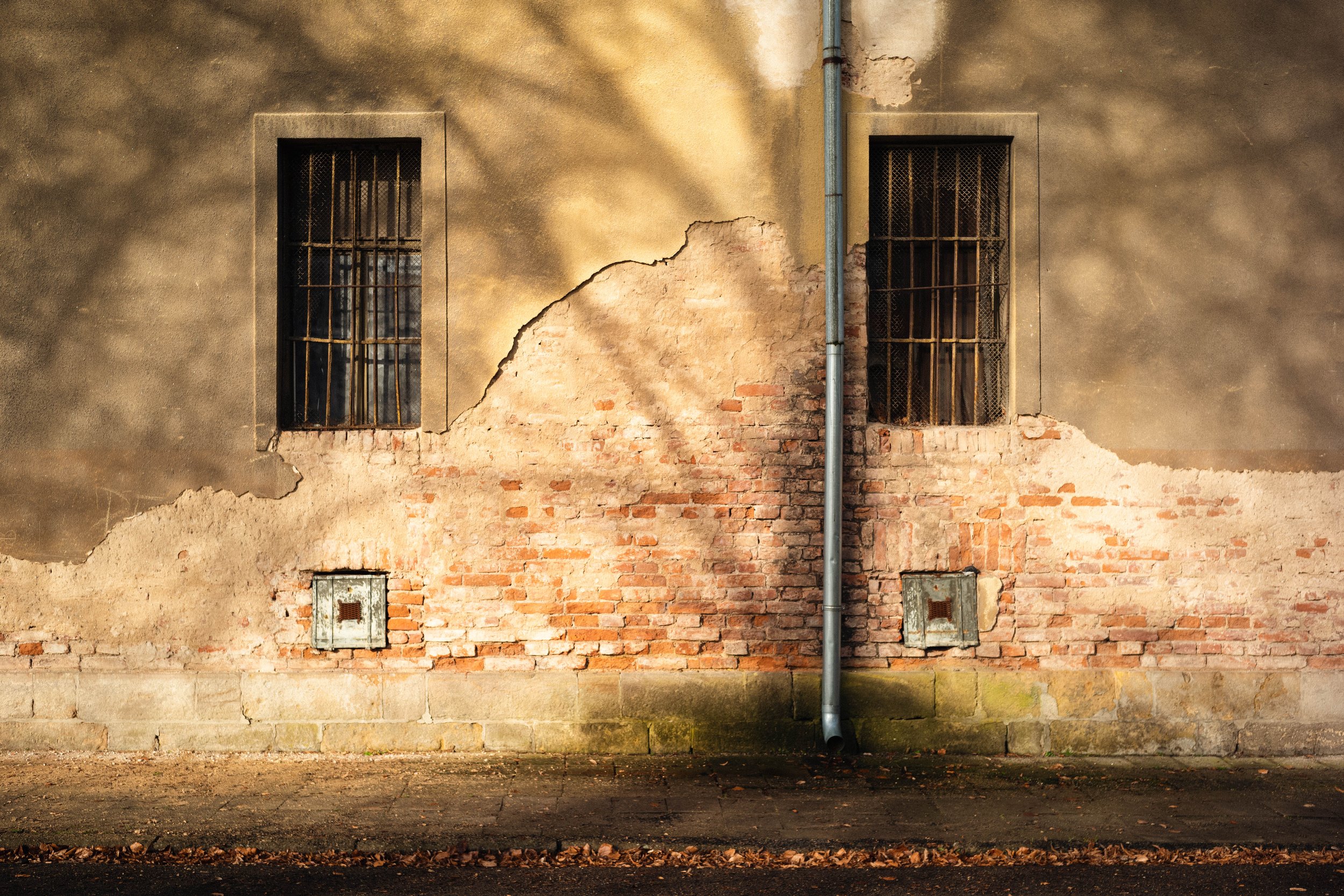
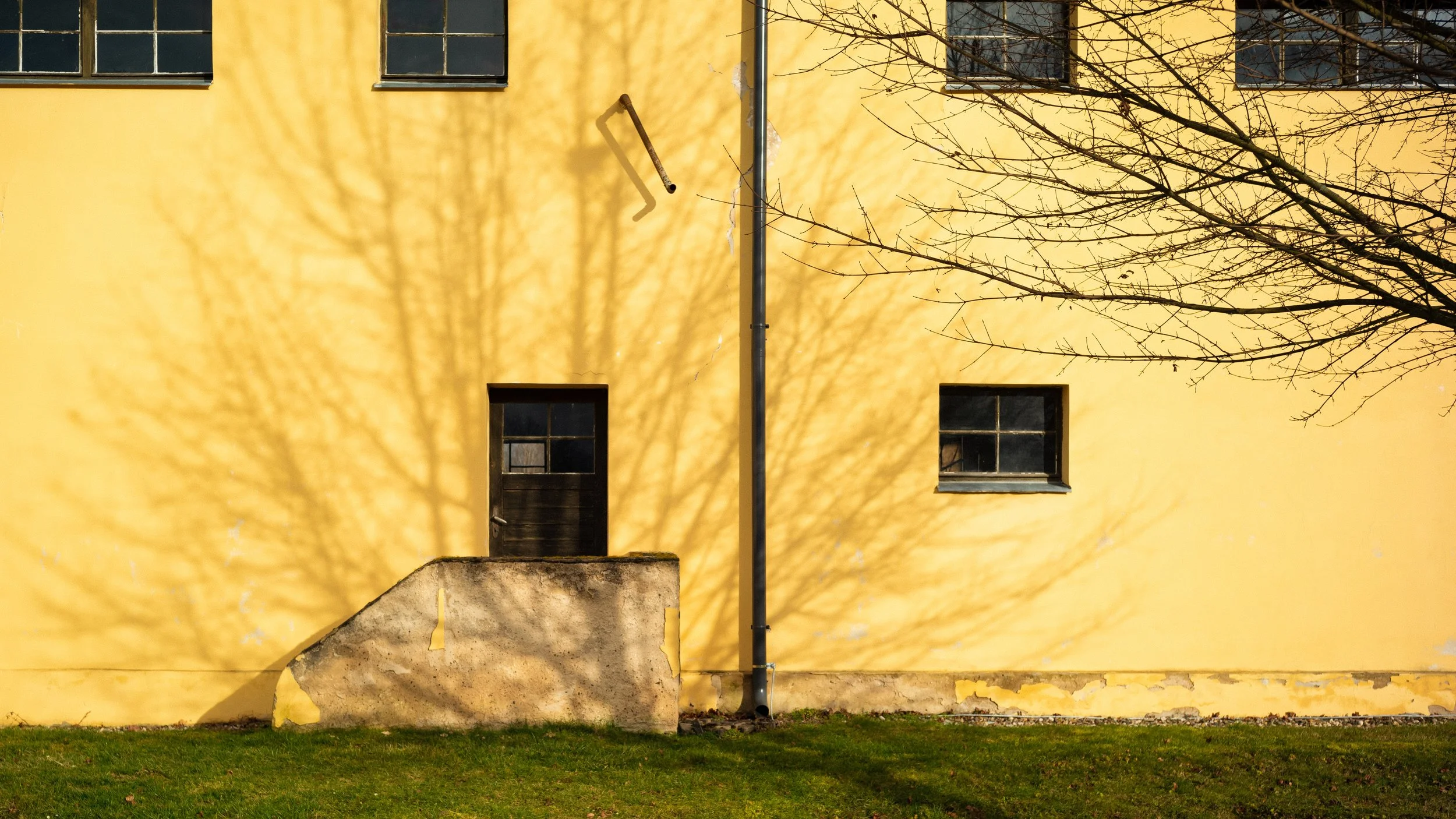
The Nazis seized the opportunity to use the camp as grounds for propaganda filming, and as the largest theatre set to the Red Cross International Committee.
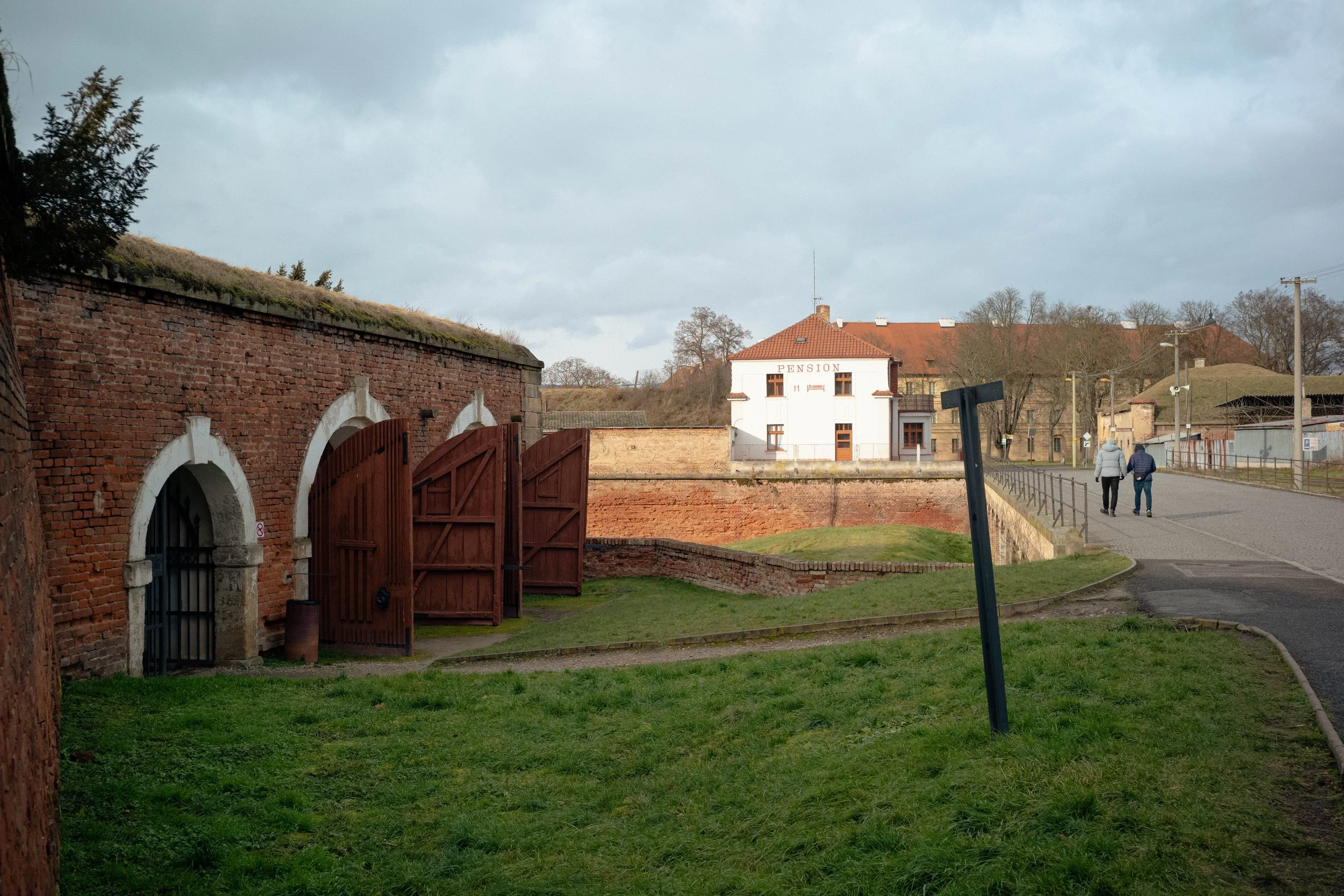


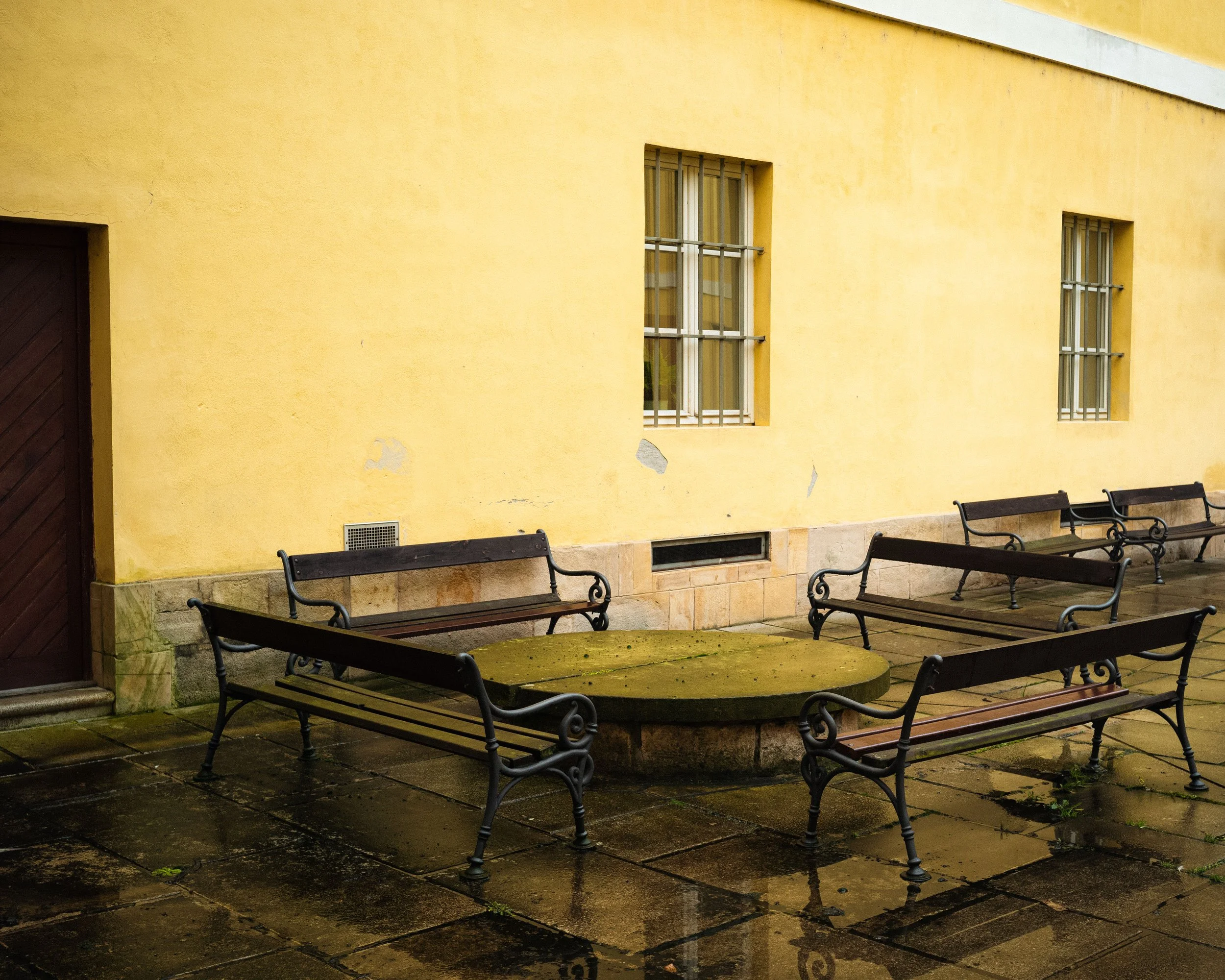
Some prisoners,
Illustrators, painters, cartoonists,
Were forced to create illustrations that beautified the camp.

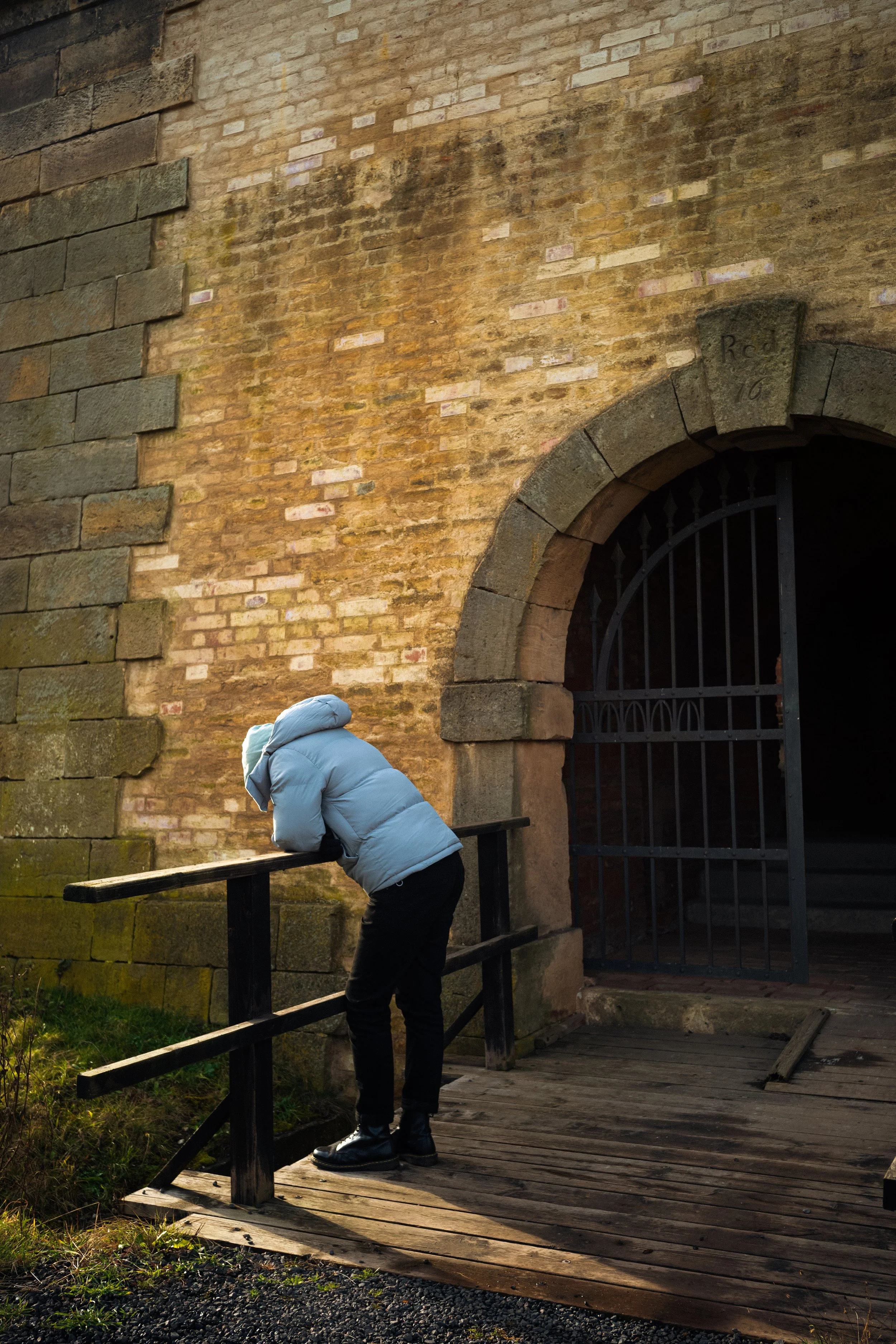
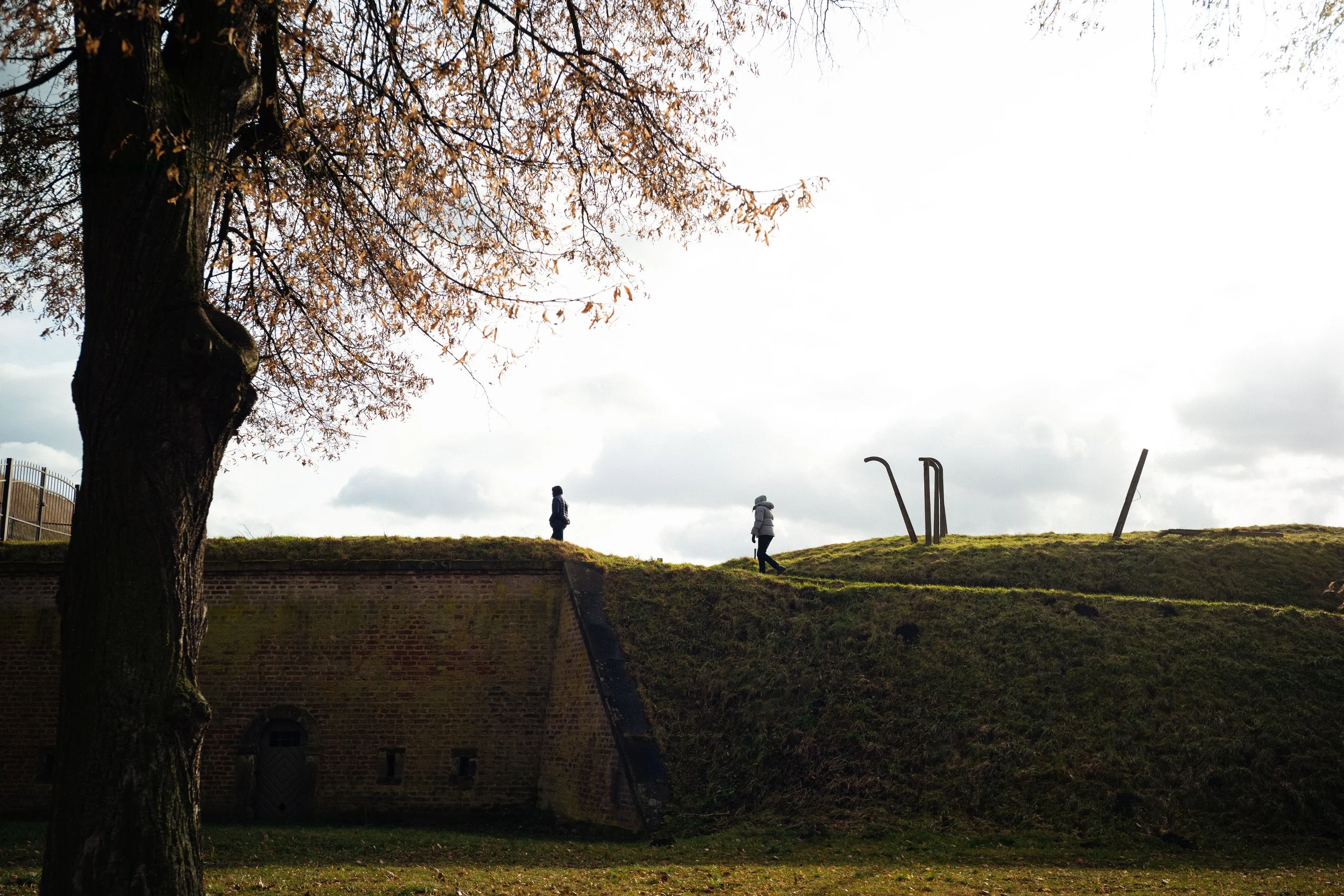
These were released as postcards,
with the title:
Afterword:
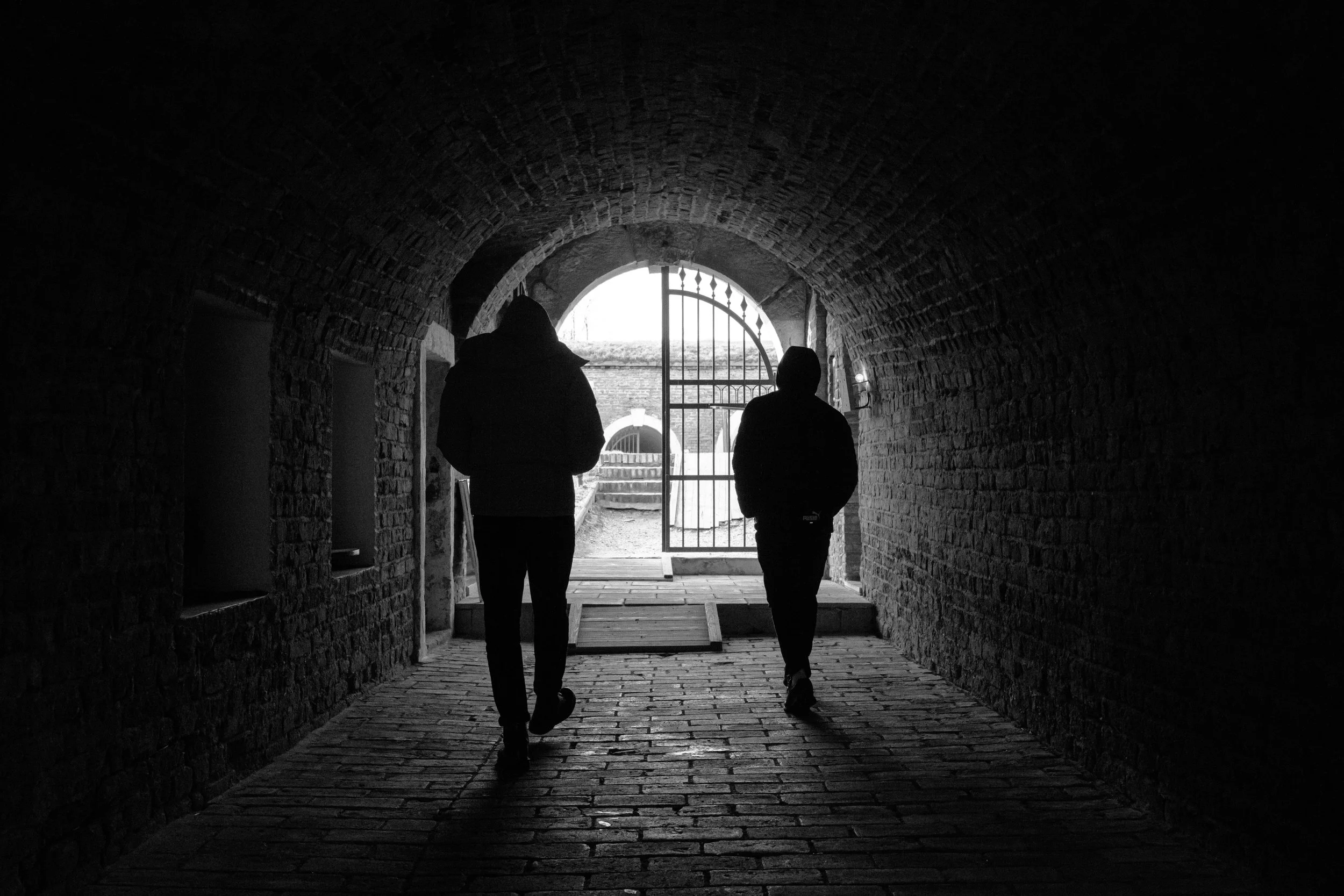
A western society would look on this and see only history, remarking that this would not ever happen again.
But join any institution and it’s apparent the spirit-of-pretense is still alive.
This is not a remark about how far institutions fall from ideals. This is about their inability to come to terms with who they are, and the fear of secrets being uncovered - a reflection of the men at the helm.
I don’t pretend to be a good man. I’m not. But I’ve accepted myself, and I’m determined to be better.
This is neither a call for transparency - institutions should keep a modicum of secrets, as should the people practise their ability to analyse.
If you feel shame, don’t hide your past. No don’t need to confess, either.
But Be better.

Personal - Prague
“The better you look, the more you see”
“The better you look, the more you see.”

Fern
Travellers and residents alike - passionate, expressive, and multi-faceted - dressing well, and enthusiastic for the scene.


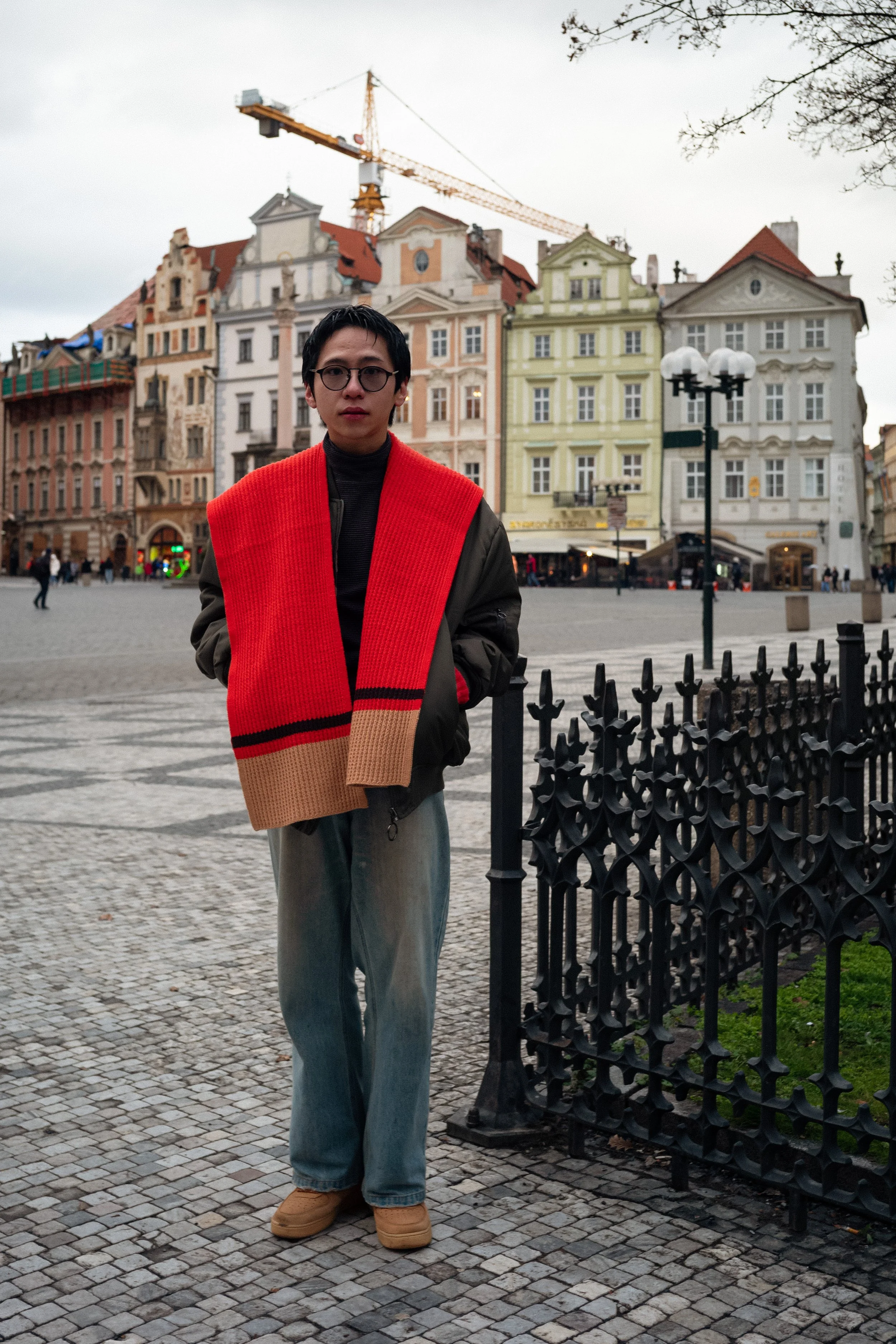

The landscape beckons plans to be abandoned - with friends around every corner and no dead-ends.
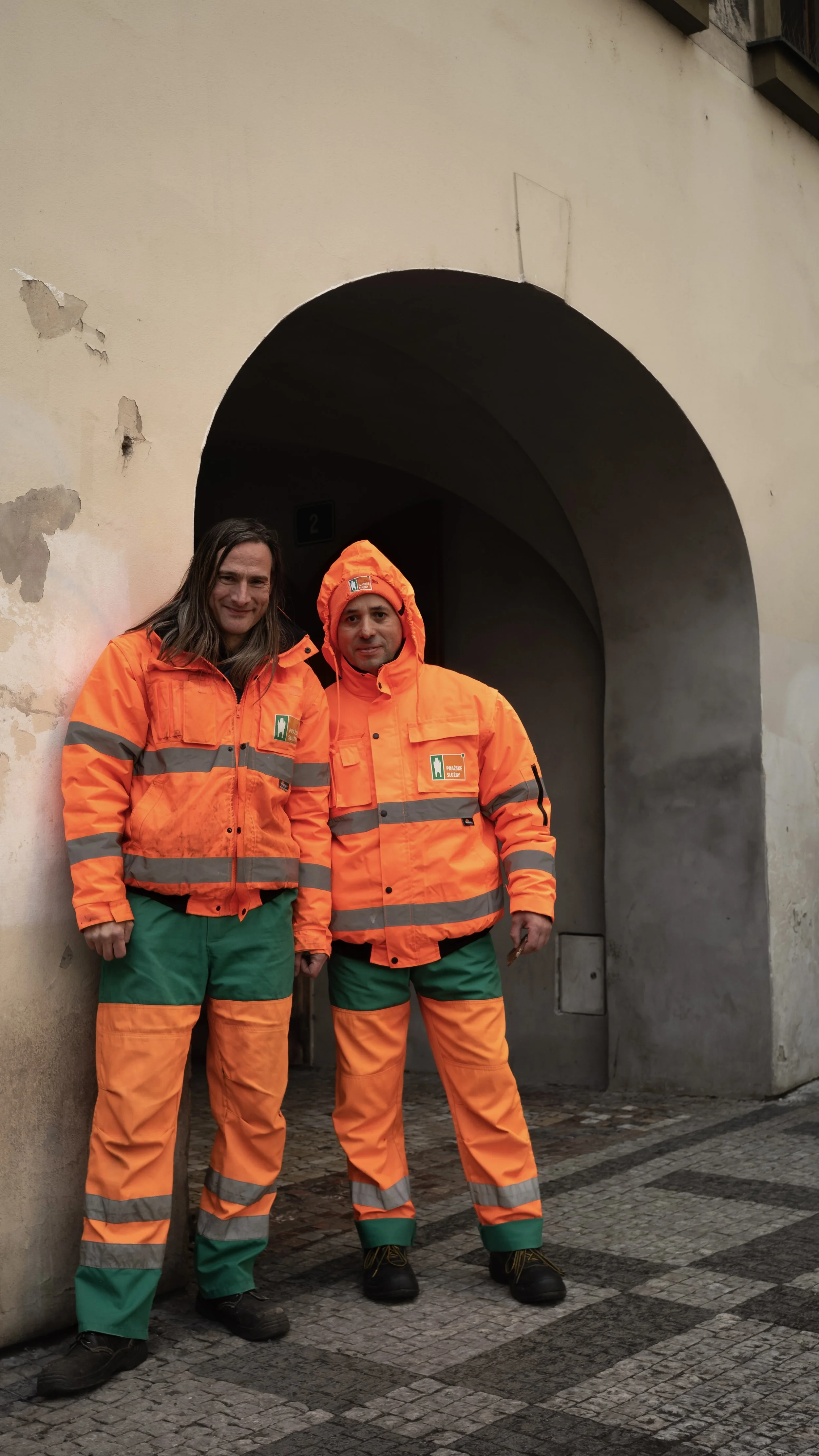
Zdenek Andrst, with a passion for videography, shooting Blues/Jazz/Souls bands through the nights.
And the bar…
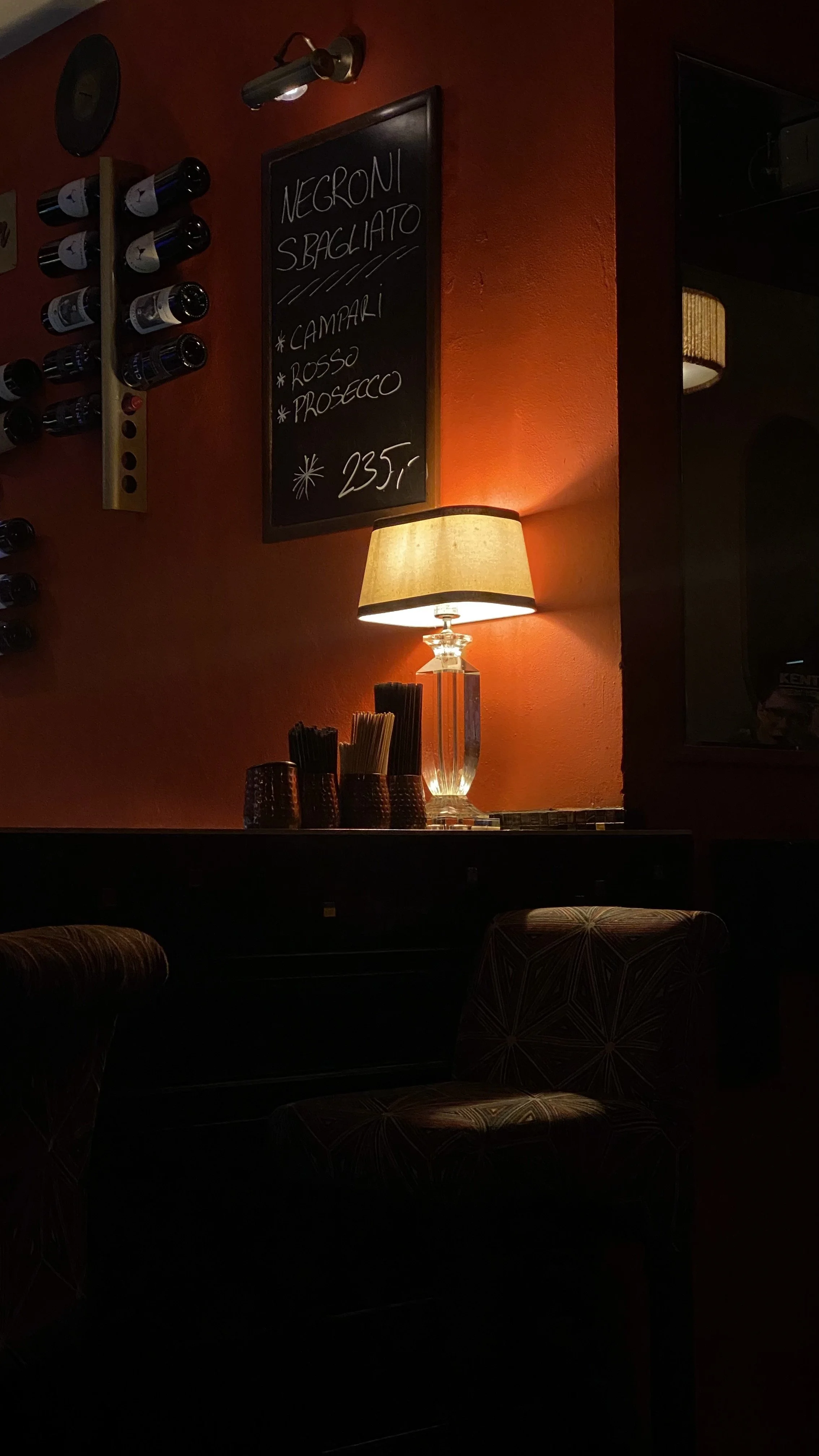
Open ‘til 03:00, with or without company.

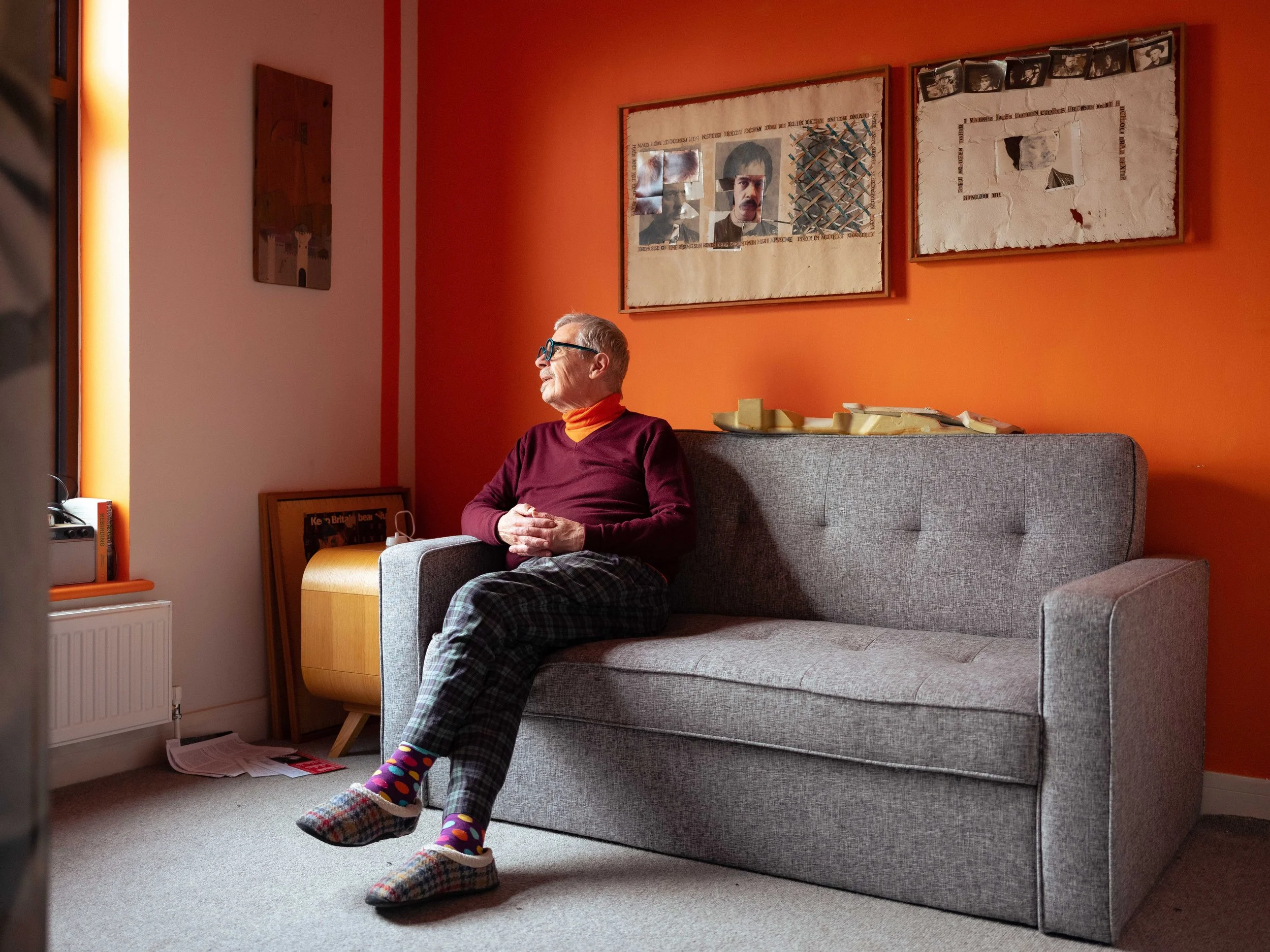
Cameron Scott
coming soon…
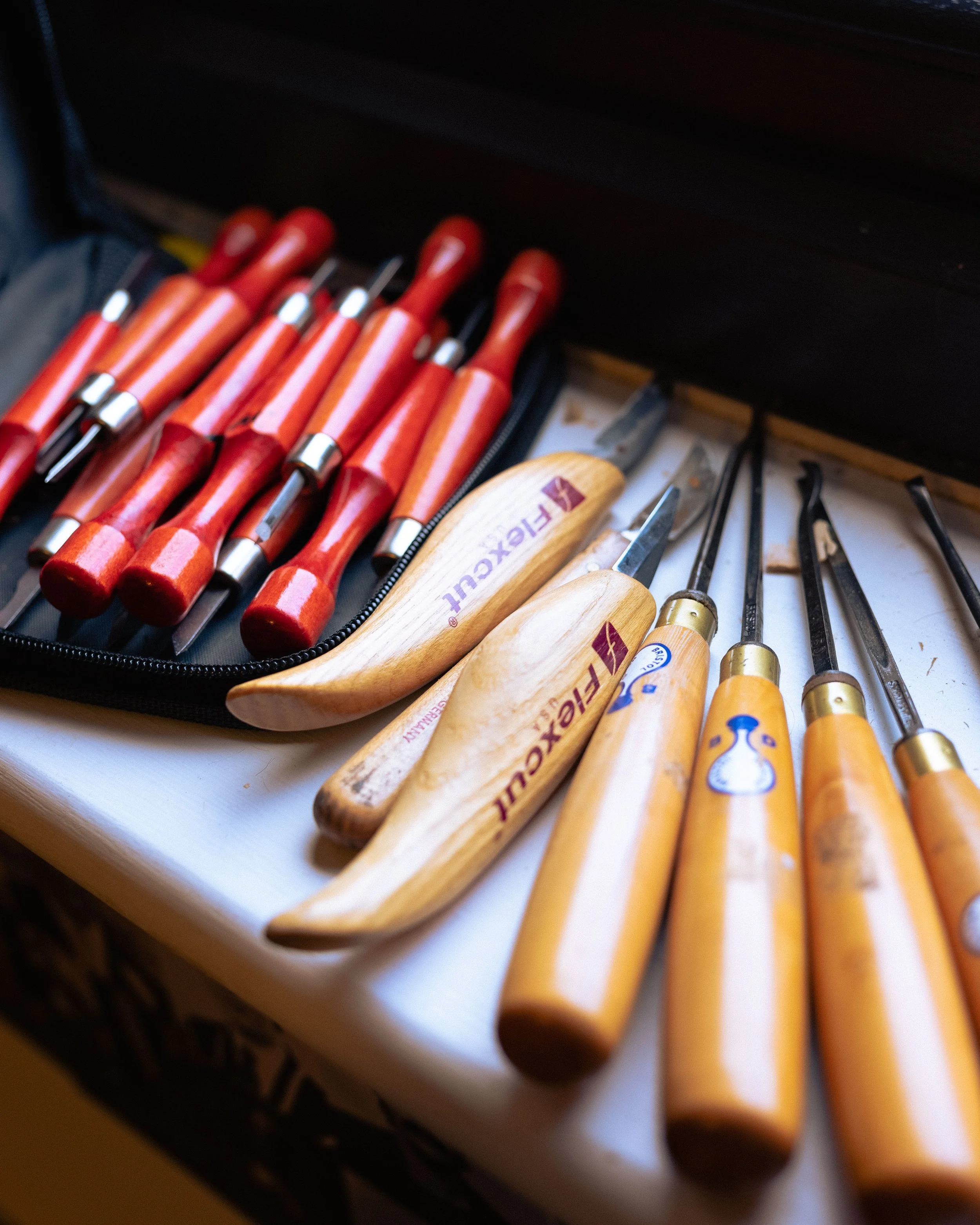
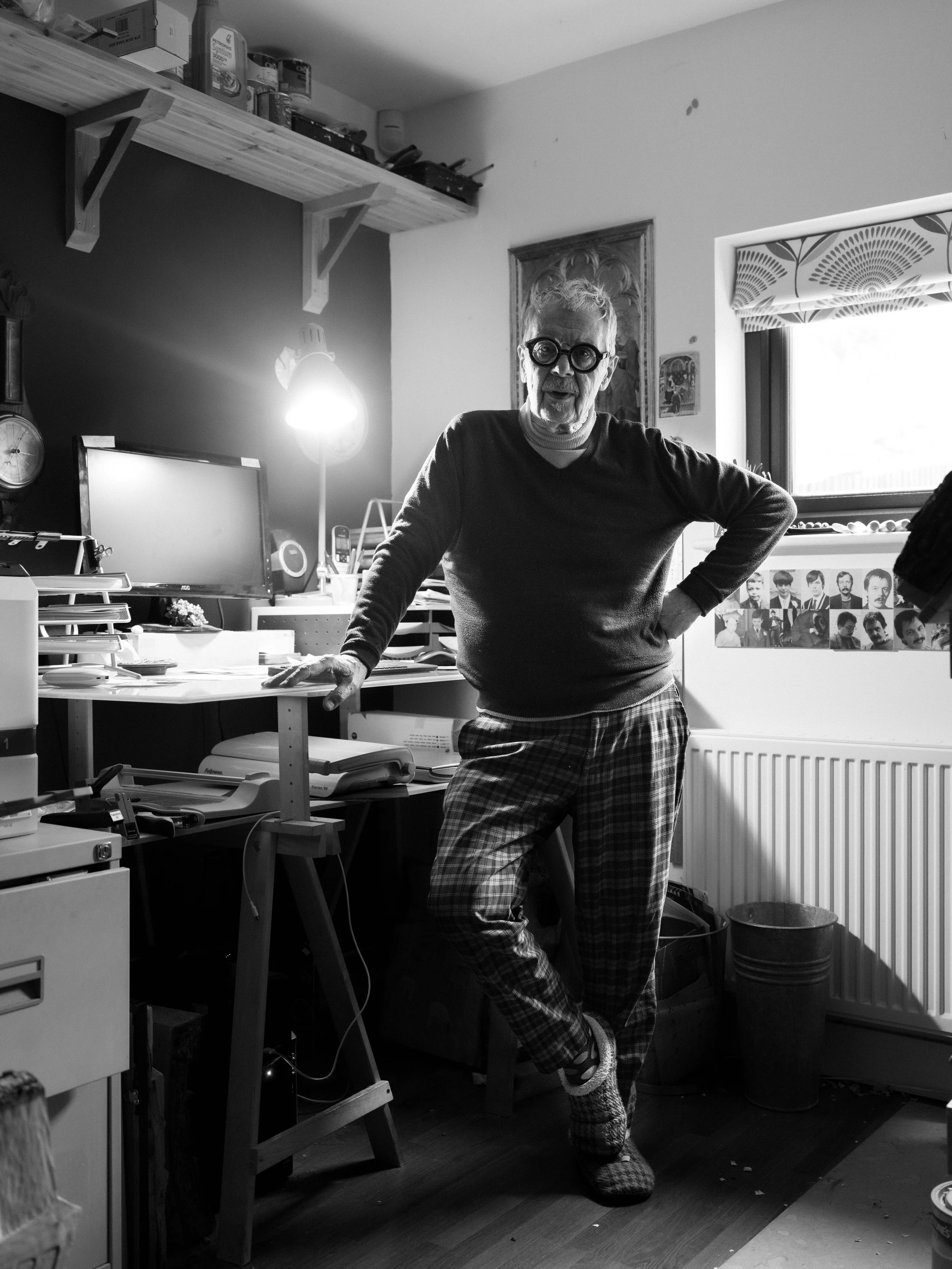
Stepping into Cameron’s studio, the center of mass of the room leaned towards his tools and easel, flushed against a singular source of natural light.

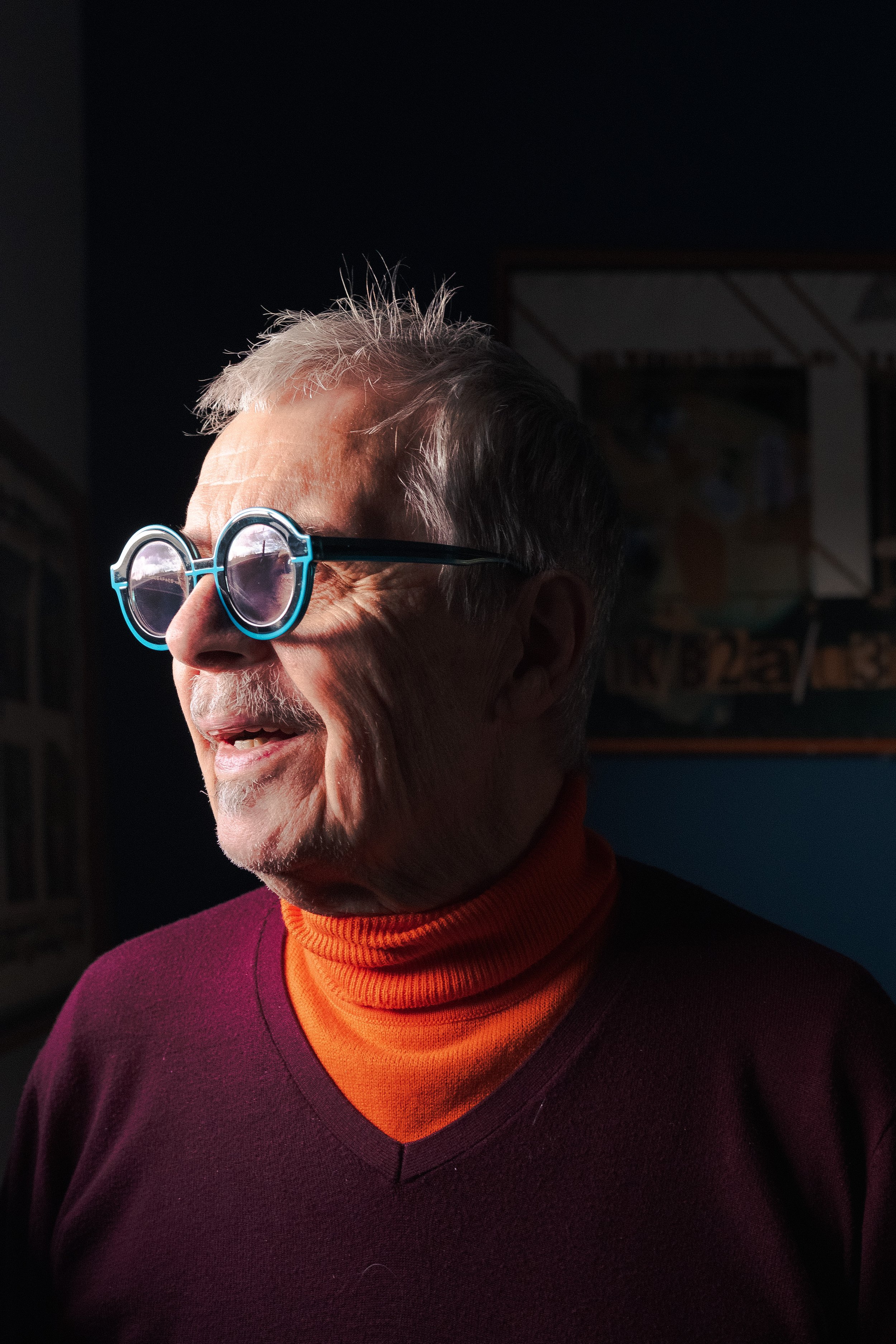
[Cameron’s close-distance glasses, nestled among his other tools.]
Chisels, knives, and gloves lined the windowsill. Organised in sets, but disorganised within sets - it was clear one tool was swapped for another, fast and frequently.

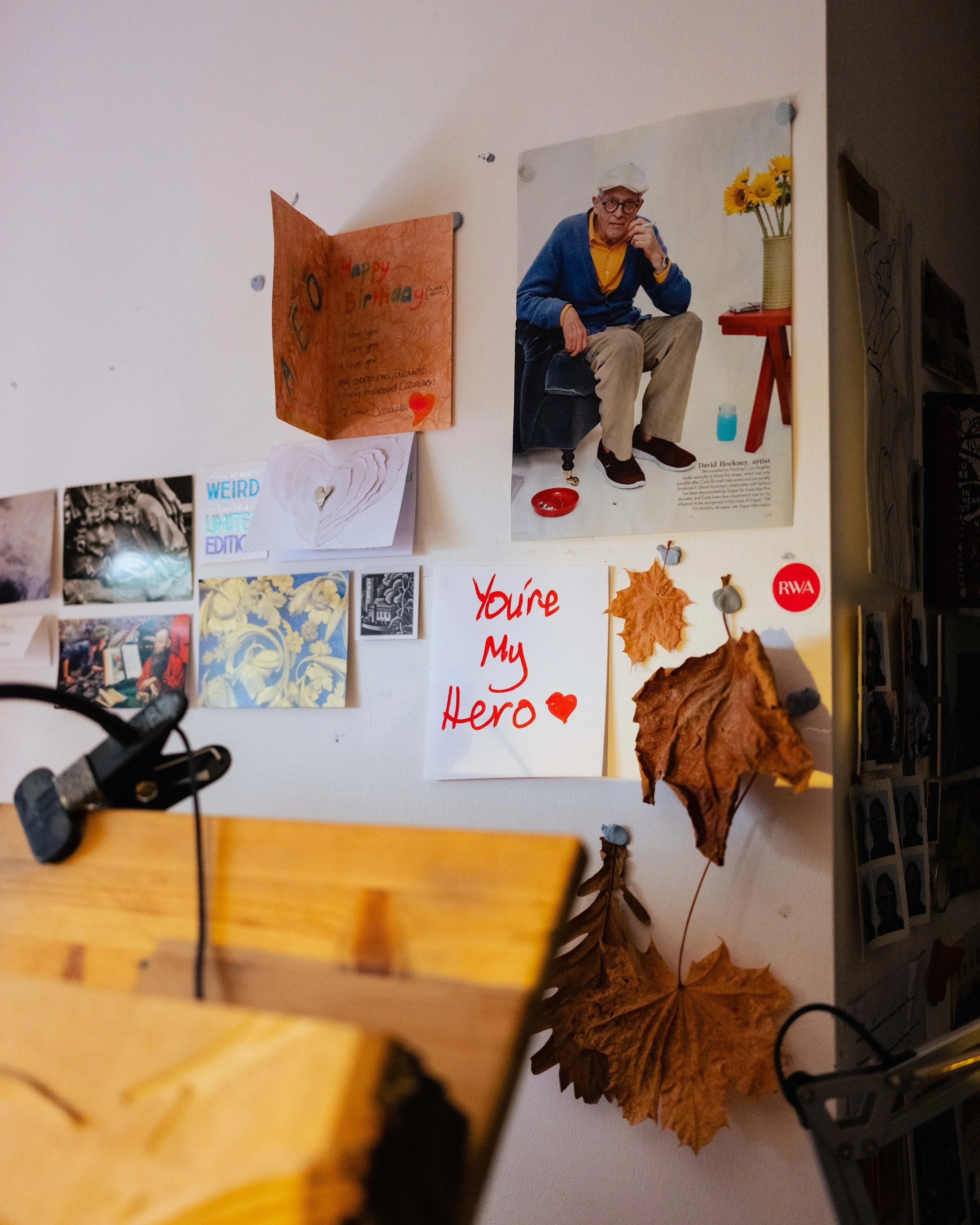
Cameron appreciates working with the soft light of day, as his works rightly deserve.
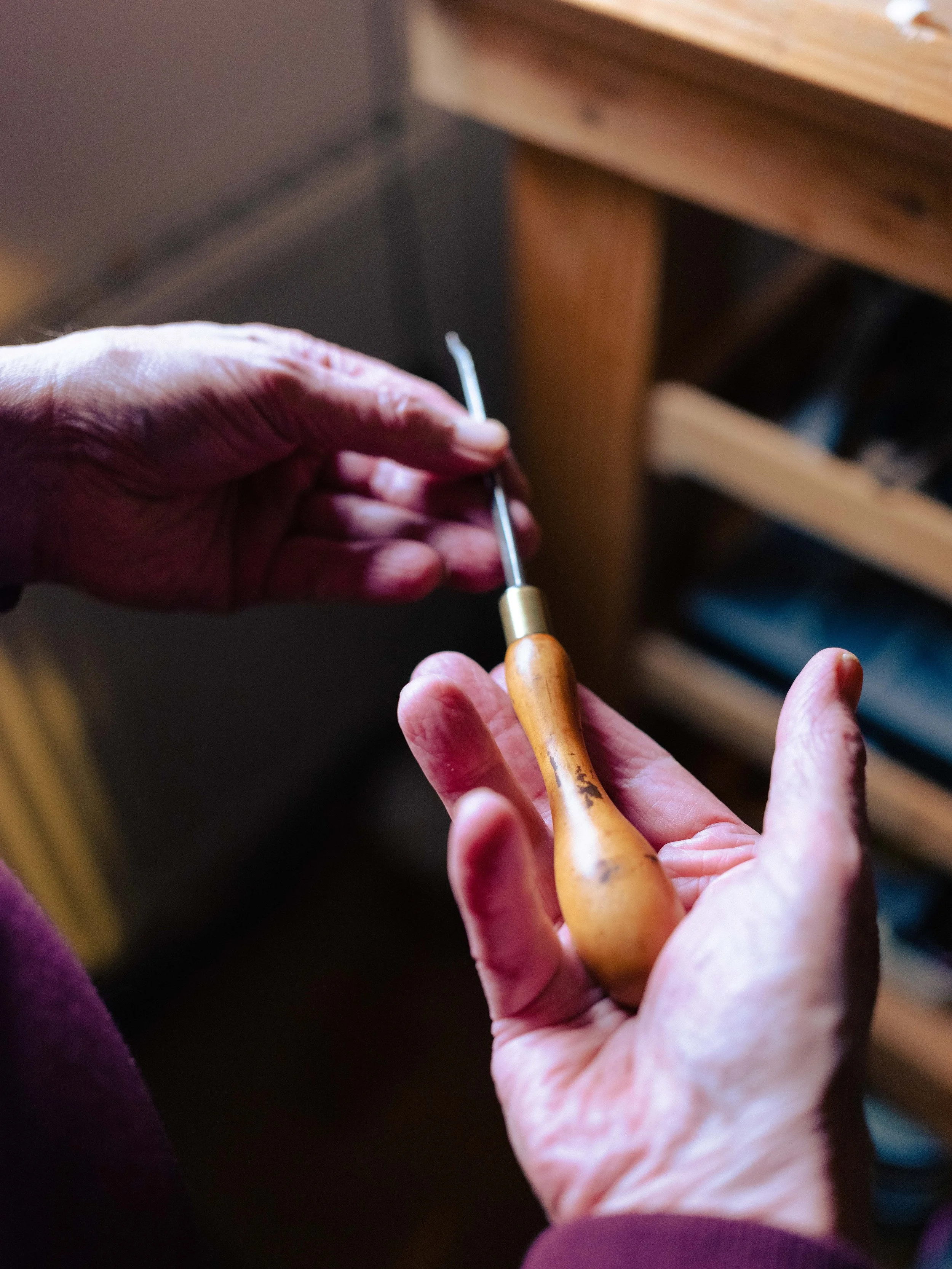
He selects a tool seemingly without thought - a reflection of experience - and the handle slides assuredly into his palm.
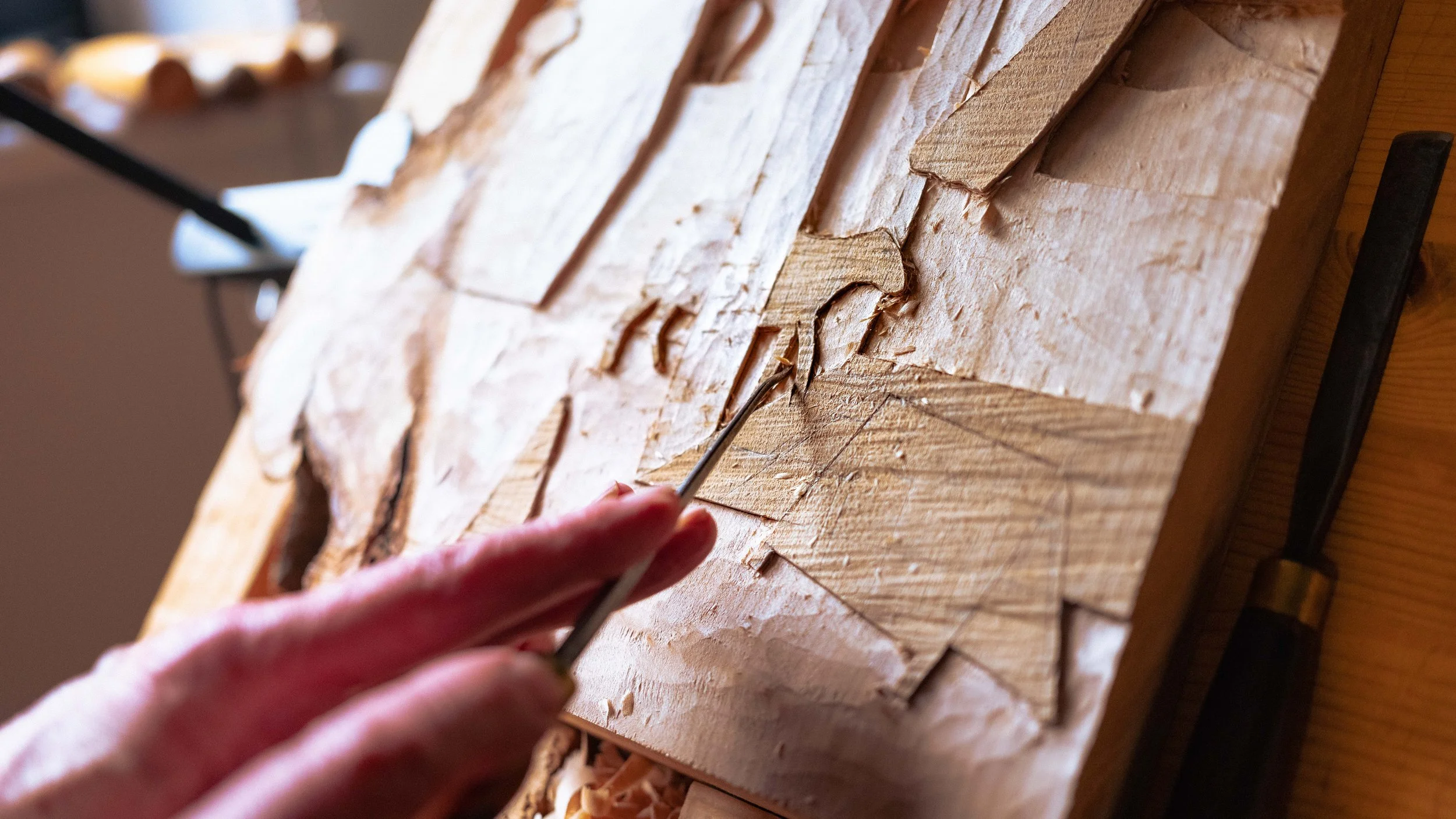
The purpose of this chisel strong in his mind, he pushes it against the wooden surface, carving within tight tolerances.
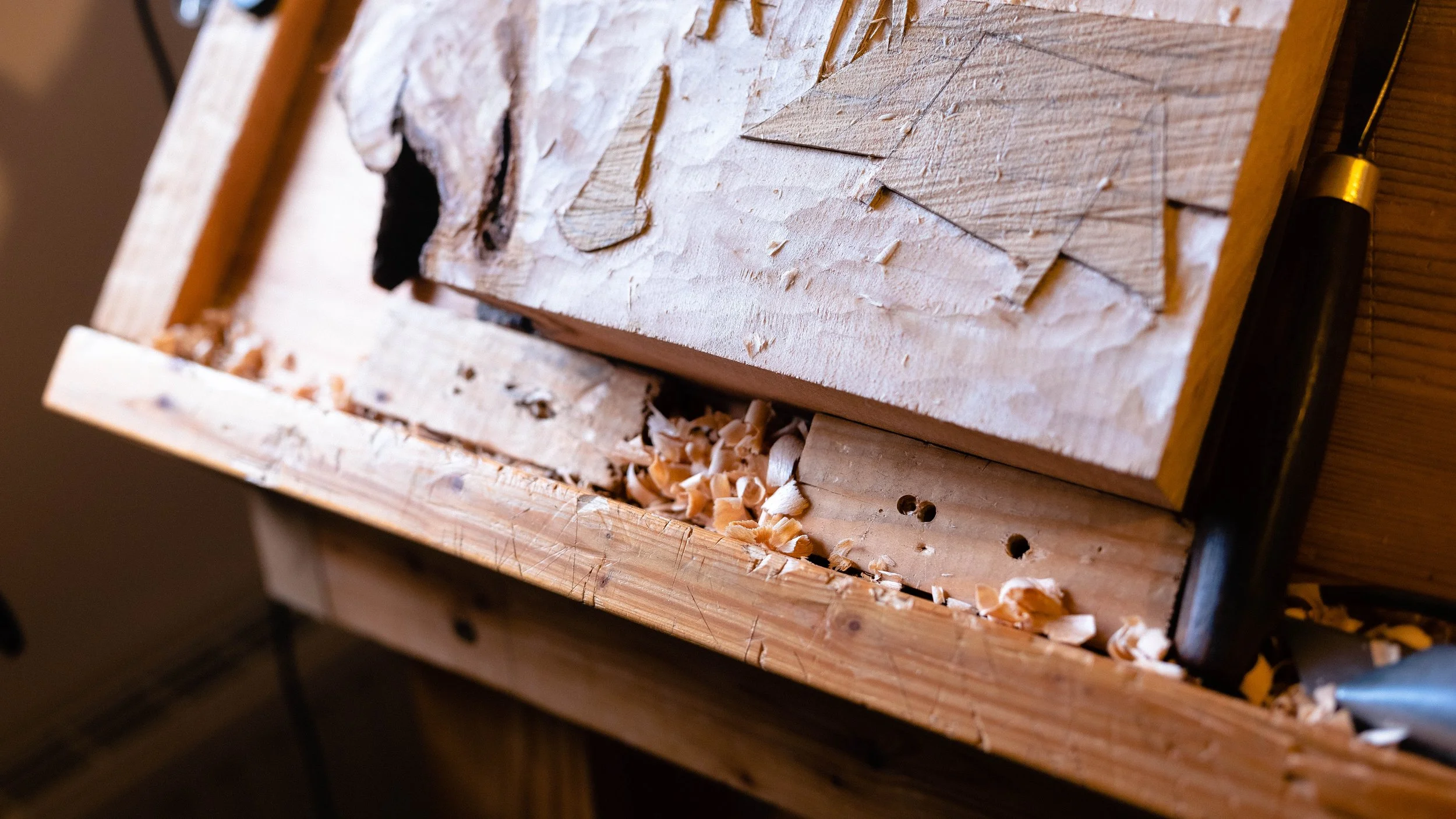
shavings glide off the block. and pelt the floor.
there is no other sound.
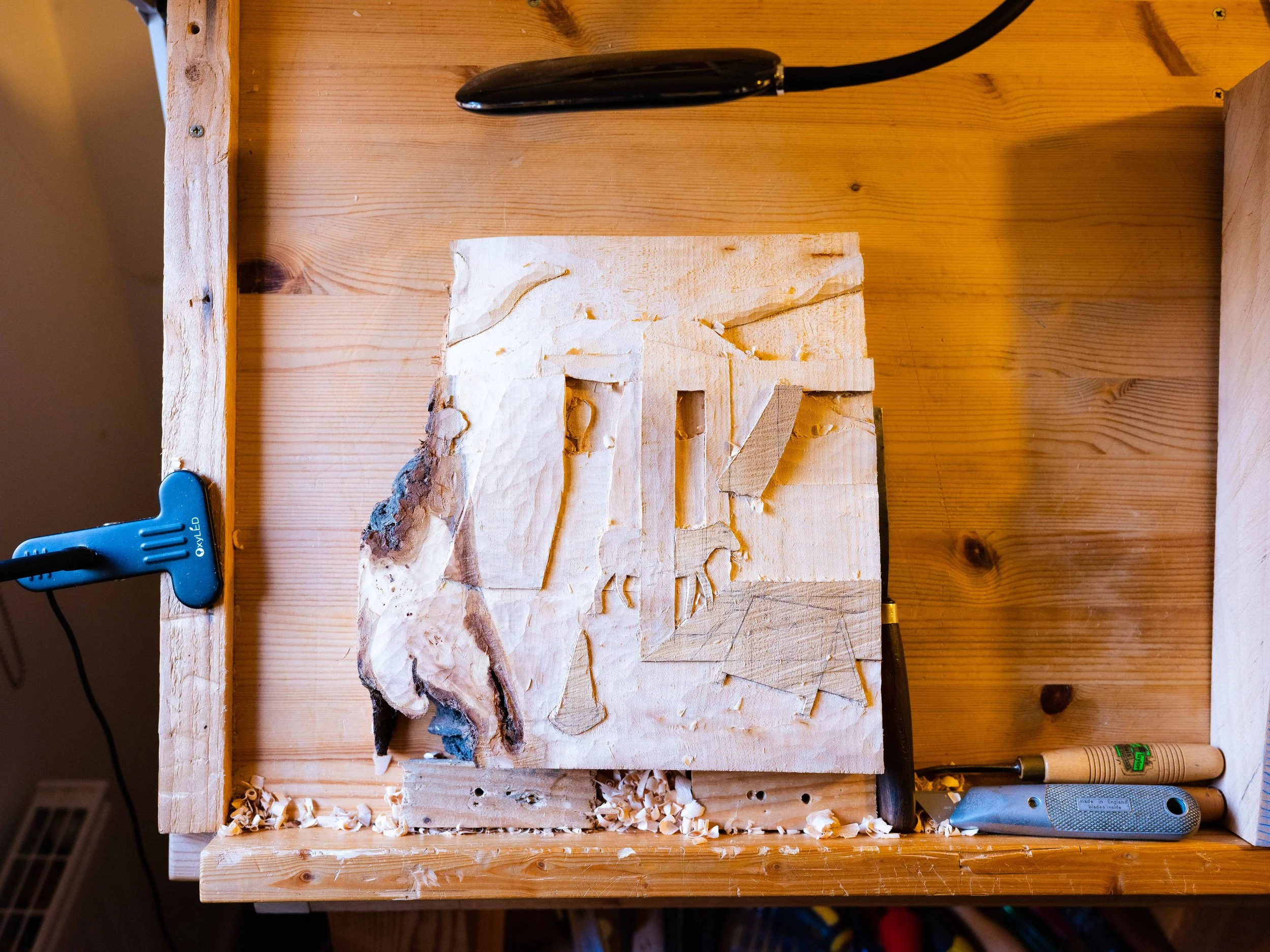
Science was far from my mind the afternoon I visited his studio. Commitments and worries too.
The small workroom represented his love for the cycle of artistic creation. The larger multi-storey house, his success.
Sharing stories of creative blocakge and frustration during his decade of corporate work, it soothed a part of me too.
And, as he explained his works, I was reminded again: to focus on the process, not the reception.
Yallah Gaballeya - Sinai
“Behold - the mountain of God, who welcomes those who repent.”
This post is Part 2 of my experience with Gordon in Egypt. Click here for Part 1.
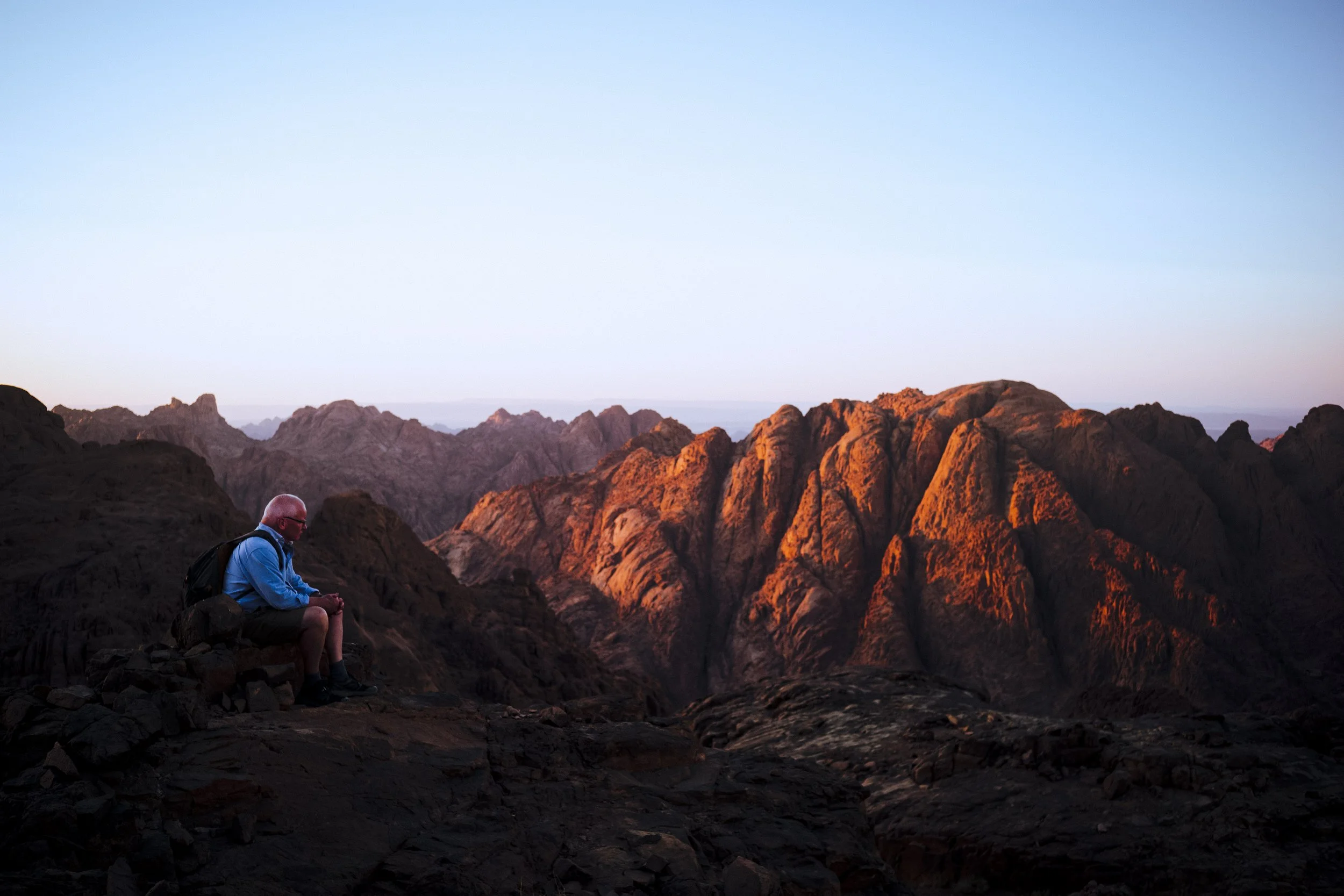
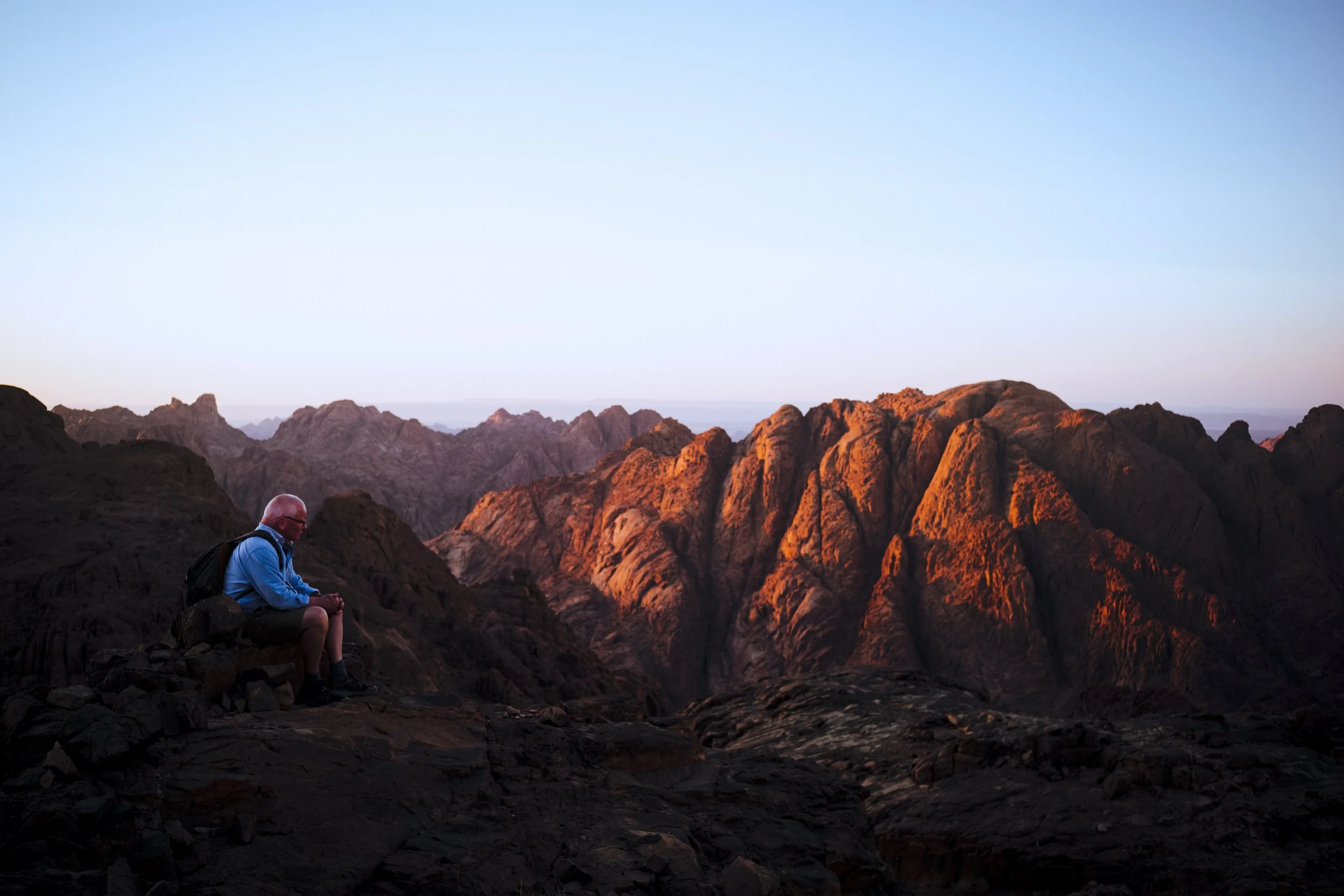
Jebel Moussa at Sunset
Gabal Moussa -
Also believed to be the biblical Mount Sinai where Moses received the 10 commandments.
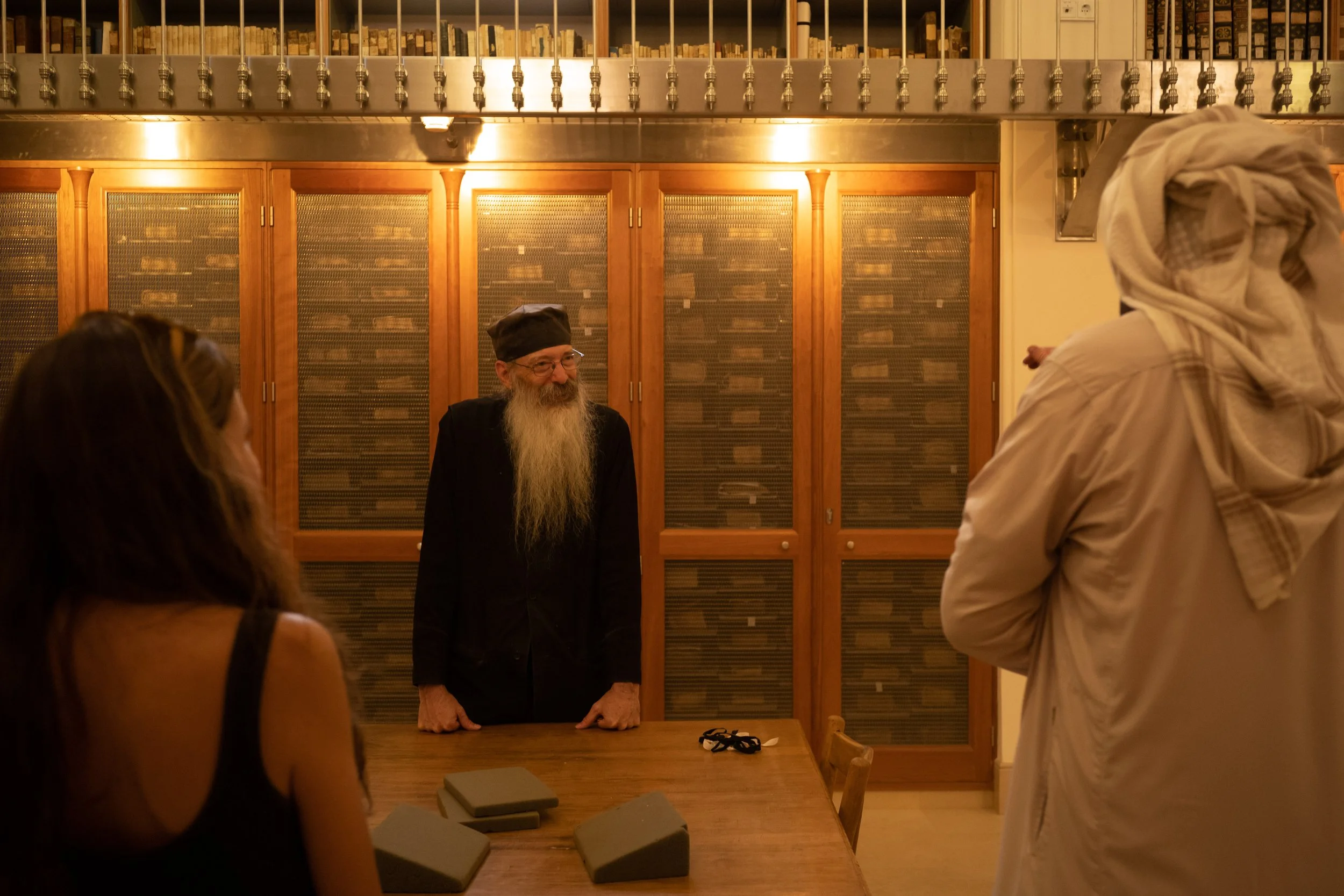
[Father Justin in the library of St. Katherine Monastery. The value of its vaults are second only to the Vatican.]
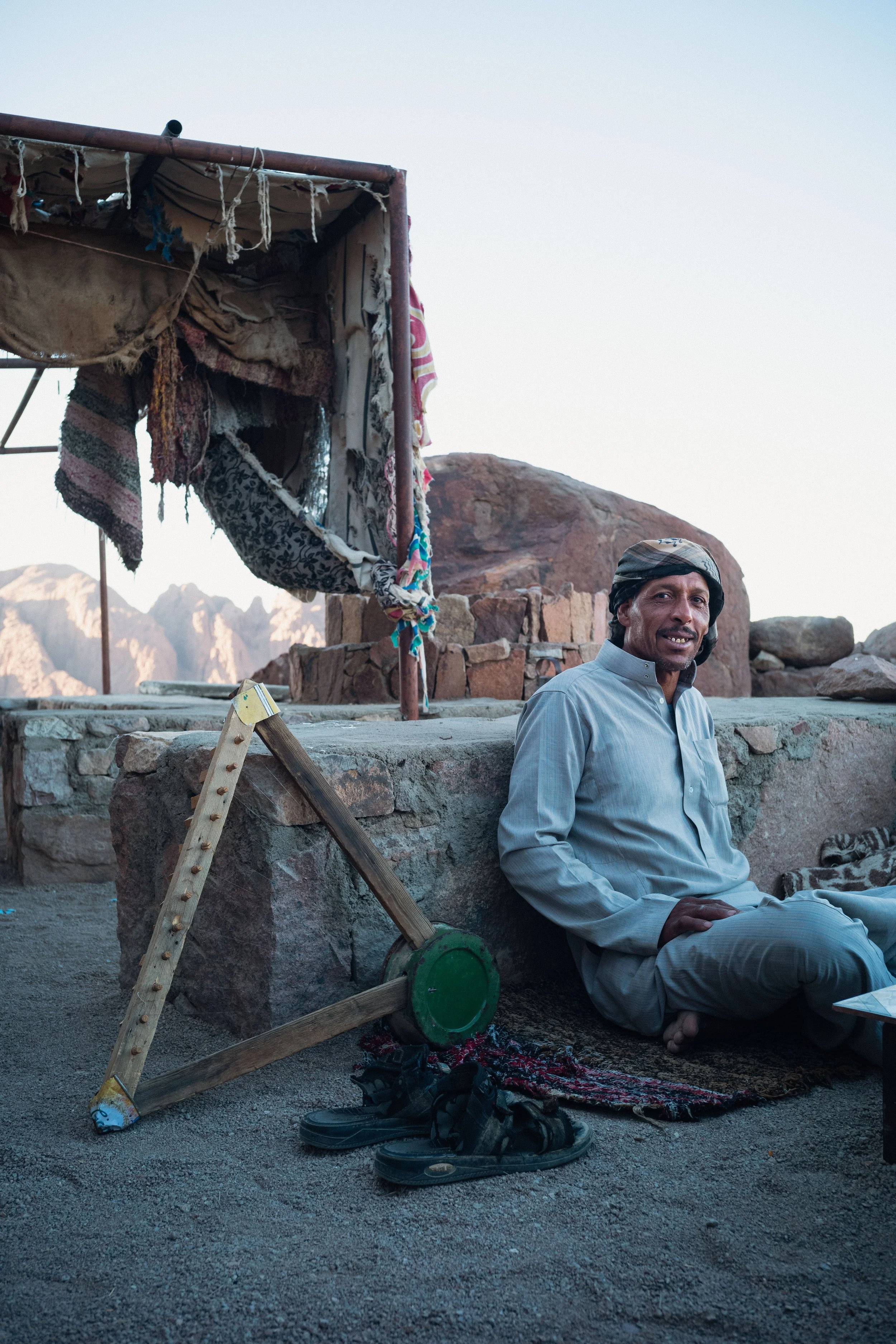
[The owner of a cafe by his instrument.]
Gordon has a long working relationship with the owner of the Farsh Elias campsite, built only a thousand vertical steps from the summit.
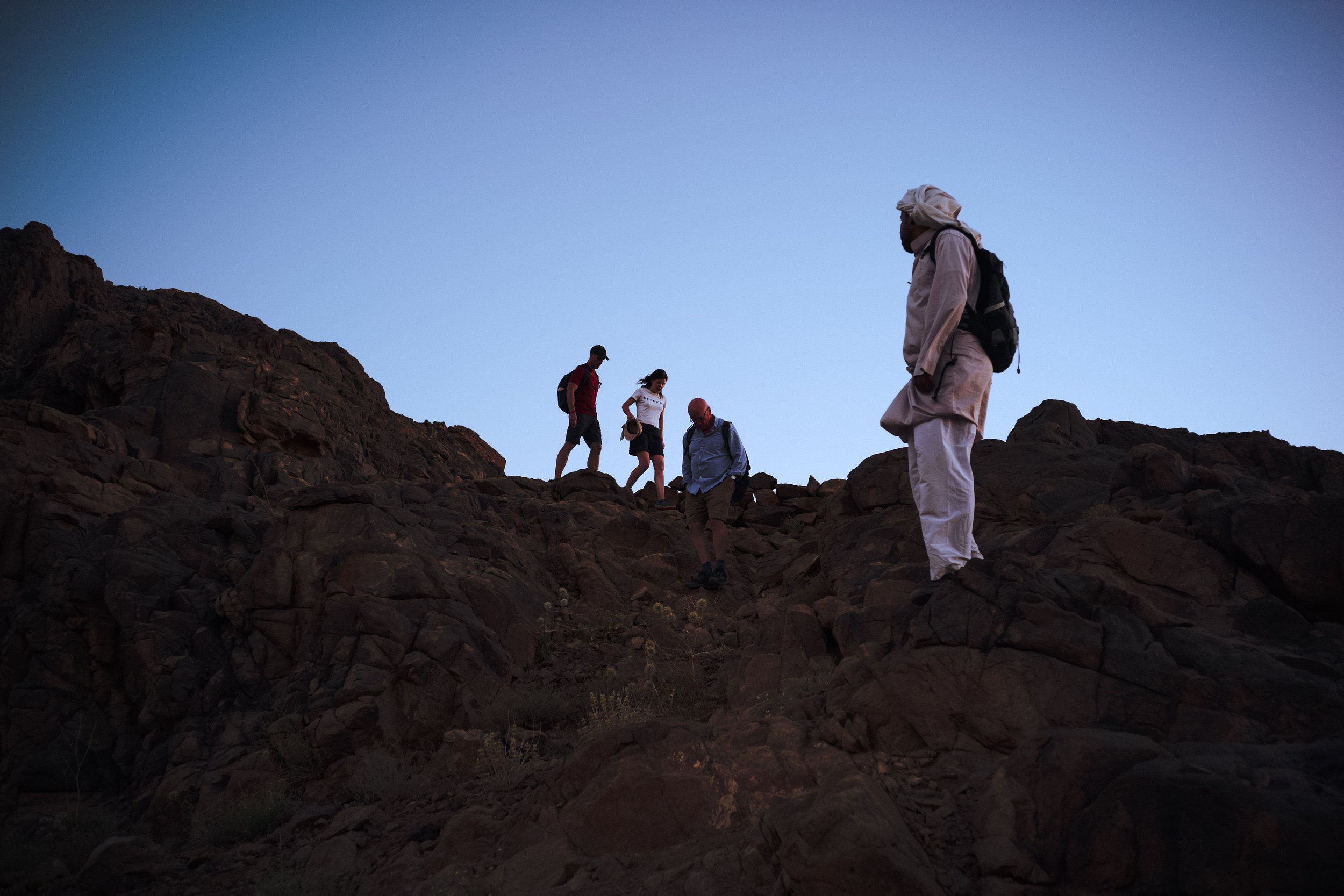
We descend upon the the campsite at sunset.
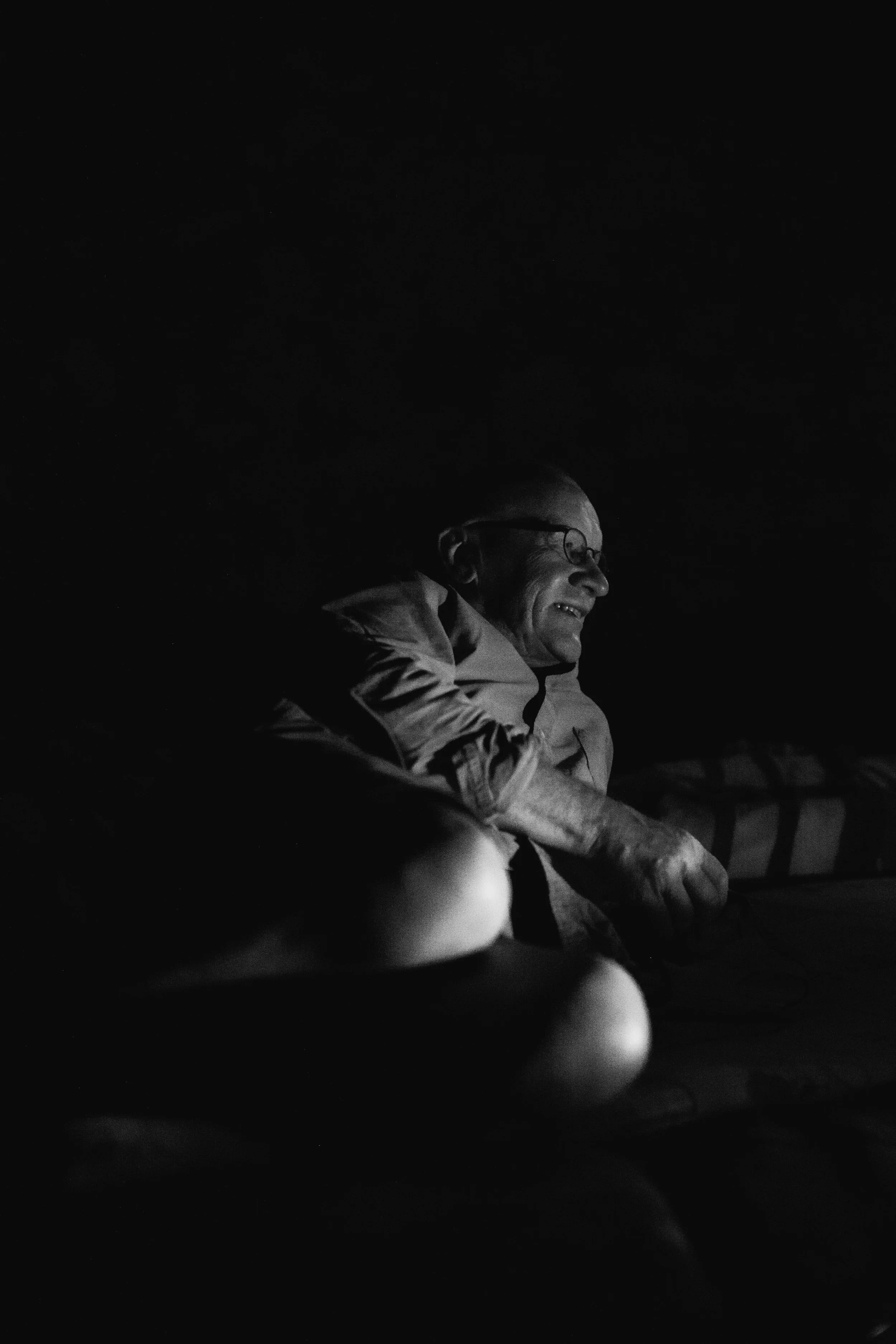
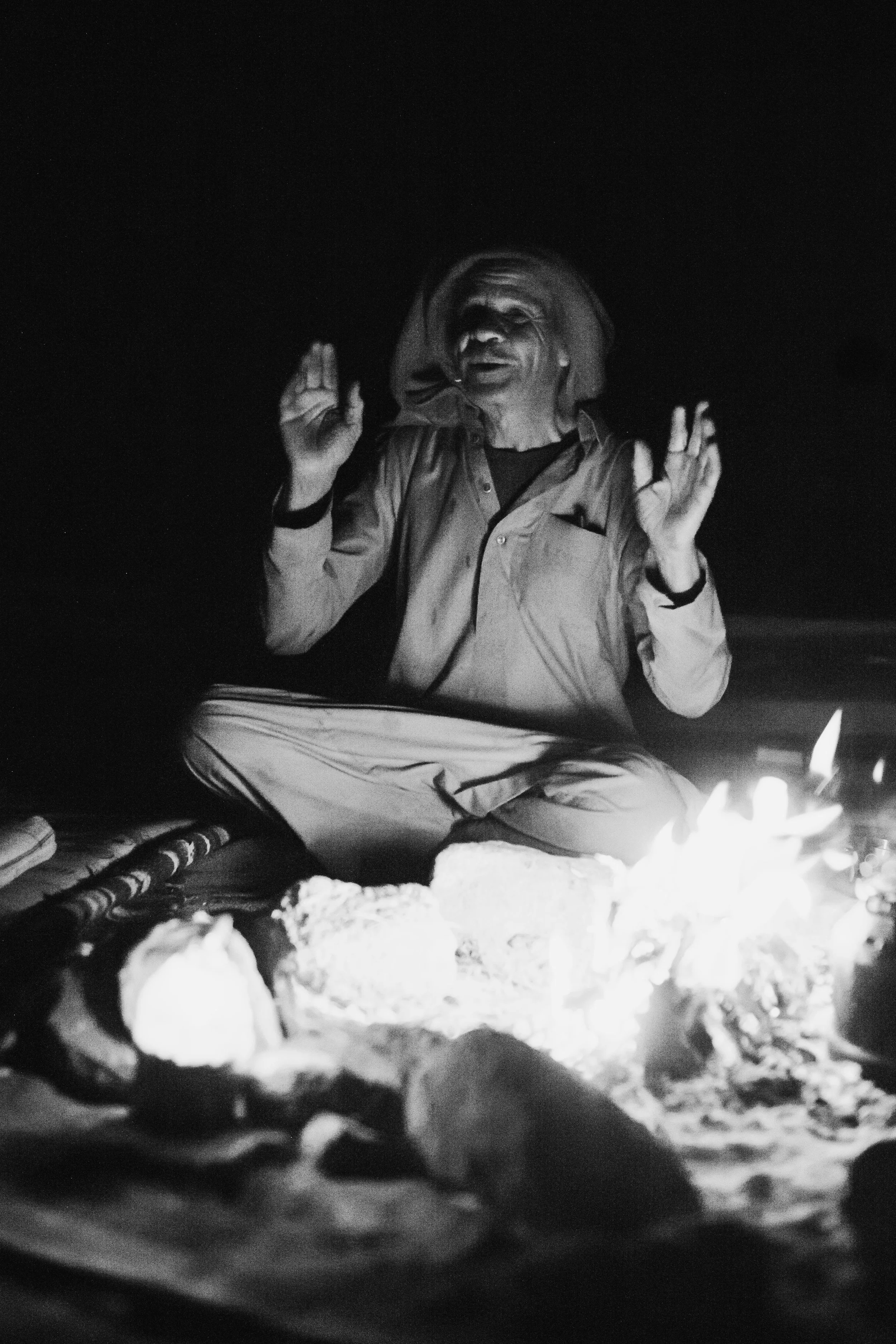
Yallah-Gaballeya operates the only camel school in the country. Its headmaster, Mohammad, teaches all the skills required for riding, care, and loading up for a long journey ahead - before customers can embark on a trek with their camel.
I was assigned Faraja.
(Faraja has 6 ticks on her, and would not mind sharing one with you.)
We spend noons under the Aresha, with fresh salads, grilled chicken and clean well water, provided by Mohammad’s family.
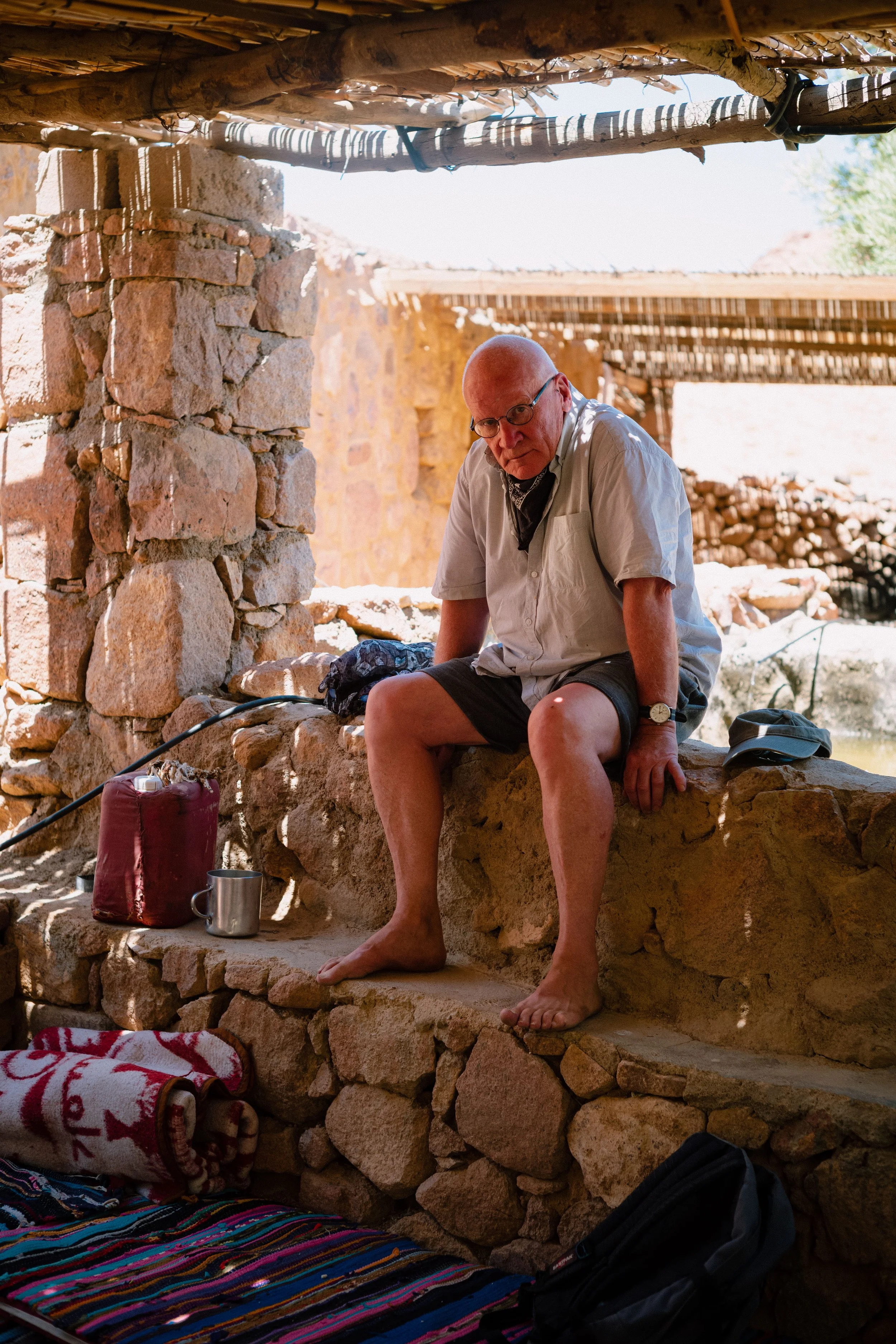
Satisfied with my learning in the morning, Mohammad decides for us to hit the trails that afternoon. I loaded Faraja with the same speed, and to the same high standards, that I was taught and assessed at.

[Mohammad’s son, leading the camels home after a long day of lessons.]
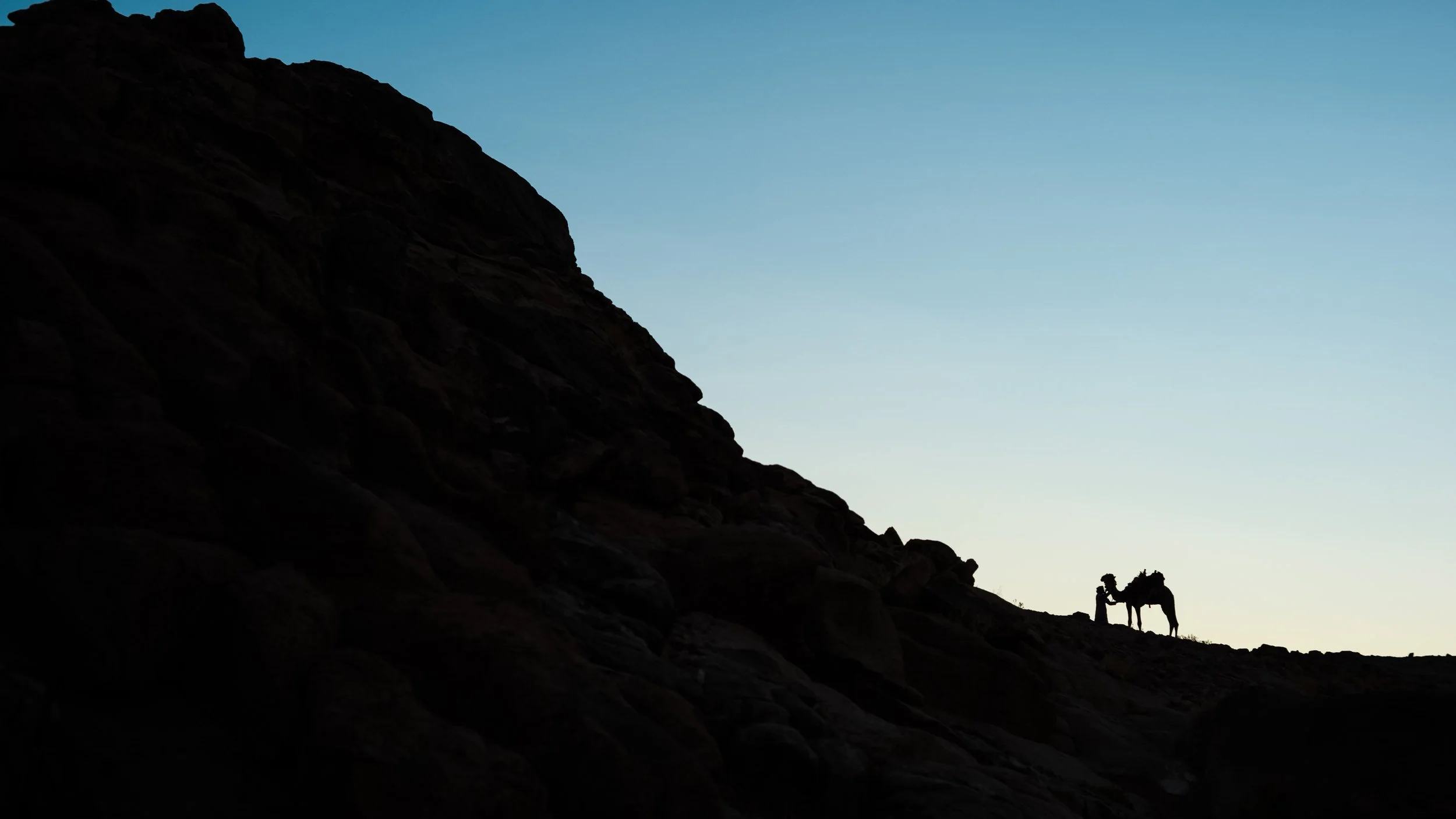
[Man’s best friend in the desert - their uncanny ability to see the path past sundown allows for more flexible schedules and safer travels.]
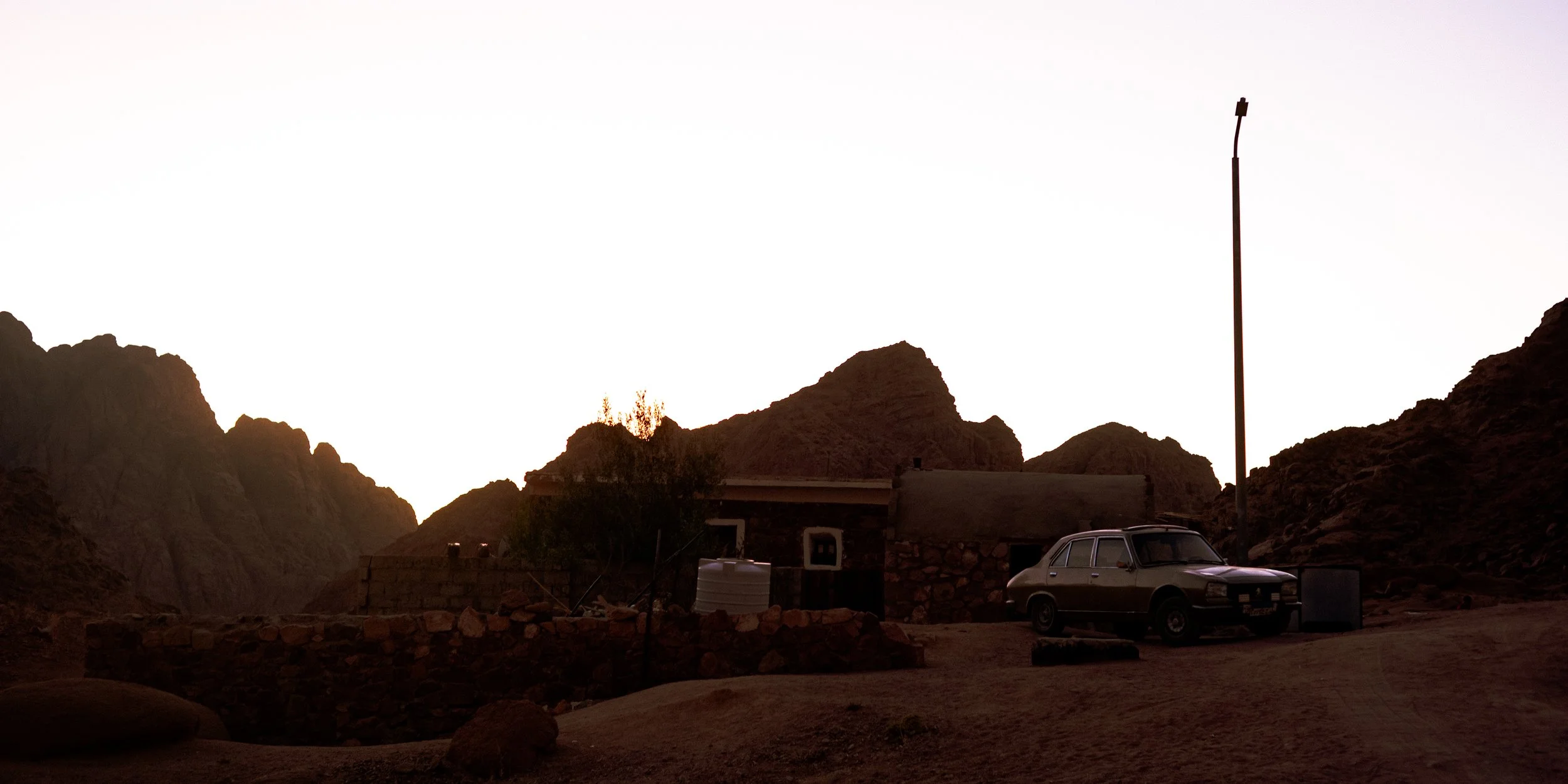
[Sunset on the outskirts of St. Katherine.]

Yalla Gaballeya - Egypt
“To second chances, egg bolognese, and the gamel school.”

The founder/director of Yalla Gaballeya and the CMA’s only foreign mountaineering instructor walk into a bar. They last met 5 years ago, respectively, as a high school physics teacher and a frustrating student.
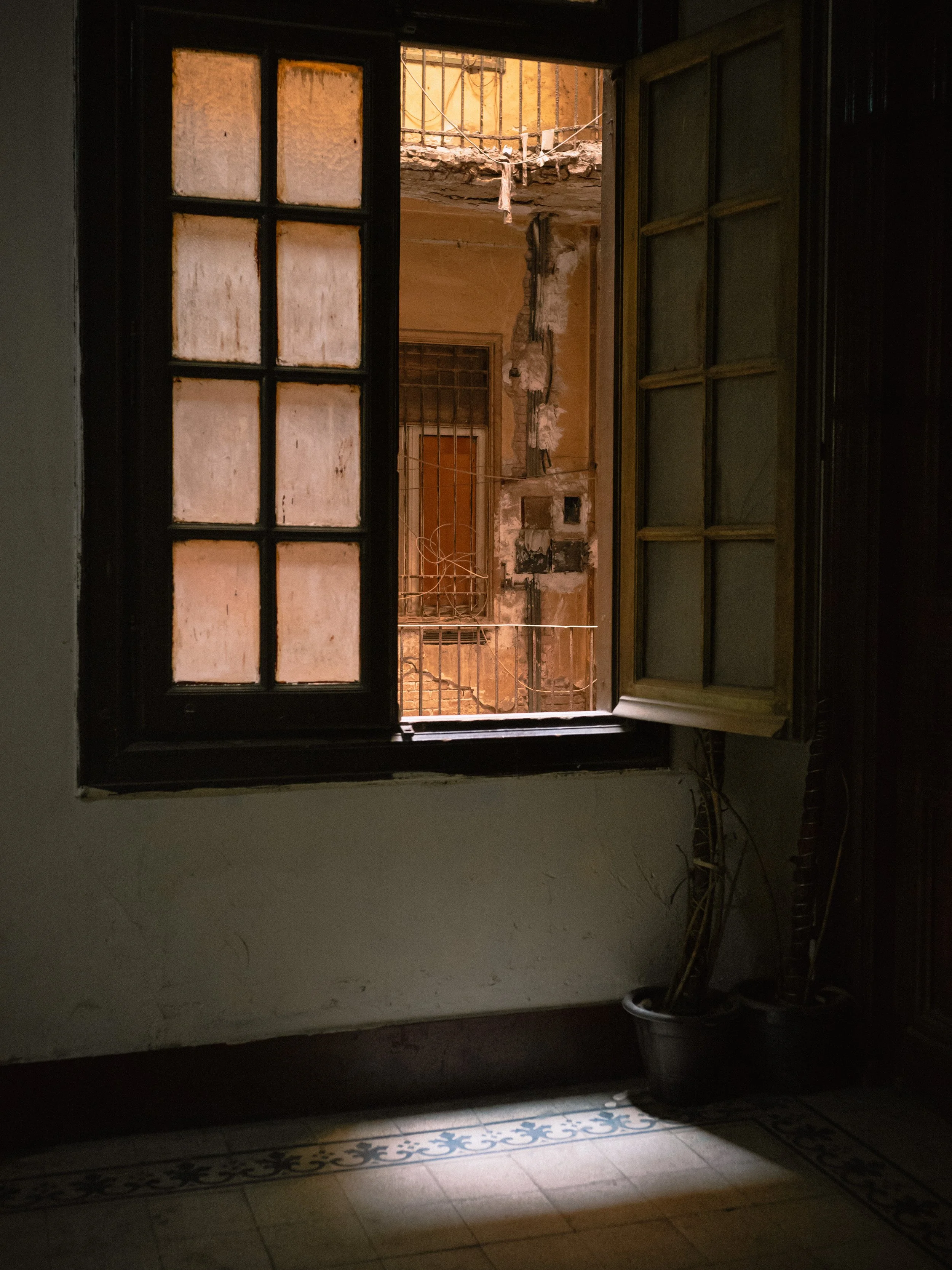
Gordon and I picked the Meramees hostel for our 3-day stay in Cairo. Its proximity to the El Horreya Cafe and other points of interest downtown allowed for an ease of exploration on foot.
We understood the importance of walking through a city - even when our objectives were elsewhere and far.
We are joined by Gordon’s friends, Michelle and Julio, for 2 days. Minarets in the distance act as waypoints - their unique tips make them well suited to the task, and double as friendly flags to their respective religions.
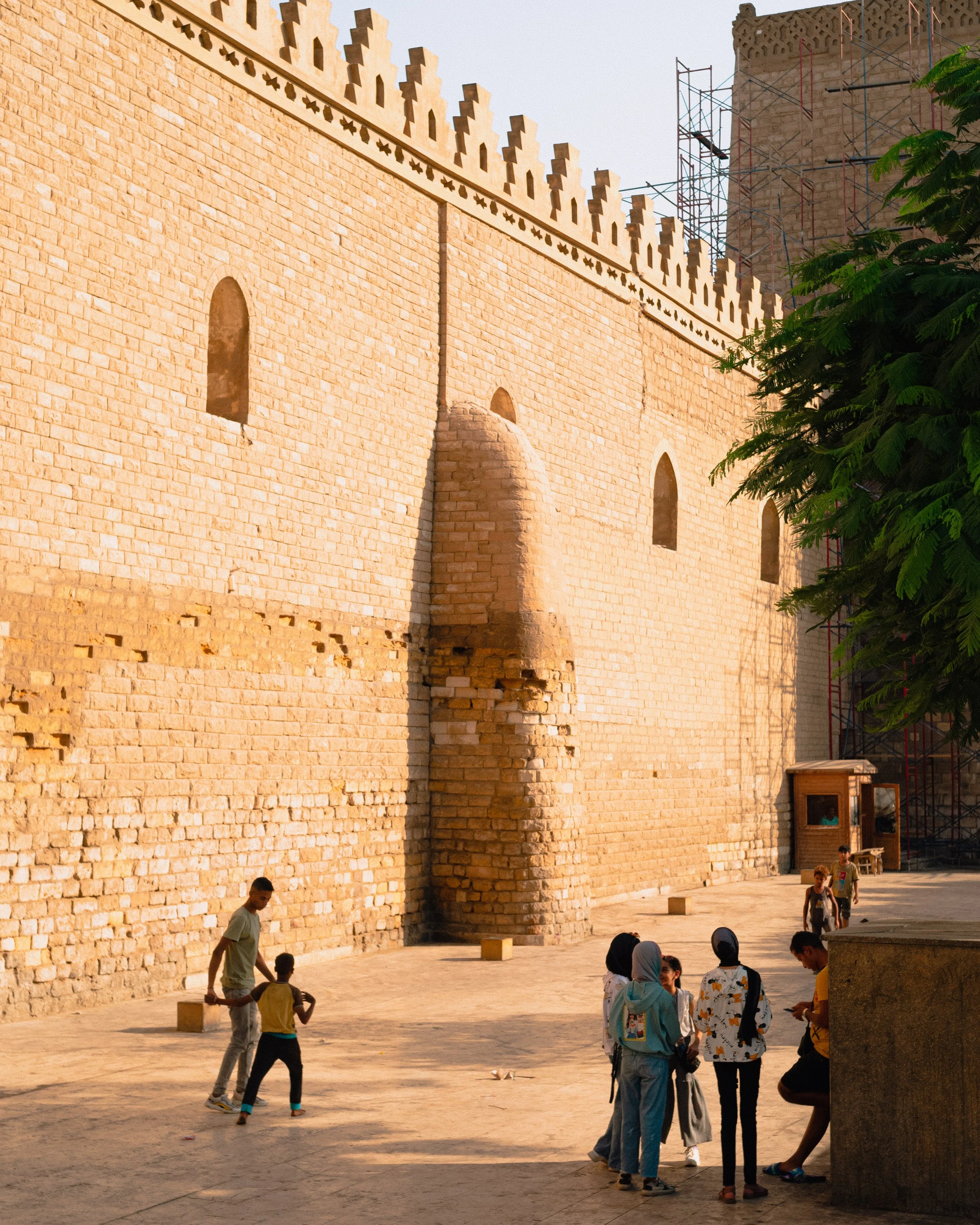
In some areas, the environment brims with a natural and childish enjoyment - but only whilst our presence is unregistered; The current state of Egyptian tourism segregates the tourist - and their money - from the people. The resulting starvation manifests in acts of “casual begging” from children - greeting and asking for tips in a single swoop.
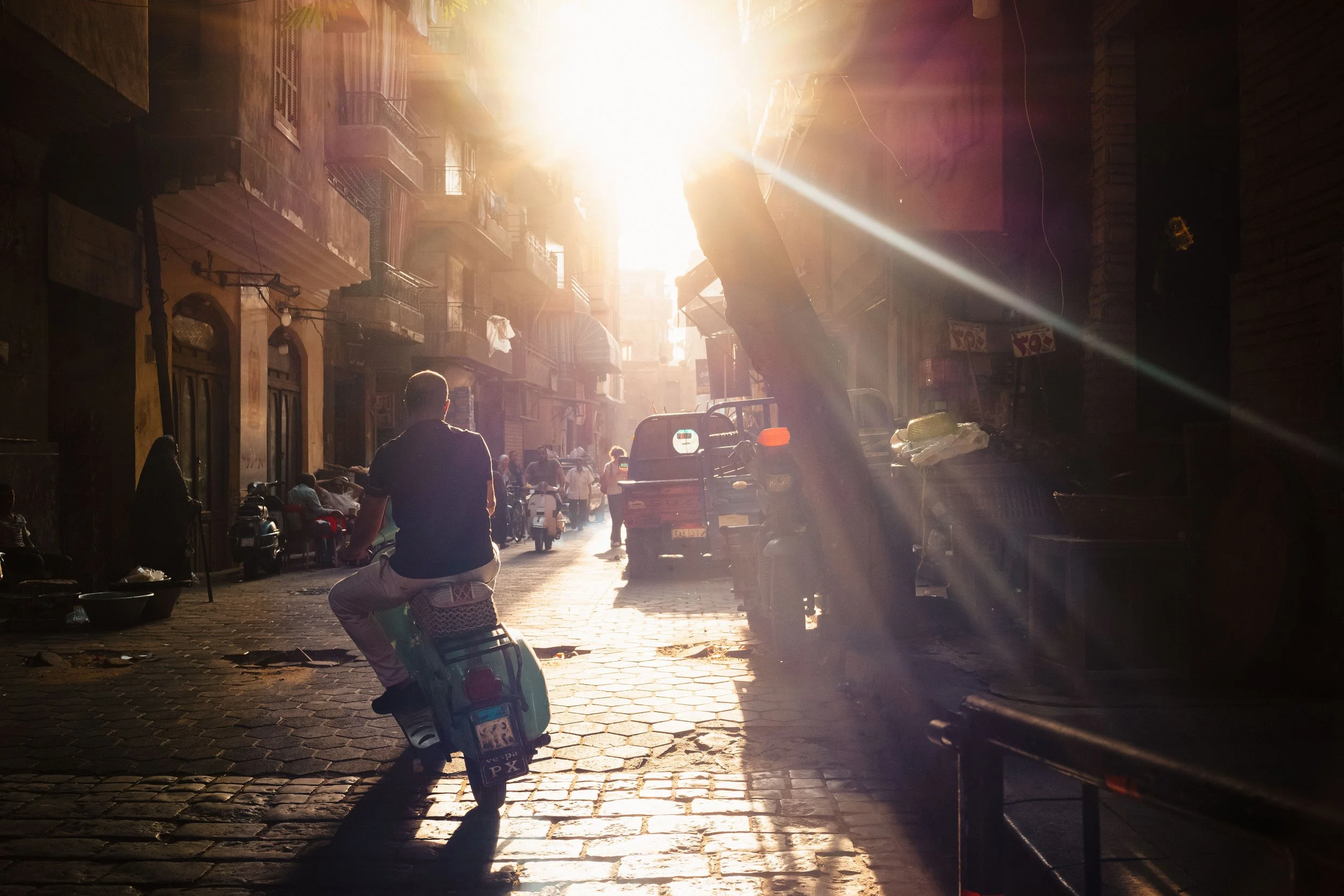
Feeling a fatigue from the gaze of locals, high and low, we remove our shoes and duck into a mosque.
Each mosque was a haven from the streets - for rest, studies, or prayers - and each entrance hall as soothing as hypnosis.
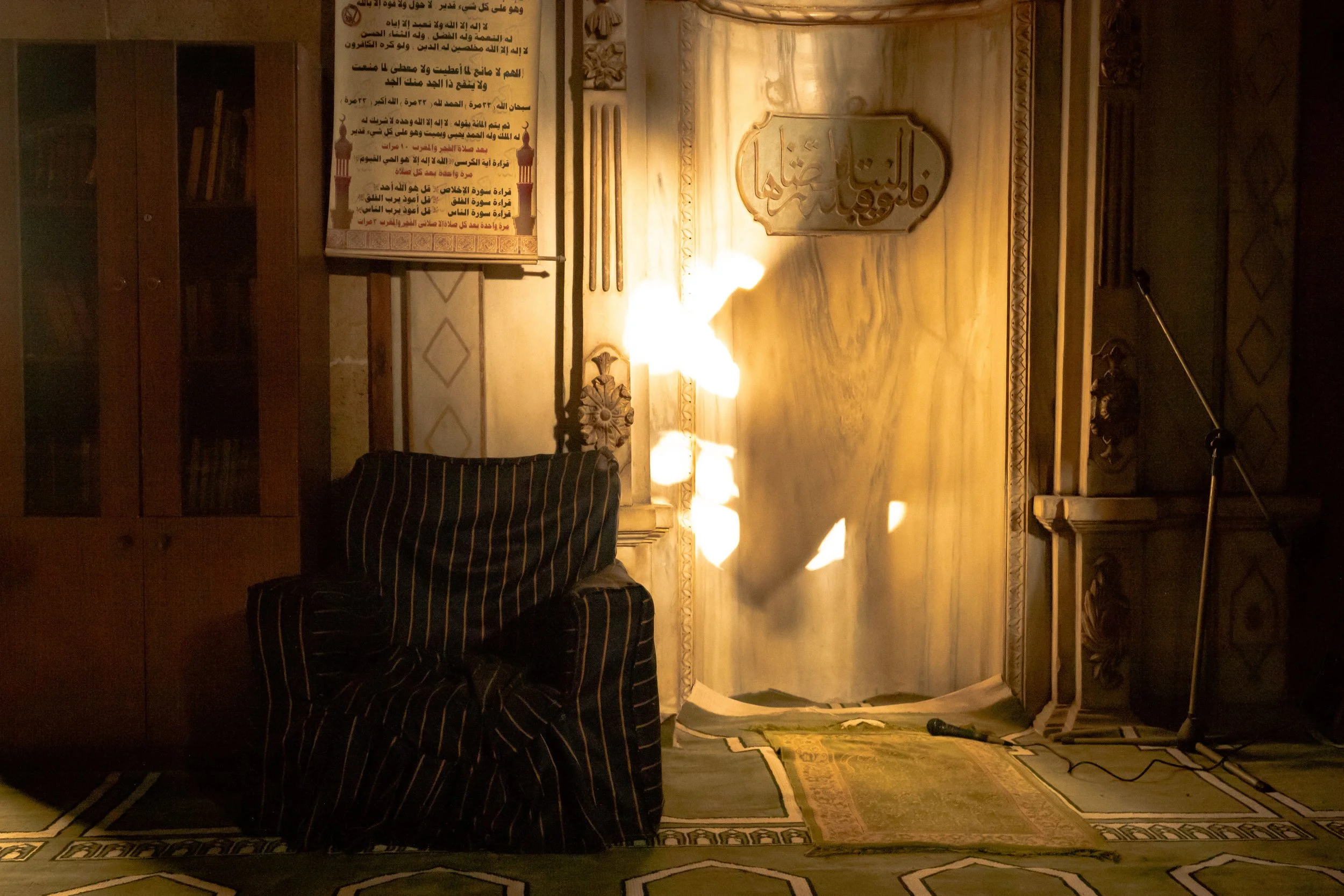
Mihrab - The wall that indicates the direction of the Kaaba in Mecca.
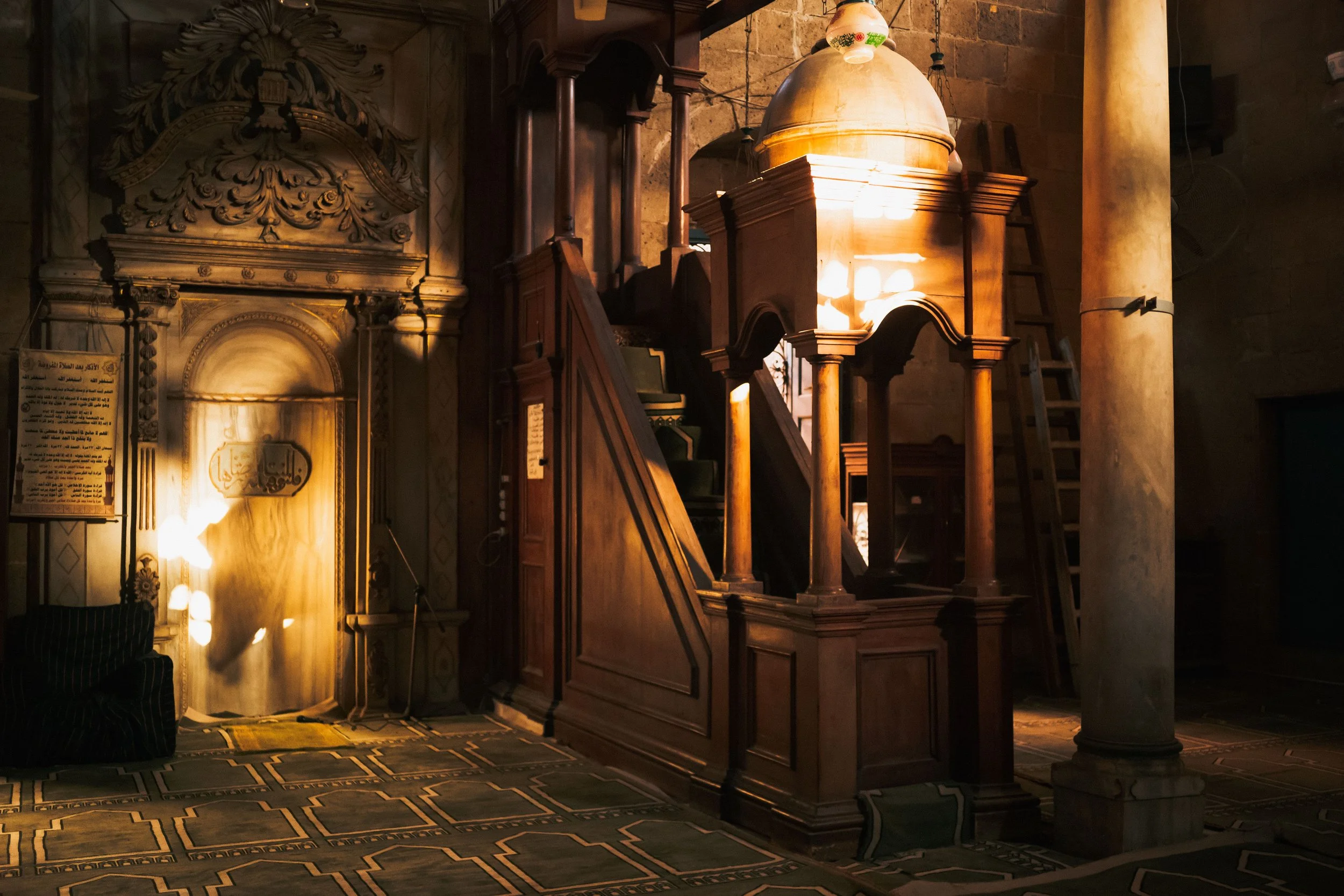

On the bottom left, taps to ablute onself before prayer. Some mosques retain a fountain in its square, but fewer still are functional - washrooms are preferred.
Mosques host students of the Quran as well, many of whom have travelled from Indonesia or the Philippines. On these grounds, at these times, agnostics and muslims alike share an appreciation for the serenity.
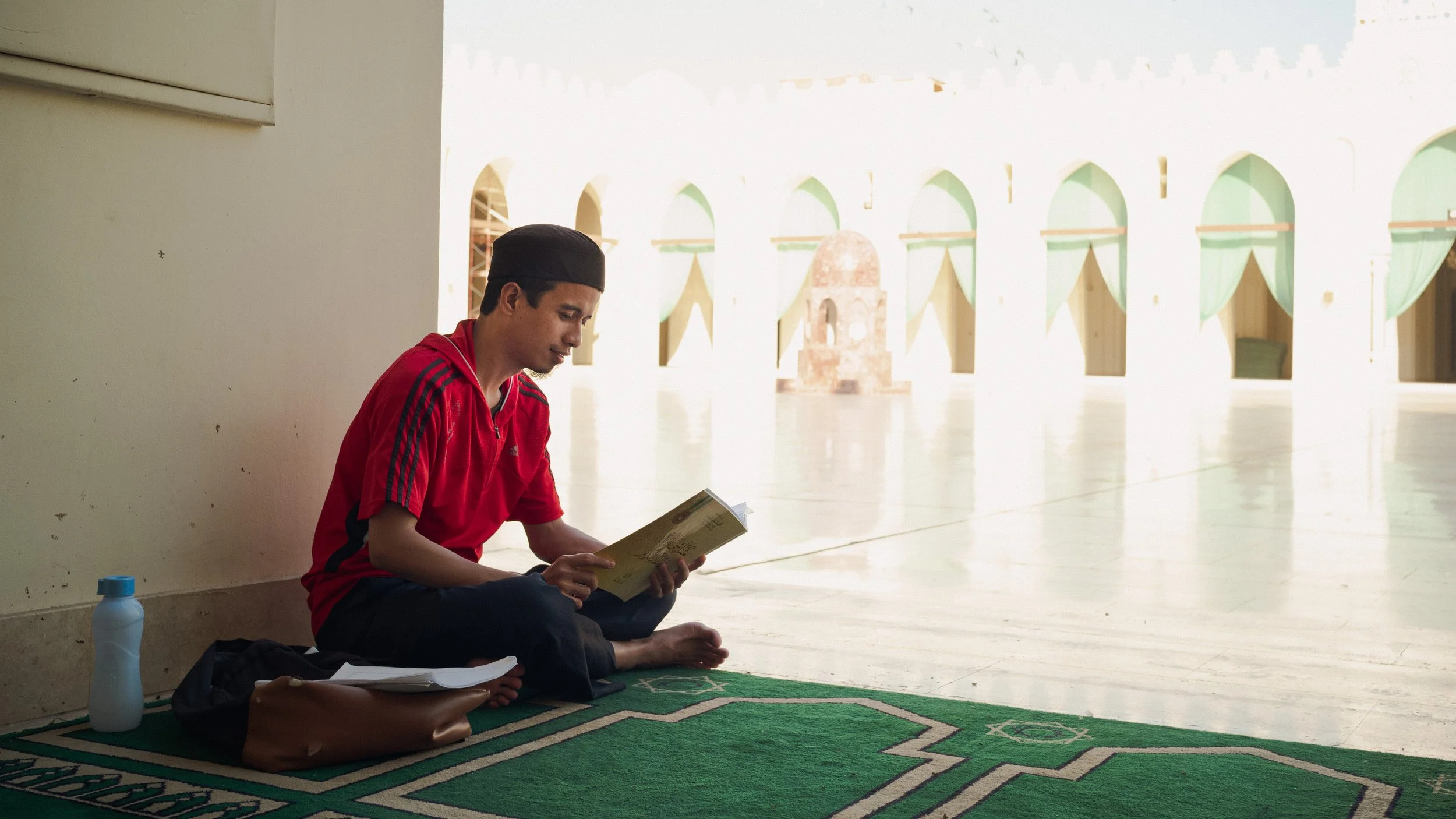
Rifqi, an Indonesian student of the Quran.
As the sun sets, and at Gordon’s insistence that we navigate, instead of … using a map, we are: lost.
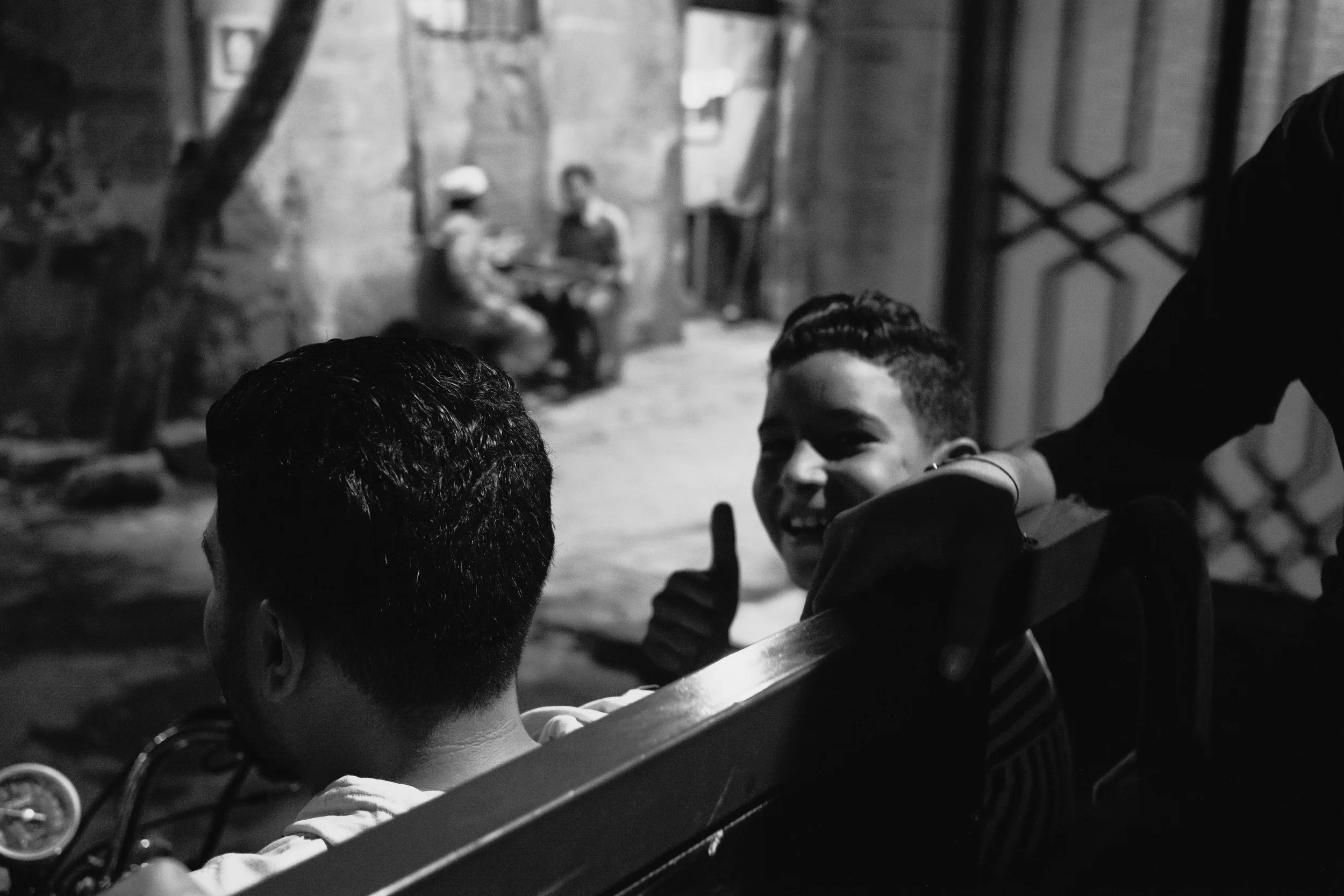
Learning the local dialect beforehand has been an invaluable task in my past travels. I did not do that this time, but nothing would change if I did.
Gordon approaches a group of young adults gathered around a tuk tuk and asks for directions. A conversation ensues in Arabic, and Gordon nods.
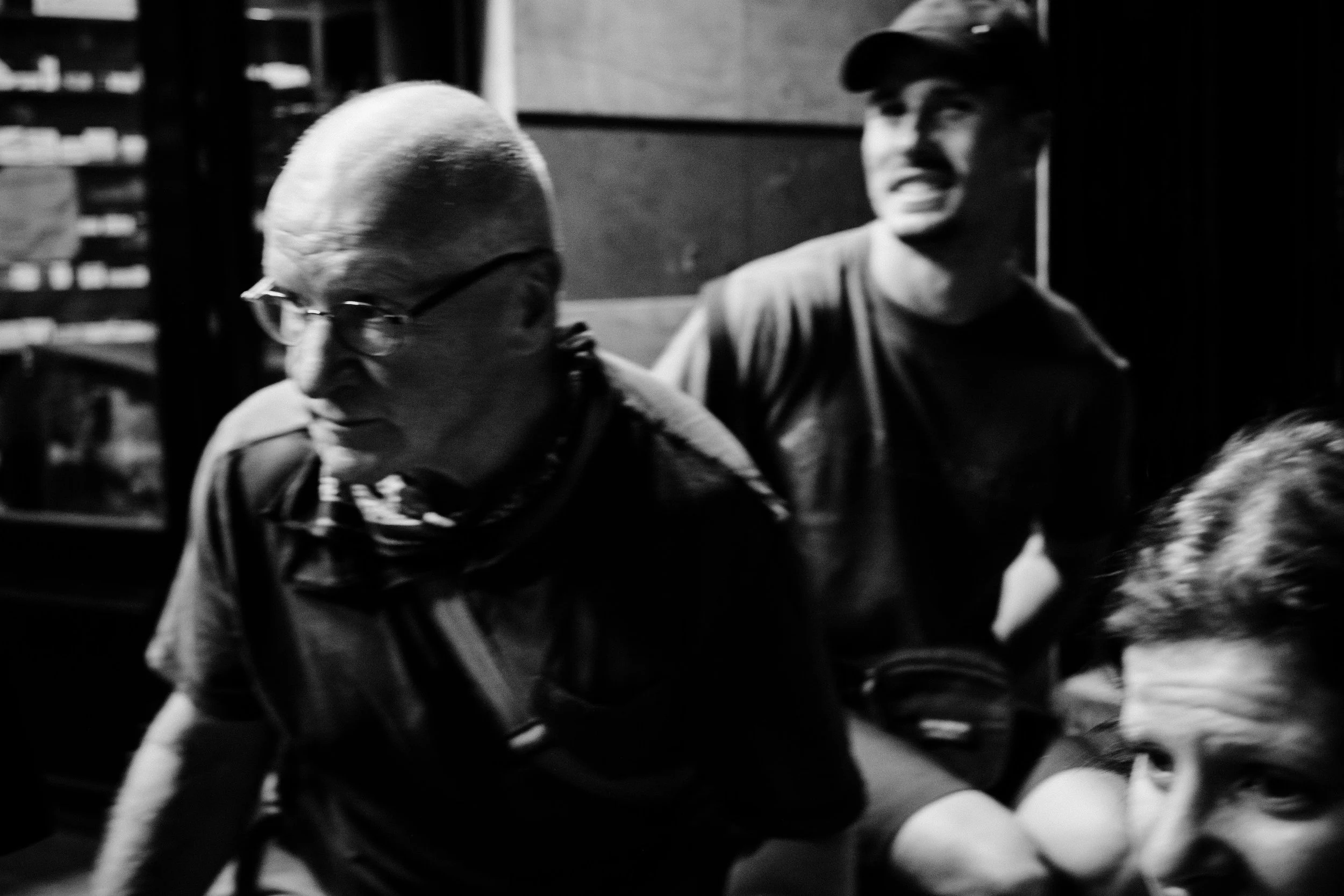
Photo submitted to a machine learning database for the emotions [panic] [anxiety] [fear] [regret] [regret] [regret] [regret].
“Hop on”, Gordon says.
With a sudden jolt, the tuk tuk springs to life. Our driver threads the bustling maze of a downtown after dark - each turn sudden, each junction disorientating, and each obstacle cleared by only centimeters.
We arrive at dinner just fine. I thought it was pretty mild.
(It was not mild. It was like a carnival pirate ship blew its bearings and threaded 300 disney castles in succession. The ride was a looney-toons rendition of the phrase “high velocity - low drag”. There’s Dominic Toretto, then there’s a bigger fish - our tuk tuk driver. We went through the streets so fast even collision wasn’t rendered on the NPCs we must’ve hit. The experience could just have easily been a teachable moment, but now what it teaches is questionable. )
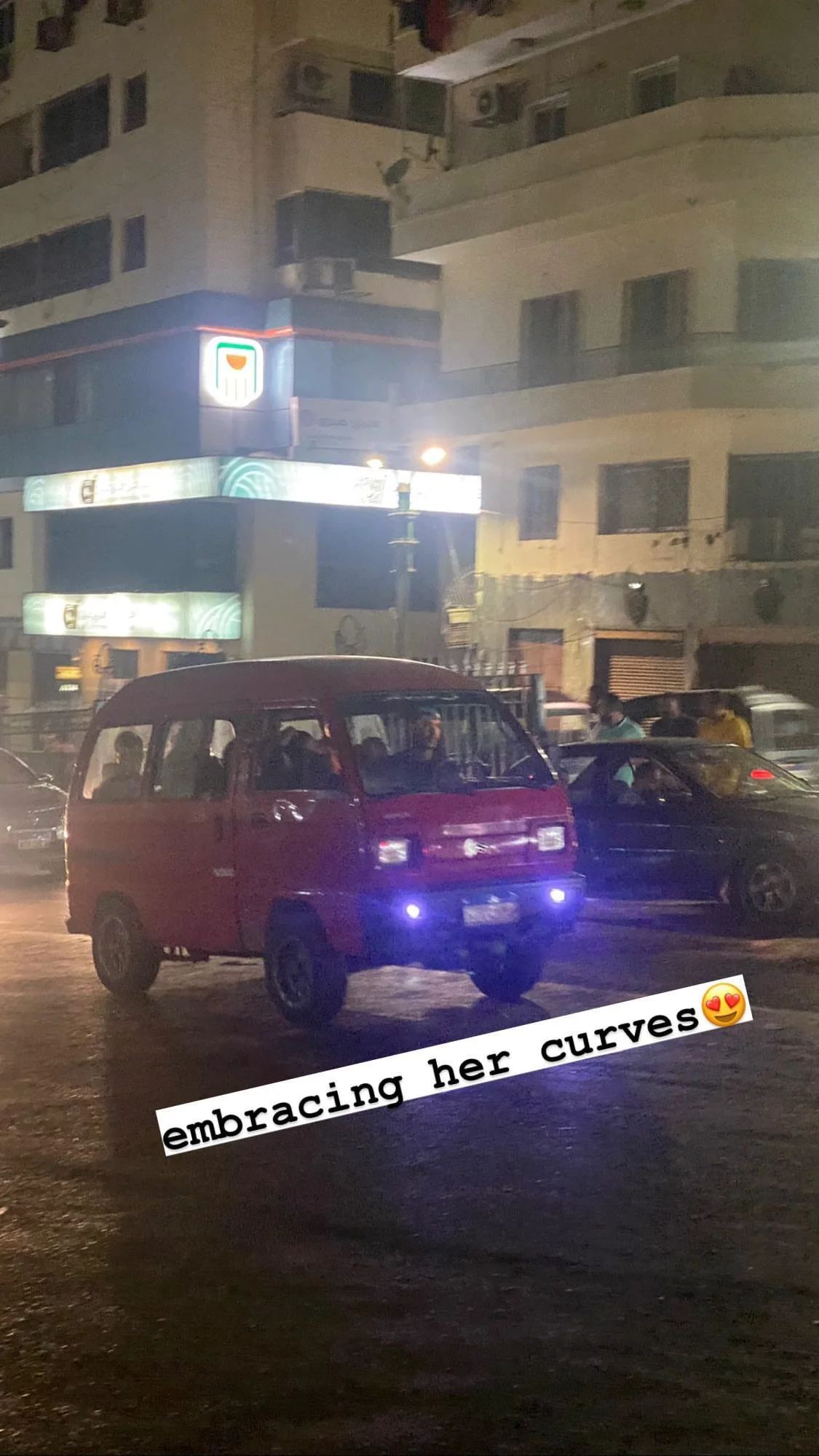
Never seen a beauty like you before.
And never seen a beauty like you since.
Photos and Writing by: Feilian Du

Kuĉ by Car - Iran
“Khaste Del Naboshiid”
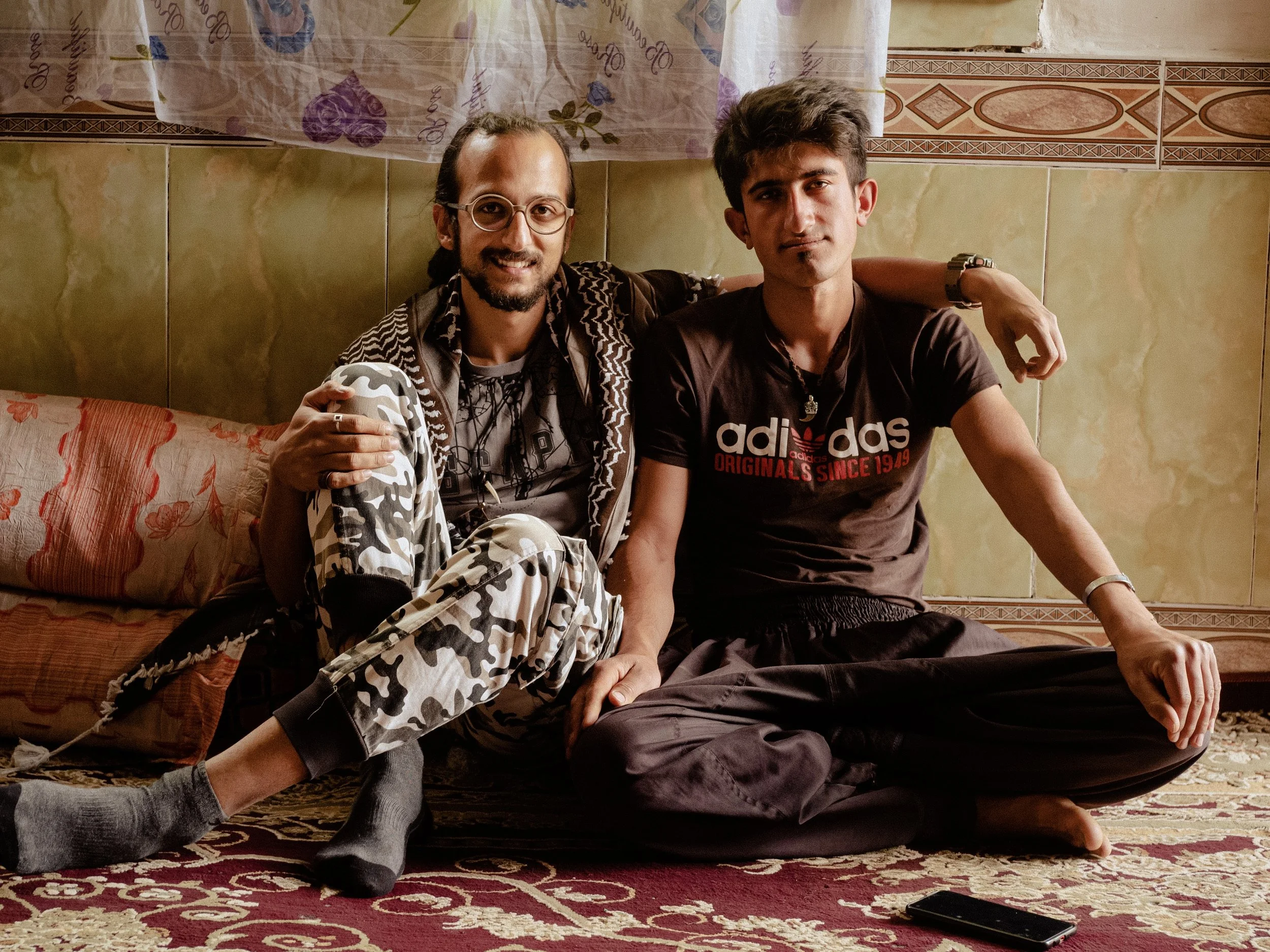
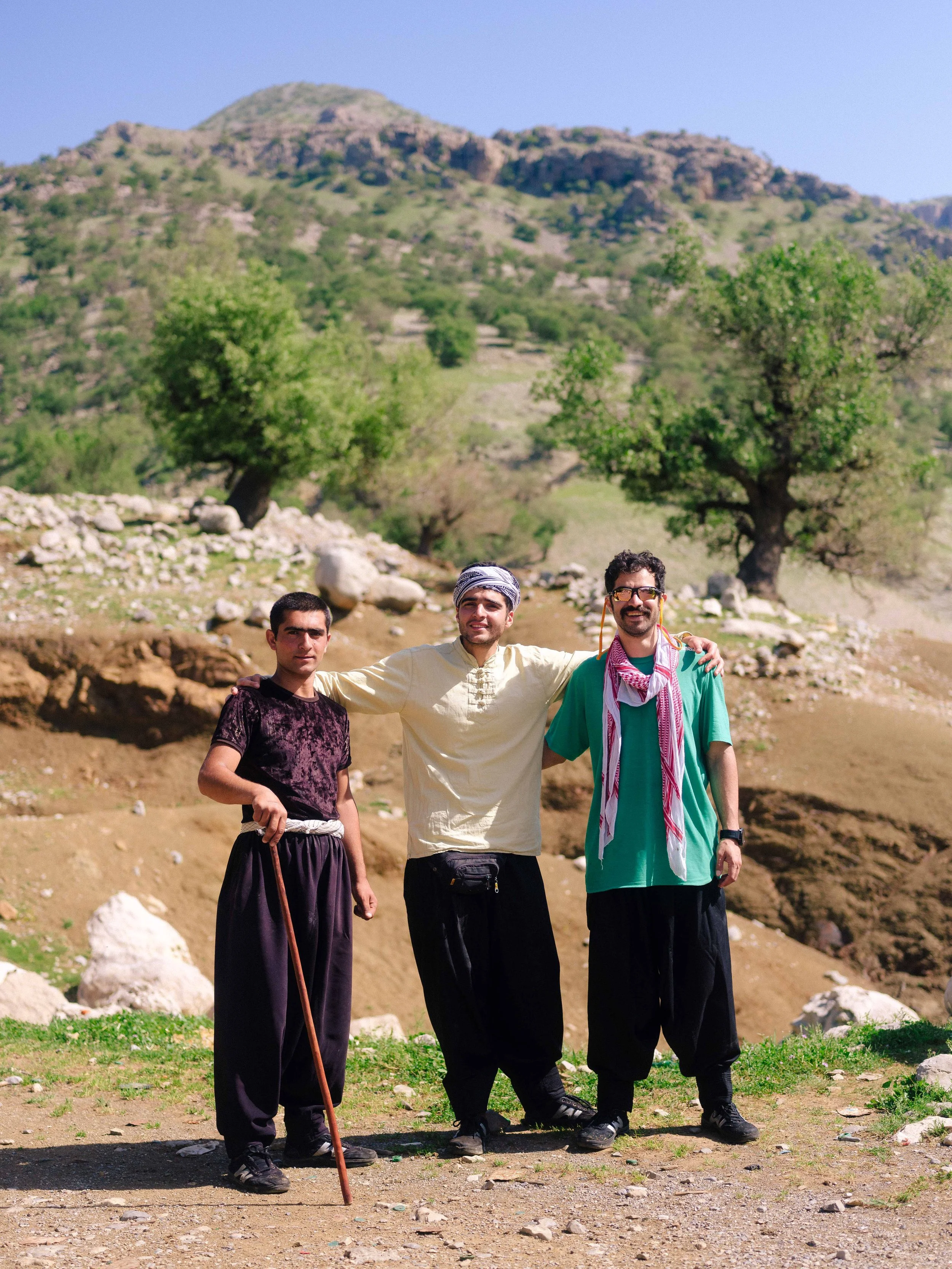
Saman and Saman - unrelated by blood, but sharing a name and age. Saman, on the left, grew up in Tehran and works with cryptocurrency. Saman, on the right, is part of the Bakhtiari tribe, growing up in the Zagros mountain range.
The difference between them struck me - in the comfort with the terrain, and social mannerisms.
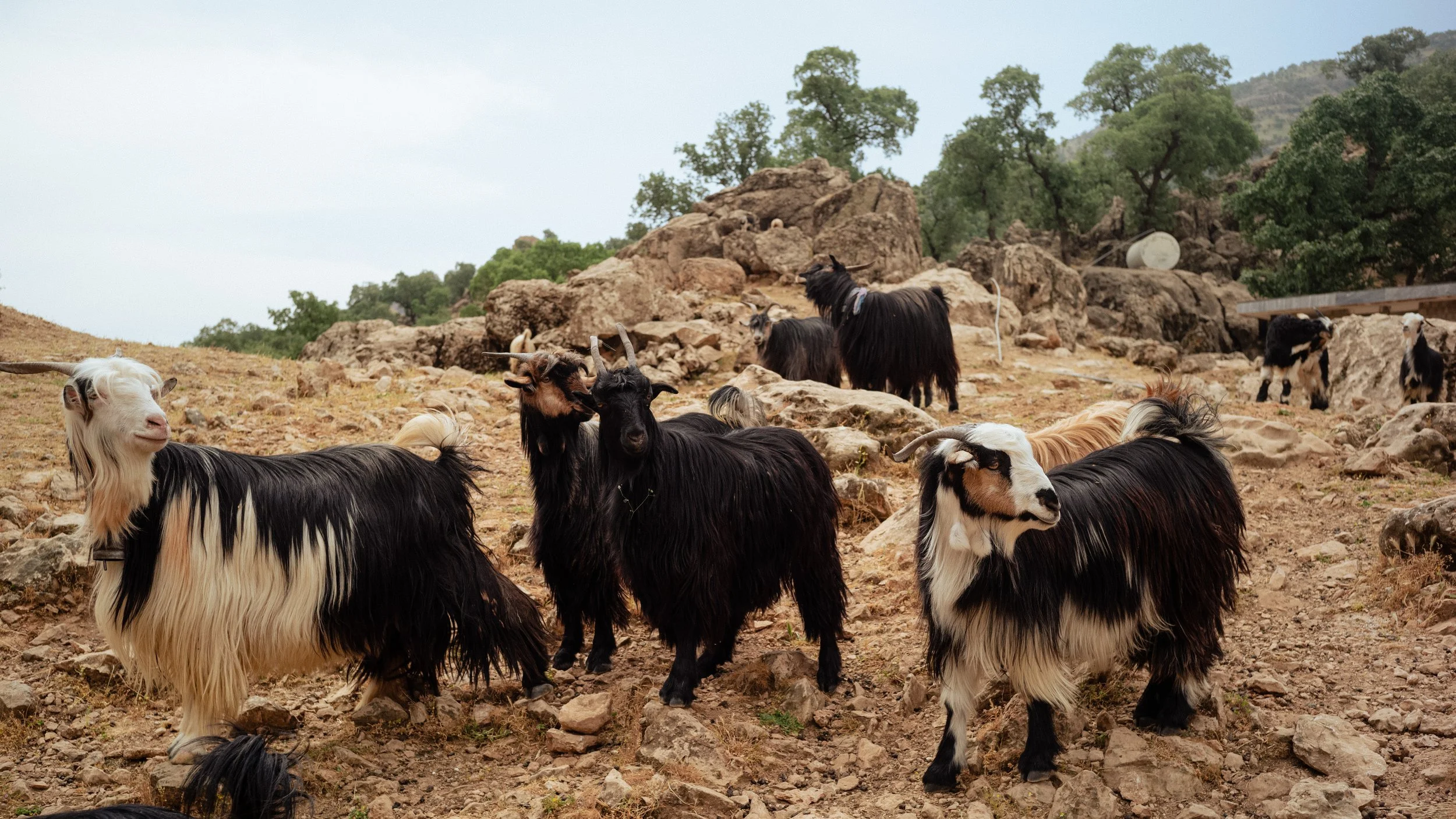
The Bakhtiari are the last true nomads of the world, migrating between their winter and summer pastures twice a year. This journey is called the Kuĉ (kooch).
New roads were laid in the past 2 years, along migratory routes, commissioned by the Iranian Government.
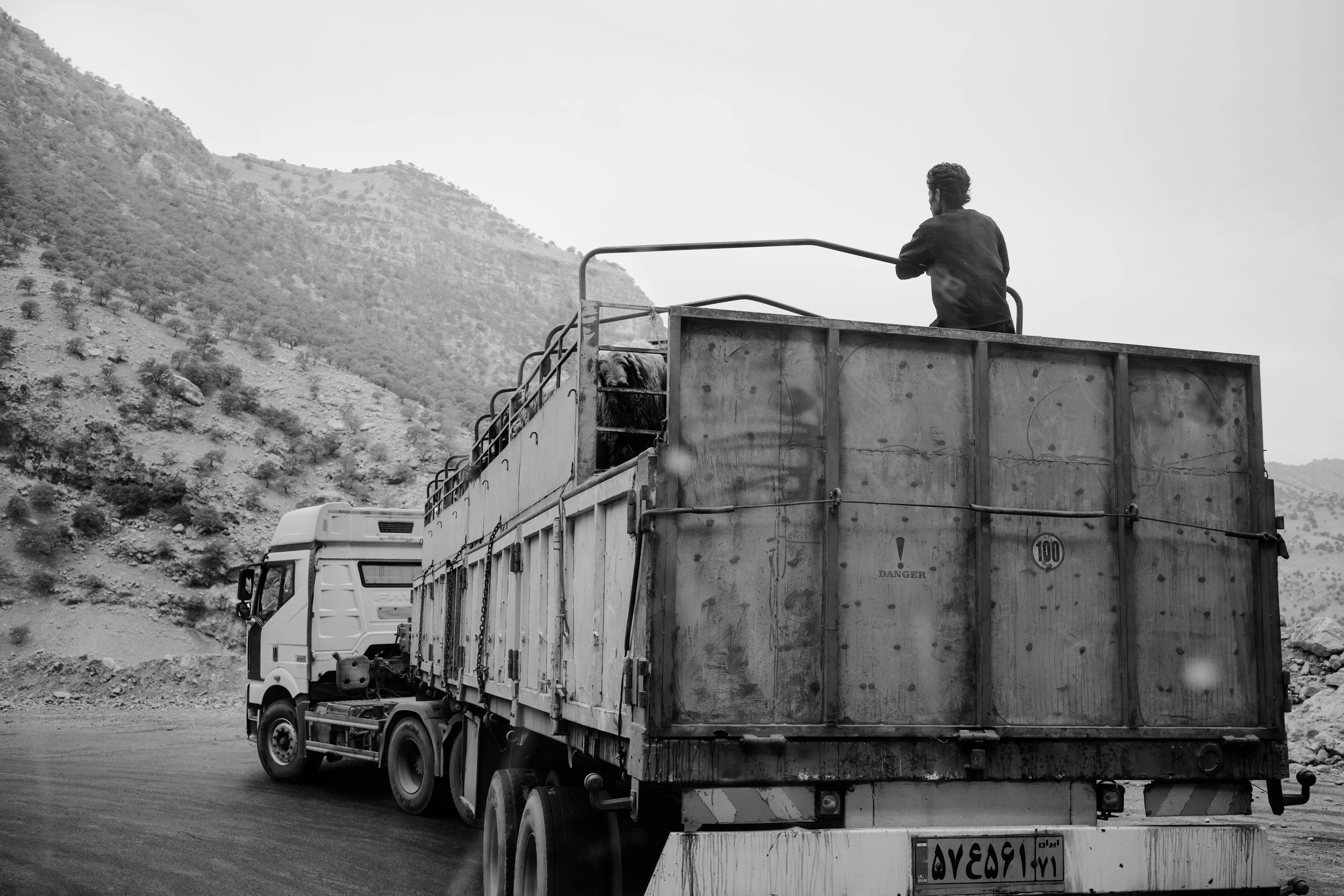
The traditionalists brave the footpaths, and often, the lack of them. The wealthy embrace 10-wheelers for their flock.
Both, however, reap the benefits of new asphalt laid across old migratory routes.
And both face a government cautious of their lack of dependence and mercurial nature.